


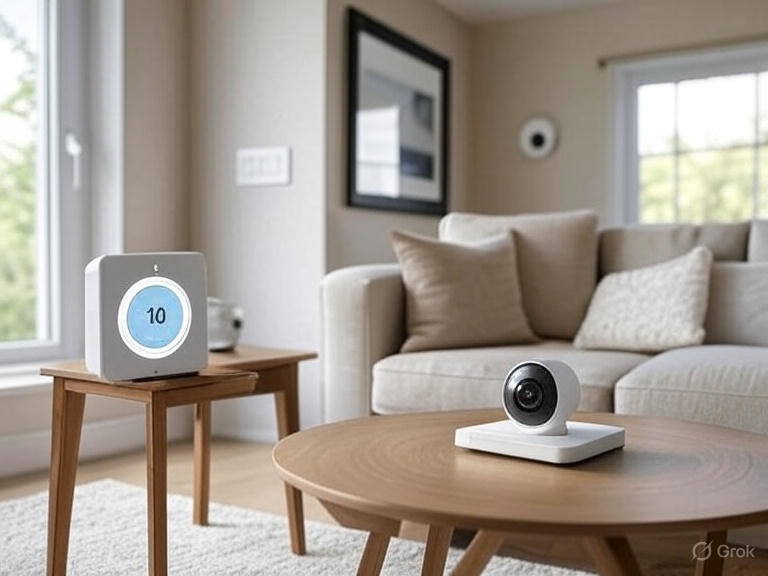
2025 Home Design Secrets – Part 1: Foundations of Modern Home Design
Introduction: Why 2025 Is a Revolutionary Year for Home Design
2025 marks a turning point in the way we approach our living spaces. Gone are the days when home design was purely about aesthetics or functionality. Today, it’s about harmony, sustainability, smart technology, and personalized comfort. Modern homeowners seek spaces that reflect their identity, improve well-being, and integrate seamlessly with evolving lifestyles. This guide unveils the expert secrets that will define home design in 2025, helping you transform any space into a haven of style, efficiency, and innovation.
The Key Principles of Modern Home Design
Understanding the foundational principles is crucial before diving into room-specific designs. Modern home design in 2025 emphasizes:
-
Balance and Harmony
-
Symmetry in furniture placement, proportional layouts, and cohesive color palettes.
-
Mixing textures like wood, metal, and soft fabrics to create visual depth.
-
Creating spaces that feel naturally comfortable while remaining stylish.
-
-
Functionality with Aesthetic Appeal
-
Furniture and décor should serve dual purposes without compromising beauty.
-
Open shelving, multipurpose furniture, and hidden storage are essential.
-
-
Personalization
-
2025 homeowners demand spaces that tell a story—through art, family memories, or bespoke furniture.
-
Custom design elements like modular furniture, adaptive lighting, and personalized color schemes are trending.
-
Color and Material Trends in 2025
Color and material selection can make or break a space. For 2025, experts recommend:
-
Colors:
-
Soft neutrals like beige, taupe, and warm grays dominate.
-
Accents of deep emerald, navy blue, and terracotta add sophistication.
-
Biophilic colors like sage green and clay red connect interiors to nature.
-
-
Materials:
-
Sustainable woods: Bamboo, reclaimed oak, and walnut are preferred.
-
Recycled metals: Brass, bronze, and steel with matte finishes.
-
Smart surfaces: Waterproof, anti-bacterial, and eco-friendly countertops and flooring.
-
Table 1: Popular 2025 Materials and Their Benefits
| Material | Pros | Ideal Use |
|---|---|---|
| Bamboo Wood | Sustainable, durable, lightweight | Flooring, furniture |
| Reclaimed Oak | Eco-friendly, rustic elegance | Cabinets, tables |
| Recycled Steel | Modern look, strong, recyclable | Fixtures, furniture frames |
| Quartz Surface | Low maintenance, anti-bacterial | Kitchen counters, bathroom tops |
| Cork Flooring | Sound-absorbing, natural insulation | Living rooms, bedrooms |
Space Planning: Maximizing Every Square Foot
2025’s home design focuses on efficient layouts that prioritize flow, openness, and multifunctionality:
-
Open Floor Plans:
-
Merge kitchen, dining, and living areas to create spacious, airy environments.
-
Use rugs, lighting, and furniture to define zones without walls.
-
-
Small Space Optimization:
-
Modular furniture and vertical storage solutions are key for apartments and compact homes.
-
Transformable rooms (e.g., home office/guest room combos) are trending.
-
-
Circulation and Flow:
-
Ensure pathways are clear, promoting easy movement and natural lighting access.
-
Table 2: Room Layout Tips for Optimal Flow
| Room Type | Key Tip | 2025 Trend Example |
|---|---|---|
| Living Room | Centralize seating, use flexible furniture | Modular sofas with hidden storage |
| Kitchen | Triangle layout (sink, fridge, stove) | Smart cabinets and pull-out shelves |
| Bedroom | Minimal furniture, calming palette | Platform beds, multifunction desks |
| Bathroom | Space-efficient fixtures | Floating vanities, wall storage |
Lighting Design: The Heartbeat of Modern Homes
Lighting defines ambiance, highlights design features, and affects mood:
-
Natural Light: Maximize through floor-to-ceiling windows, skylights, and glass doors.
-
Layered Lighting: Combine ambient, task, and accent lighting for functionality and style.
-
Smart Lighting:
-
IoT-enabled bulbs that adjust brightness and color temperature automatically.
-
Voice-controlled systems for convenience and energy efficiency.
-
Expert Tip: 2025 favors warm LED tones to create cozy, inviting atmospheres while reducing energy consumption.
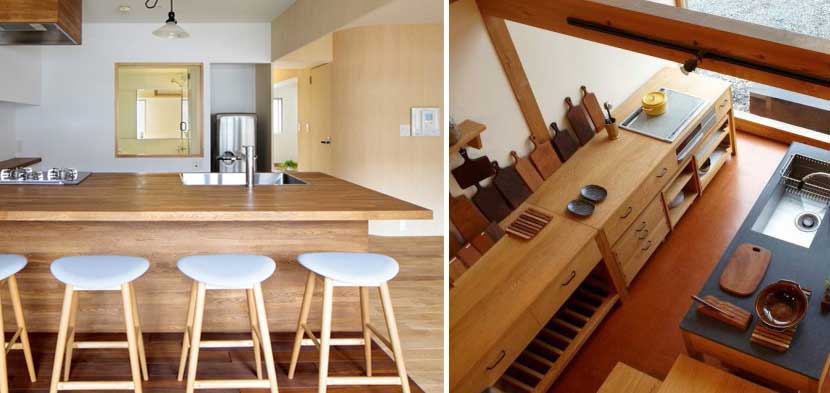
wood-as-main-material-in-influential-japanese-kitchens
Sustainable and Eco-Friendly Design Elements
Sustainability is no longer optional; it’s a design must-have in 2025:
-
Use low-VOC paints and eco-friendly finishes.
-
Incorporate energy-efficient appliances and water-saving fixtures.
-
Choose recycled, upcycled, or reclaimed materials wherever possible.
-
Biophilic elements like indoor plants and living walls improve air quality and aesthetic appeal.
Backlinks for Reference:
Conclusion of Part 1
The foundation of a modern, expert-level home in 2025 is balance, functionality, sustainability, and smart technology integration. Choosing the right colors, materials, layout, and lighting ensures that your home is not just beautiful but also efficient and future-proof.
Part 1 sets the stage for Part 2, where we will dive into room-by-room expert design secrets, covering living rooms, bedrooms, kitchens, bathrooms, and outdoor spaces with actionable tips, professional insights, and tables for practical application.
2025 Home Design Secrets – Part 2: Room-by-Room Expert Design Secrets
Introduction: Bringing Your Home to Life, One Room at a Time
After mastering the foundations of modern home design, it’s time to focus on each space individually. 2025 emphasizes personalized functionality, aesthetic coherence, and technological integration in every room. From the living room to the bedroom, kitchen, and even outdoor spaces, every corner should reflect style, efficiency, and comfort. This part reveals the expert secrets to elevate your home room by room.
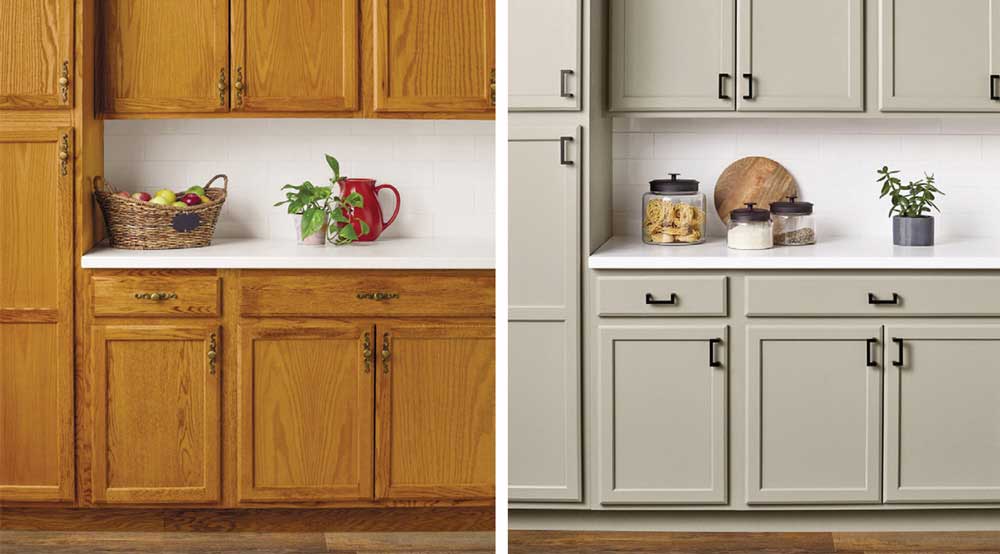
Mastering Kitchen Design: Space, Style, and Smart Appliances for Your Home
Living Room Secrets: Creating a Stylish and Functional Hub
The living room is the heart of your home—a space for relaxation, entertainment, and social gatherings.
Key Design Principles for 2025:
-
Flexible Furniture Layouts
-
Modular sofas, movable coffee tables, and lightweight chairs allow for easy reconfiguration.
-
Multifunctional furniture (storage ottomans, foldable desks) enhances utility without compromising style.
-
-
Focal Points and Statement Pieces
-
Eye-catching elements like a modern fireplace, bold wall art, or a designer rug create visual interest.
-
Keep balance: one statement per room avoids clutter.
-
-
Texture Layering
-
Mix soft fabrics, wood, metal, and stone to create tactile richness.
-
Throw pillows, rugs, and drapes are key accessories in 2025 design trends.
-
Table 1: Living Room Must-Have Features in 2025
| Feature | Benefit | Example/Trend |
|---|---|---|
| Modular Sofa | Flexible seating, storage potential | L-shaped with hidden compartments |
| Smart Lighting | Ambiance control, energy saving | IoT bulbs with dimming and color options |
| Accent Wall | Visual focus, style statement | Painted in deep emerald or terracotta |
| Area Rug | Defines zones, adds texture | Natural fiber or patterned rug |
Backlinks:
Bedroom Design: Combining Comfort and Aesthetics
The bedroom in 2025 focuses on serenity, sleep quality, and personalization.
Expert Tips:
-
Neutral and Calming Color Palettes
-
Soft shades like warm gray, beige, or muted greens improve sleep quality.
-
-
Furniture Choices
-
Platform beds with built-in storage optimize space.
-
Floating nightstands create a minimalist, airy feel.
-
-
Lighting
-
Layered lighting: ambient (ceiling), task (reading lamps), accent (wall sconces).
-
Smart lights that adjust brightness and color temperature help regulate circadian rhythms.
-
Table 2: Bedroom Essentials for 2025
| Element | Purpose | Trend/Example |
|---|---|---|
| Platform Bed | Minimalist design, storage | Wood or upholstered frame |
| Smart Blinds | Privacy and light control | Automated with timers or apps |
| Accent Wall | Adds personality | Wallpaper or textured panel |
| Indoor Plants | Biophilic element, air purification | Small potted or hanging greenery |
Kitchen & Dining: Smart, Stylish, and Practical
Kitchens in 2025 are functional, tech-friendly, and visually appealing.
Key Expert Insights:
-
Efficient Layouts
-
Triangle layout (sink, fridge, stove) for optimal workflow.
-
Island or peninsula designs for added prep space and social interaction.
-
-
Materials & Surfaces
-
Quartz, recycled stone, and anti-bacterial surfaces for durability and hygiene.
-
Matte finishes on cabinets and metallic accents are trending.
-
-
Smart Kitchen Technology
-
IoT-enabled appliances: refrigerators, ovens, and coffee machines that can be controlled via apps.
-
Sensor faucets and motion-activated lights improve convenience and hygiene.
-
Table 3: 2025 Kitchen Essentials
| Feature | Benefit | Example/Trend |
|---|---|---|
| Quartz Countertops | Durable, low-maintenance | Light neutral tones |
| Modular Storage | Maximize space, declutter | Pull-out shelves, hidden compartments |
| Smart Appliances | Convenience, energy efficiency | Wi-Fi-enabled ovens, fridges |
| LED Under-Cabinet Lighting | Task lighting, ambiance | Adjustable color temperature |
Backlinks:
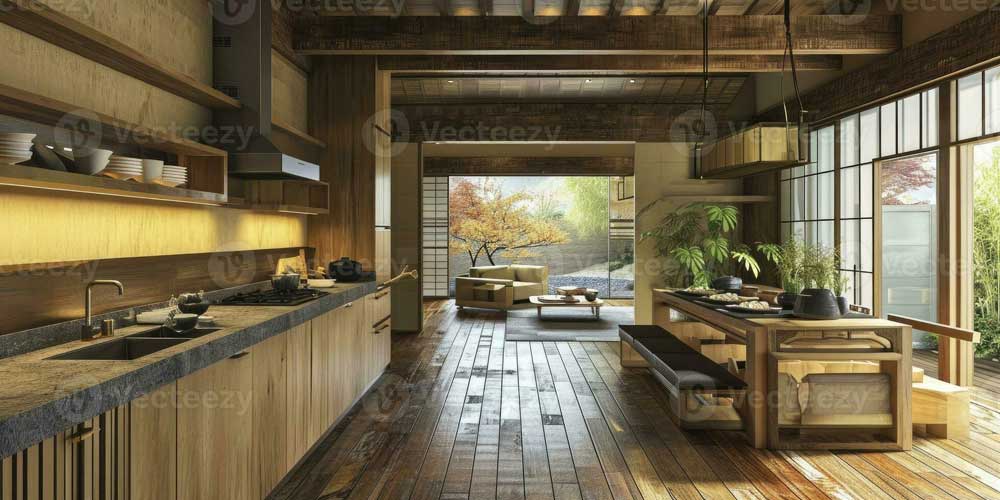
ai-generated-japanese-style-kitchen-interior-photo-(2)
Bathroom & Laundry Design: Luxury Meets Practicality
Bathrooms and laundry rooms are increasingly focused on comfort, aesthetics, and efficiency.
Design Secrets for 2025:
-
Floating Vanities
-
Create a sense of space, allow easy cleaning, and modern appeal.
-
-
Shower & Bathtub Trends
-
Walk-in showers with frameless glass and rainfall showerheads.
-
Minimalist soaking tubs for relaxation.
-
-
Laundry Integration
-
Stackable machines, foldable ironing stations, and smart washers reduce clutter.
-
Table 4: Bathroom & Laundry Trends 2025
| Feature | Benefit | Trend/Example |
|---|---|---|
| Floating Vanity | Space optimization, modern look | Wood or stone finish |
| Frameless Shower | Clean aesthetic, luxurious feel | Glass panels, rainfall showerhead |
| Smart Washer & Dryer | Energy efficiency, app control | Wi-Fi-enabled, auto detergent dispenser |
| Biophilic Elements | Relaxing environment, air quality | Indoor plants, natural stone tiles |
Backlinks:
Outdoor & Garden Spaces: Extending Your Living Area
Outdoor living is no longer optional; it’s an extension of your home’s style and functionality.
Key Principles:
-
Landscape Design
-
Native plants for sustainability.
-
Hardscape vs softscape balance: patios, decks, and garden beds.
-
-
Outdoor Furniture
-
Modular, weather-resistant, and multifunctional.
-
-
Lighting & Ambiance
-
Solar LED lights, string lights, and spotlights highlight pathways and features.
-
Expert Tip: Outdoor spaces in 2025 favor biophilic design, blending nature with modern aesthetics for maximum relaxation and visual harmony.
Table 5: Outdoor Design Essentials 2025
| Feature | Benefit | Trend/Example |
|---|---|---|
| Modular Patio Furniture | Flexibility, durability | Weatherproof wicker or aluminum sets |
| Native Plant Landscaping | Low maintenance, eco-friendly | Lavender, ornamental grasses |
| Solar LED Lighting | Sustainability, ambiance | Pathway lights, garden spotlights |
| Outdoor Dining Area | Social gatherings, functional space | Foldable tables, compact seating |
Backlinks:
Conclusion of Part 2
Part 2 has dissected each major area of the home, revealing expert strategies, trends, and practical tips for 2025. From living rooms and bedrooms to kitchens, bathrooms, and outdoor spaces, applying these principles ensures a home that is functional, stylish, and forward-thinking.
Part 3 will cover implementation, technology integration, sustainability, décor accessories, common mistakes, FAQ, and a full home makeover guide to complete your 2025 home transformation.
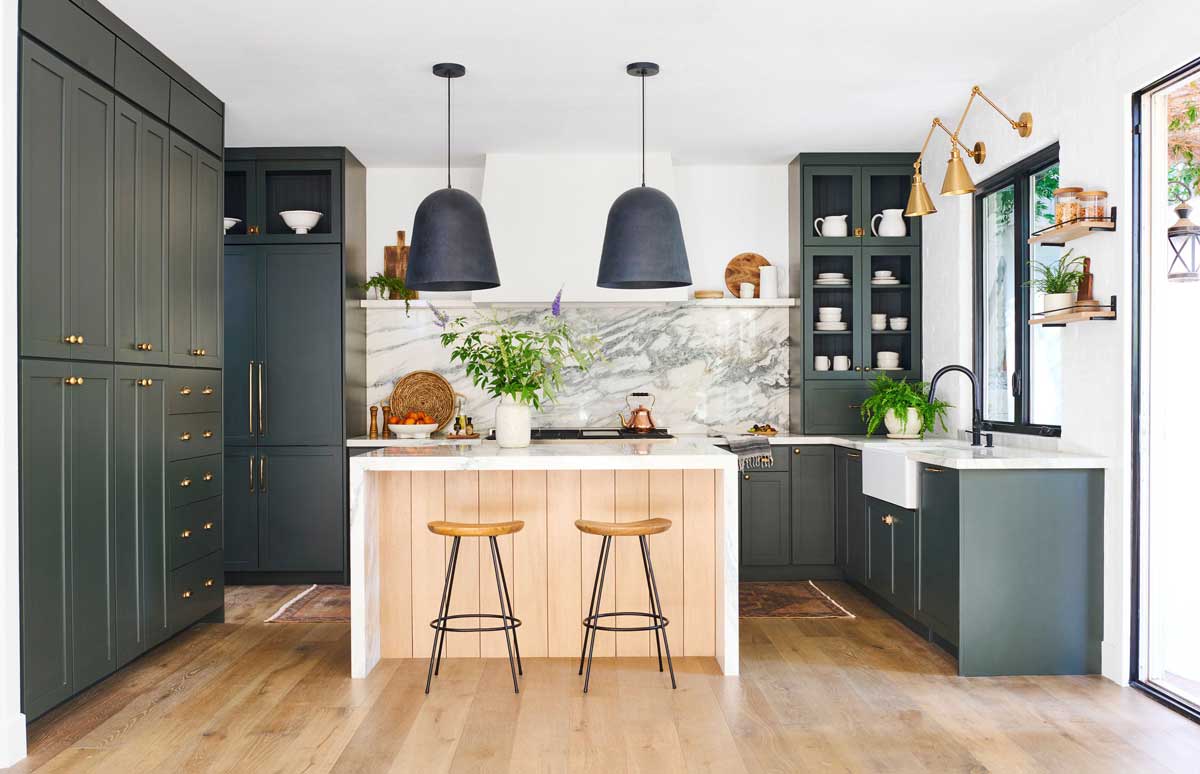
Home Decor & Design – Kitchen and Dining room
2025 Home Design Secrets – Part 3: Implementation, Trends, and Expert Tips
Introduction: Turning Design Knowledge into Action
After exploring the foundations and room-specific strategies in Parts 1 and 2, Part 3 focuses on how to bring your home vision to life in 2025. We cover technology, sustainability, décor, common mistakes, and a comprehensive home makeover guide. This ensures your living space is not just stylish but efficient, future-proof, and deeply personalized.
Technology in Home Design: Smart Homes Made Simple
Modern homes in 2025 are highly connected, automated, and energy-efficient.
Key Innovations:
-
Smart Lighting
-
IoT-enabled bulbs adjust brightness, color, and schedule automatically.
-
Voice commands and app controls allow easy customization.
-
-
Smart Climate Control
-
Thermostats and HVAC systems learn your routine, optimize energy use, and maintain comfort.
-
Integration with apps for remote control.
-
-
Security and Automation
-
Cameras, motion sensors, and smart locks improve safety.
-
Automated curtains, doors, and appliances enhance convenience.
-
-
Integrated Entertainment
-
Multi-room audio systems and smart TVs with centralized control.
-
Streaming and home theater integration for immersive experiences.
-
Backlinks:
Sustainability & Eco-Friendly Design
Sustainable design in 2025 is both stylish and practical, making your home energy-efficient and environmentally responsible.
Core Elements:
-
Energy-Efficient Appliances
-
Refrigerators, washers, and HVAC units with low energy consumption ratings.
-
-
Sustainable Materials
-
Reclaimed wood, recycled metals, and eco-friendly fabrics.
-
-
Water & Waste Management
-
Low-flow faucets, dual-flush toilets, and greywater recycling systems.
-
-
Indoor Plants & Biophilic Design
-
Improves air quality, reduces stress, and connects interiors to nature.
-
Table 1: Sustainable Design Features and Benefits
| Feature | Benefit | Example/Trend |
|---|---|---|
| Energy-Efficient Appliances | Reduce electricity use | Smart fridges, washers |
| Recycled Materials | Eco-friendly, stylish | Reclaimed wood furniture |
| Low-Flow Fixtures | Water conservation | Faucets, showers, toilets |
| Indoor Plants | Air purification, aesthetic appeal | Ferns, pothos, living walls |
Backlinks:
Décor Accessories & Art: Adding Personality
2025 interior design emphasizes personal expression through accessories:
-
Statement Art Pieces
-
Bold paintings, sculptures, or mixed-media wall art.
-
-
Textiles & Rugs
-
Layer textures with rugs, throws, and cushions for comfort and style.
-
-
Functional Accessories
-
Stylish storage baskets, modern lighting, and decorative mirrors.
-
Expert Tip: Accessories should enhance the space without overwhelming it. One or two standout items per room work best.
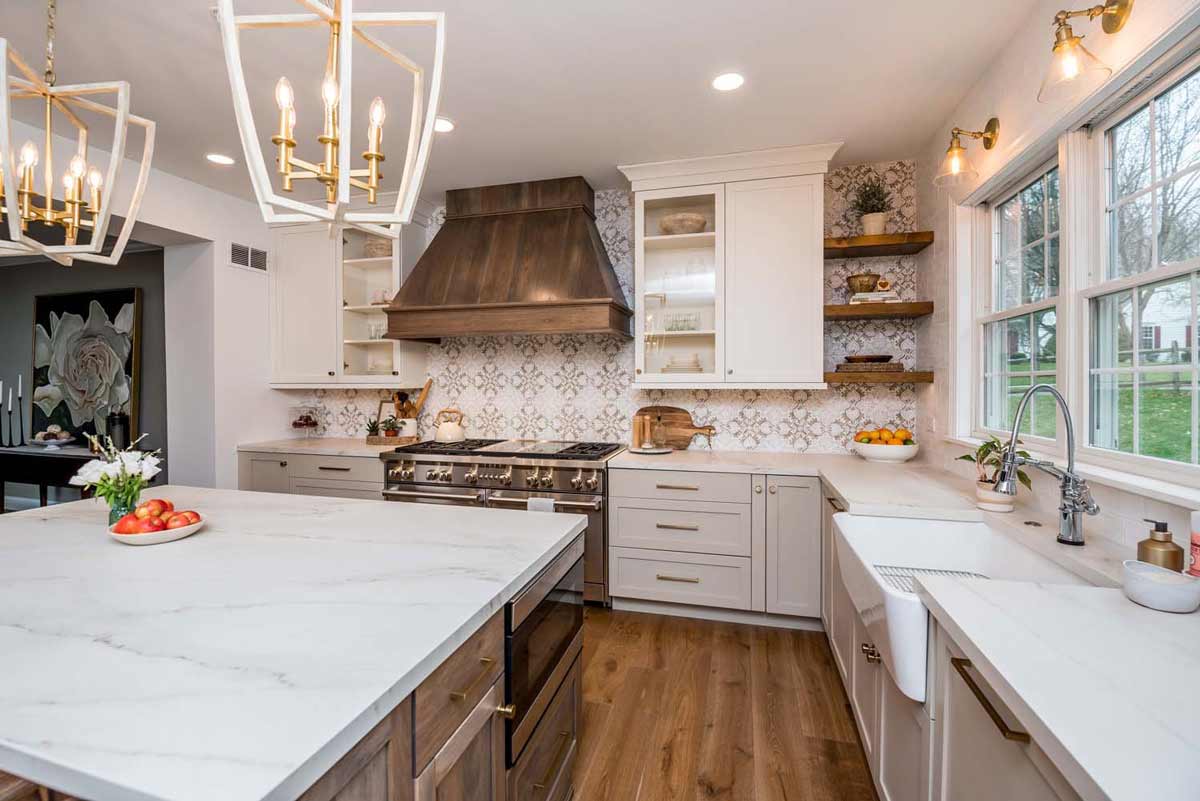
2025 Home Design Secrets –: Implementation, Trends, and Expert Tips
Common Mistakes and How to Avoid Them
Even expert designs can fail without attention to detail.
-
Ignoring Scale and Proportion
-
Ensure furniture fits the room and maintains flow.
-
-
Overcrowding Spaces
-
Minimalism and multifunctional furniture prevent clutter.
-
-
Neglecting Lighting
-
Poor lighting can ruin color schemes and mood.
-
-
Skipping Sustainability
-
Choosing cheap, non-eco-friendly materials may cost more long-term.
-
-
Forgetting Personalization
-
Your home should reflect your personality; avoid cookie-cutter designs.
-
Step-by-Step Home Makeover Guide for 2025
Step 1: Assess Your Space
-
Measure rooms, note strengths/weaknesses, and identify zones for improvement.
Step 2: Define Your Style & Goals
-
Decide between minimalist, modern, eclectic, or contemporary.
-
Incorporate lifestyle needs: work-from-home, entertainment, children, or pets.
Step 3: Plan Layouts & Furniture
-
Sketch layouts for each room.
-
Prioritize multifunctional furniture for efficiency.
Step 4: Select Colors & Materials
-
Use neutral base tones with bold accent colors.
-
Choose sustainable, durable, and low-maintenance materials.
Step 5: Integrate Technology & Smart Features
-
Add smart lighting, climate control, and security solutions.
Step 6: Decorate & Accessorize
-
Layer textures, add statement pieces, and place biophilic elements.
Step 7: Finalize & Adjust
-
Live in the space for a few days, adjust layouts, lighting, or décor as needed.
FAQ Section – 2025 Home Design Secrets
Q1: Why is 2025 considered revolutionary for home design?
A: Advancements in technology, sustainability, and personalized aesthetics are transforming how homes function and feel. Smart homes, eco-friendly materials, and modern design principles converge to create spaces that are efficient, comfortable, and stylish.
Q2: What are the most important trends for 2025?
A: Modular furniture, biophilic design, energy-efficient appliances, IoT integration, and multifunctional spaces dominate 2025 trends.
Q3: How do I maximize space in small homes?
A: Use multifunctional furniture, vertical storage, open layouts, and flexible room designs. Every inch should serve a purpose without crowding the space.
Q4: How can I make my home eco-friendly?
A: Incorporate energy-efficient appliances, recycled materials, water-saving fixtures, and indoor plants. Sustainability is key in modern design.
Q5: When should I hire a professional designer?
A: For complex layouts, high-tech integration, or luxury finishes, a professional ensures efficiency, style, and adherence to modern standards.
Q6: Who can I consult for smart home installations?
A: Certified home automation specialists or trusted brands like Philips Hue, Nest, or Samsung SmartThings can implement technology safely and efficiently.
Q7: How to blend trends with timeless design?
A: Use neutral base colors and classic furniture while incorporating trending accents and accessories for a modern touch without sacrificing longevity.
Q8: What mistakes should I avoid during a makeover?
A: Avoid clutter, poor lighting, ignoring scale, neglecting sustainability, and neglecting your personal style.
Q9: Where can I source 2025 home décor ideas?
A: Trusted sources include Architectural Digest, HGTV, Elle Decor, Houzz, and Dezeen.
Q10: Factors of a successful home transformation?
A: Planning, material selection, technology integration, aesthetic coherence, sustainability, and functional layouts are the key factors.
Conclusion: Transform Your Home in 2025
2025 home design is about harmony, sustainability, technology, and personalization. By combining expert insights from foundational principles (Part 1), room-specific strategies (Part 2), and actionable implementation steps (Part 3), you can create a living space that is modern, functional, and uniquely yours.
Whether you’re revamping a single room or overhauling your entire home, these secrets ensure your environment is comfortable, stylish, and future-ready.
Backlinks for Reference:
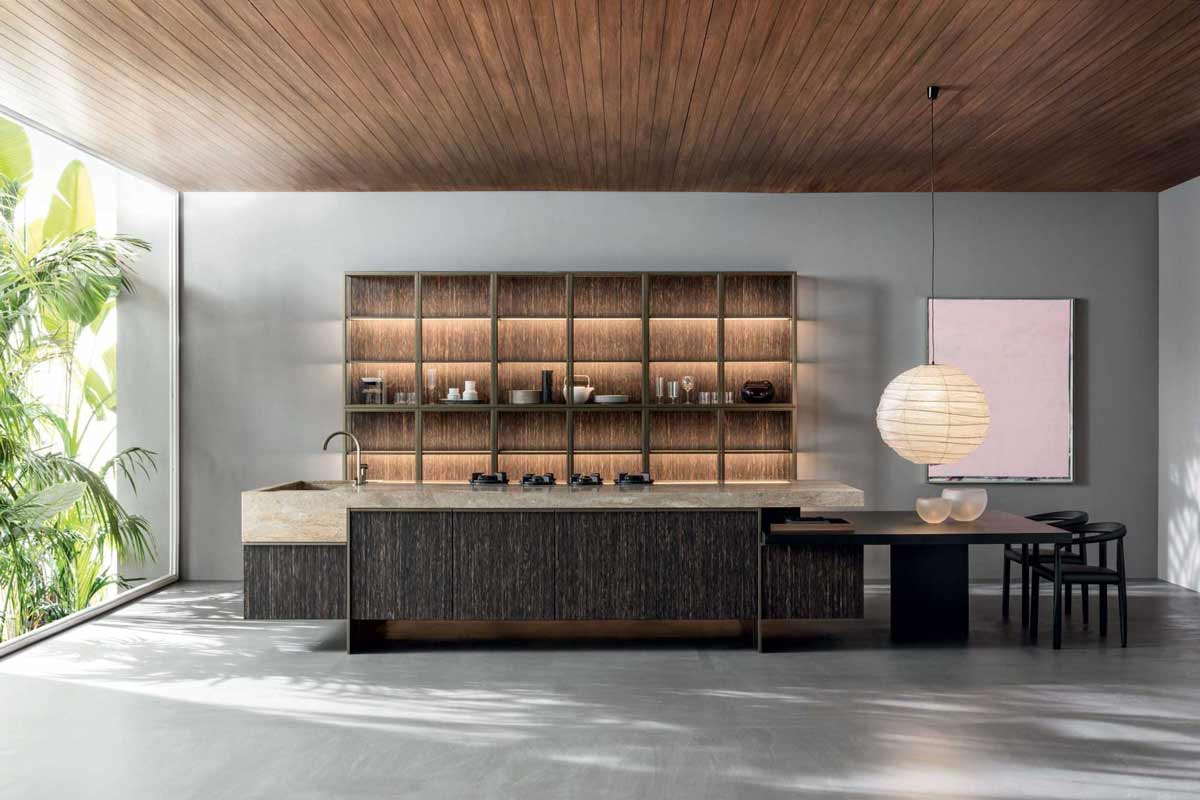
Kitchen Design Simple: A Modern Guide to Simplicity and Functionality in 2025