

Armenian Heritage, Aesthetic Roots, and Emerging Interior Inspirations
Introduction: The Soul of Armenian Home Design
Armenia’s home decor culture is one of the most fascinating blends of ancient craftsmanship, emotional warmth, and evolving modernity in the world. Nestled between Europe and Asia, Armenia’s design identity reflects centuries of resilience, artistry, and deep family values.
From Yerevan’s contemporary apartments to rustic stone houses in Dilijan and vineyard villas in Ararat, every Armenian home tells a story — of tradition, art, and togetherness.
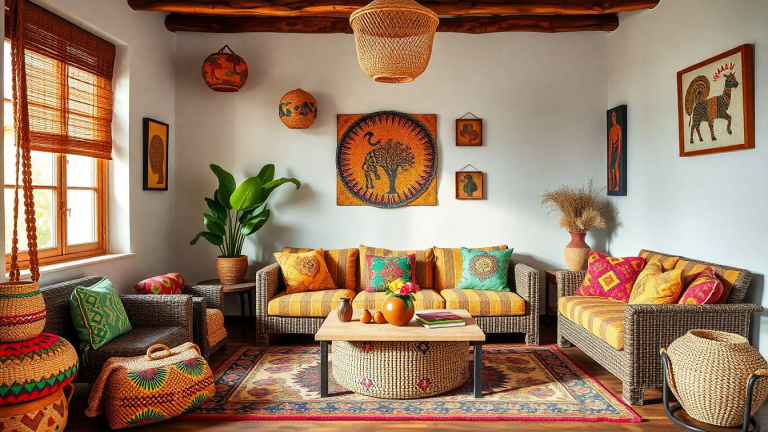
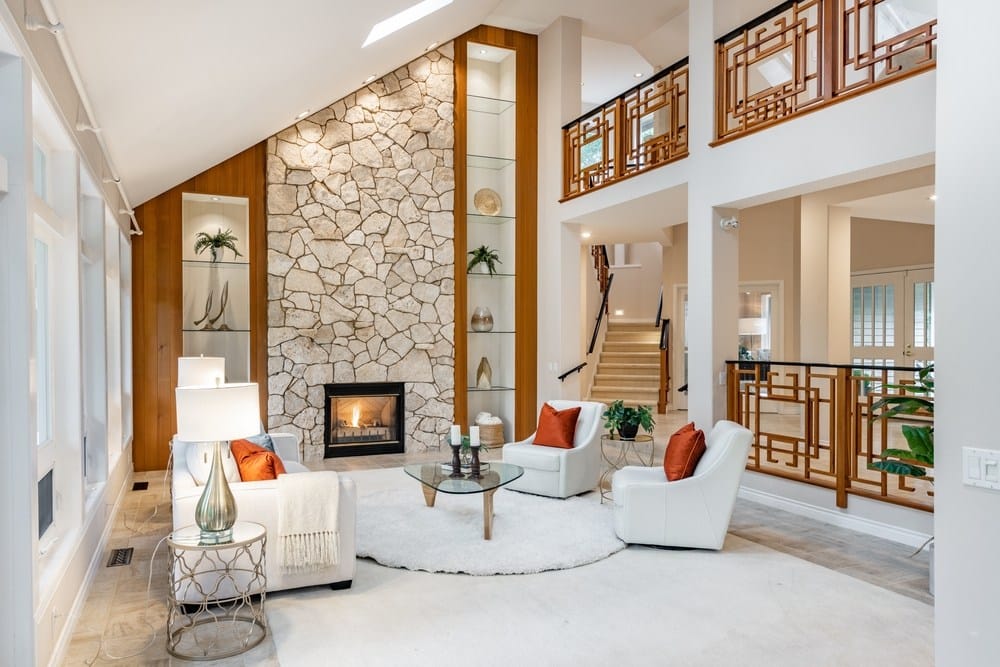
In 2025, Armenian interior design stands at a beautiful crossroad: a harmony between old-world craftsmanship and modern, minimalist sophistication. Homes now combine carved wood, rich textiles, and natural stone with smart lighting, modern layouts, and eco-conscious living.
Home decor in Armenia isn’t just about style — it’s a way of life, a reflection of heritage, spirituality, and the profound connection between the people and their land.
Armenia’s Design DNA: Cultural and Historical Influences
The roots of Armenian home decor trace back centuries, influenced by geography, religion, and craftsmanship.
1. Geography and Natural Beauty
Armenia’s terrain — mountains, forests, valleys, and volcanic rock formations — has deeply shaped its architecture and interiors.
-
Tufa stone (volcanic rock) is used in walls, fireplaces, and flooring.
-
Wood and clay dominate rural interiors for warmth and sustainability.
-
Natural light plays a crucial role, reflecting Armenia’s highland sun and open skies.
2. Religion and Symbolism
The Armenian Apostolic Church, one of the oldest Christian traditions in the world, has inspired centuries of design motifs.
-
Cross-stone carvings (khachkars) influence wall art and textile patterns.
-
Church domes inspire ceiling shapes and lighting fixtures.
-
Spiritual motifs appear in carpets, ceramics, and hand-carved wooden doors.
3. Craftsmanship and Folk Art
Armenia’s artisans are renowned for:
-
Handwoven carpets (especially from Vardenis and Meghri)
-
Copper and brass metalwork
-
Pottery and hand-painted ceramics
-
Woodcarving and embroidery
These crafts continue to inspire modern decor, bridging old traditions with contemporary taste.
Traditional Armenian Home Design: A Warm Embrace
Traditional Armenian homes radiate comfort, family unity, and artistry.
Layout and Architecture
Older homes, especially in rural areas or historical districts like Gyumri and Lori, have:
-
Thick stone walls for insulation
-
Wooden ceilings and beams
-
Courtyards for gatherings
-
Arched windows and carved wooden doors
These architectural details serve both function and beauty — keeping homes cool in summer and warm in winter.
Decorative Elements
| Feature | Description | Design Impact |
|---|---|---|
| Handwoven rugs | Made with natural dyes and intricate patterns | Adds warmth and cultural identity |
| Copper utensils | Displayed on shelves or walls | Reflect heritage craftsmanship |
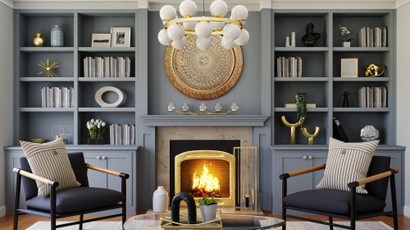
| Stone fireplaces | Central to living rooms | Symbol of home unity |
| Embroidered textiles | Used in cushions, curtains, and tablecloths | Softens interiors with traditional charm |
| Religious icons | Carved or painted | Brings spiritual significance |
Traditional Armenian homes embody the balance between strength and sentiment, built to endure time while nurturing love and hospitality.
Modernization of Armenian Homes (2020–2025)
In the last five years, Armenia’s housing and decor landscape has evolved dramatically.
Urbanization, economic growth, and global influence have inspired a new design language that merges traditional aesthetics with modern functionality.
Key Modern Trends
-
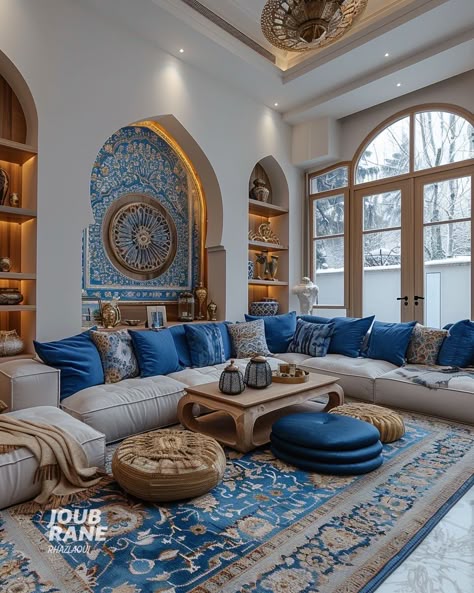
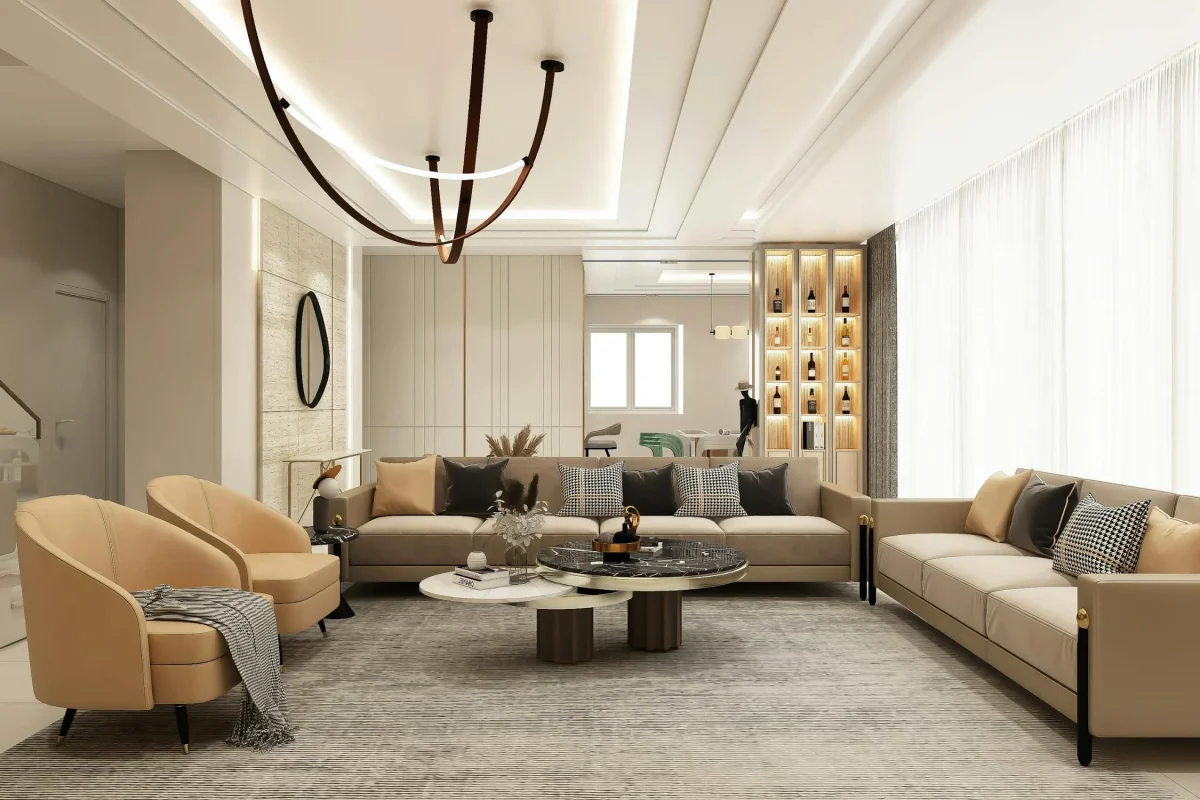
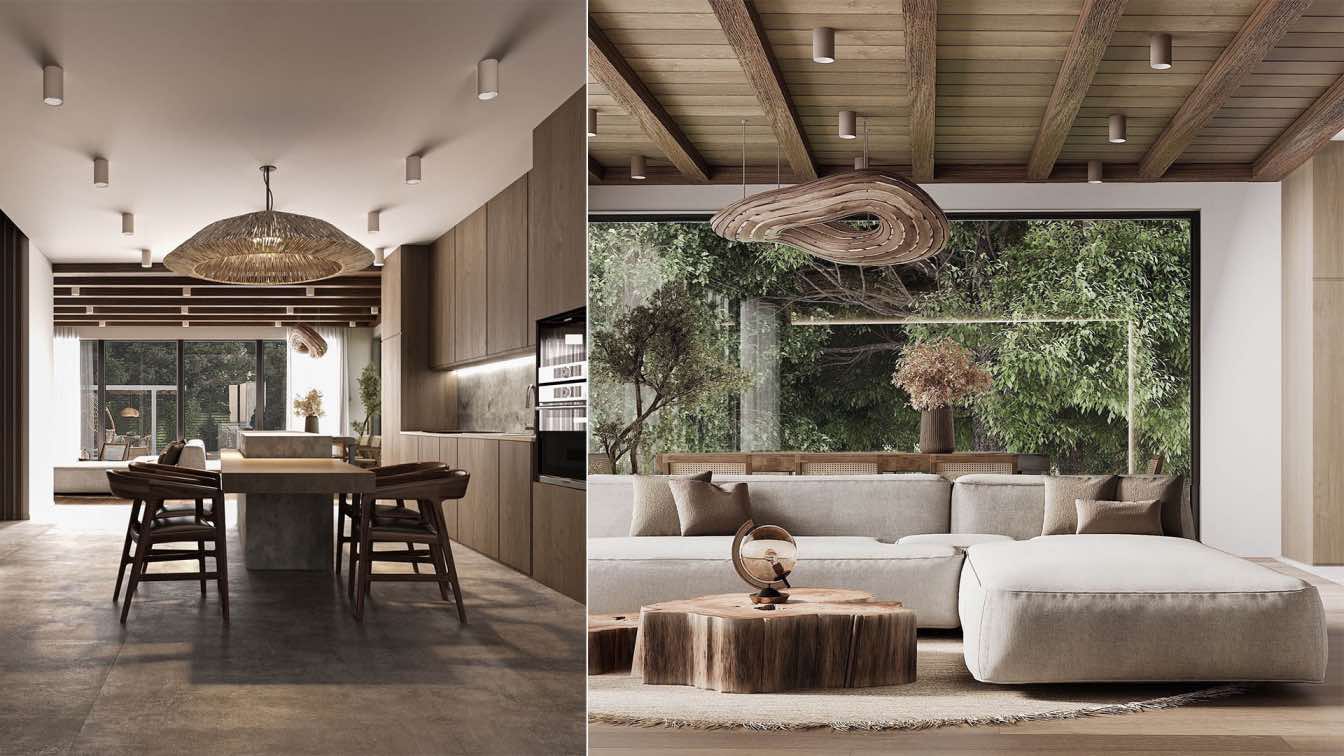
Minimalist interiors with heritage accents
-
Neutral color palettes complemented by warm woods and natural fabrics
-
Smart home technology and LED lighting systems
-
Open-plan layouts connecting kitchen, dining, and living zones
-
Sustainable materials and local craftsmanship revival
Modern Armenian homes don’t abandon the past — they reinterpret it.
How-To Guides & Inspiration in Home Decor
The Role of Yerevan: Armenia’s Interior Design Capital
Yerevan, the nation’s creative hub, defines most of Armenia’s modern home trends.
Its rising design studios, boutique furniture brands, and artisan collectives have made it a center of innovation.
Design Features in Modern Yerevan Homes
-
Clean lines, natural materials, and understated elegance
-
Mix of Scandinavian simplicity and Armenian warmth
-
Use of tufa stone walls, marble countertops, and carved wood
-
Locally made ceramics and rugs paired with imported modern furniture
Example: A Modern Yerevan Apartment
An apartment in central Yerevan today often includes:
-
A neutral color palette (beige, grey, cream)
-
Light oak or walnut furniture
-
Minimalist lighting with brass finishes
-
One or two statement pieces — such as a handcrafted rug or wooden door panel — to preserve identity
This aesthetic demonstrates the maturity of Armenian decor: subtle, confident, and soulful.
Color Psychology in Armenian Interiors
Armenian design emphasizes emotional warmth, achieved through color harmony.
| Color Tone | Meaning & Effect | Common Use |
|---|---|---|
| Terracotta | Earth, stability, and history | Walls and pottery |
| Cream & Ivory | Purity and space | Background colors |
| Deep Red | Warmth and energy | Carpets, textiles |
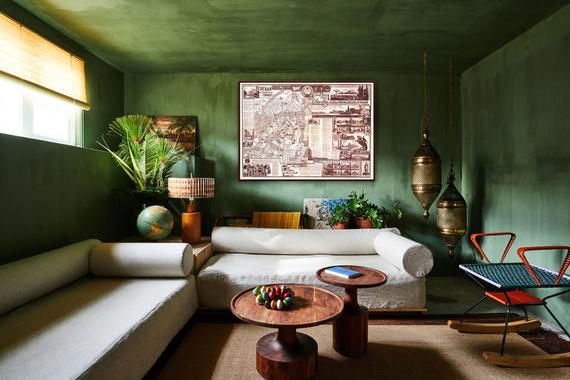
| Olive Green | Peace and nature | Furniture or decor |
| Bronze & Gold | Heritage and luxury | Lighting and metalwork |
These colors echo Armenia’s landscapes — from the volcanic plains to lush vineyards — grounding interiors in emotional and geographic authenticity.
Furniture Design: Where Craft Meets Comfort
Furniture design in Armenia has recently entered a new golden age. Local designers merge handmade artistry with contemporary ergonomics.
1. Materials and Construction
-
Locally sourced oak, walnut, and beechwood
-
Iron and copper details for industrial flair
-
Upholstery in linen, wool, or velvet
-
Natural finishes and hand-carved accents
2. Popular Furniture Trends
-
Low-profile sofas with ethnic cushions
-
Reclaimed wood tables with minimalist metal legs
-
Floating shelves showcasing pottery or books
-
Custom cabinetry blending function with design aesthetics
3. Heritage Revival
Many designers draw inspiration from 19th-century Gyumri carpentry and Soviet-era modernism, reinterpreting these influences through 2025 trends like Japandi and eco-minimalism.
Lighting: The Soul of Armenian Interiors
Lighting in Armenian homes has evolved from purely functional to atmospheric and emotional.
-
Natural light remains a priority: large windows and skylights are common.
-
Pendant lights and lantern-inspired fixtures bring character.
-
Smart LED systems allow mood customization for modern living.
-
Candles and wall sconces are often used for warmth and intimacy.
Trend Example (2025):
A combination of modern brass pendants over the dining area and handcrafted ceramic lamps on nightstands — a fusion of global innovation and Armenian craftsmanship.
Textiles and Handmade Decor: Preserving Soul and Identity
Textiles remain the emotional signature of Armenian decor. They convey warmth, history, and love.
1. Carpets and Kilims
-
Handwoven using wool, cotton, or silk
-
Traditional patterns (dragon, eagle, eternity symbols) still appear in modern interpretations
-
Often framed as wall art in minimalist interiors
2. Curtains, Cushions, and Throws
-
Natural fabrics (linen, cotton)
-
Earthy tones and geometric prints
-
Layering textures to create visual comfort
3. Bedding and Upholstery
Modern homeowners prefer neutral bases with patterned throws that reflect their roots subtly, keeping rooms elegant yet emotionally grounded.
Decorative Arts and Collectibles
Armenia’s love for personal storytelling through objects defines its decor.
Homes are full of heirlooms — a grandmother’s rug, a sculptor’s vase, or hand-painted plates from Gyumri.
Common decorative pieces include:
-
Stone or clay figurines
-
Cross-shaped ornaments
-
Miniature wooden churches or monasteries
-
Nature-inspired sculptures
-
Family portraits framed in carved wood
Every object is a memory, every wall a canvas of heritage.
Sustainability and Local Production
2025 marks a growing movement toward eco-friendly design in Armenia:
-
Local sourcing: reducing import dependency
-
Upcycling old furniture into new designs
-
Solar-powered homes and green rooftops in Yerevan suburbs
-
Reforestation wood use certification
Armenian designers have adopted the global principle that luxury can also be sustainable.
Digital Influence: How Social Media Shapes Armenian Homes
Instagram and Pinterest have become major influences on Armenian home decor aesthetics.
Homeowners now follow design influencers and share before/after transformations.
Popular hashtags in 2025 include:
#ArmenianInteriorDesign, #YerevanStyle, #HomeDecorArmenia, #ArmenianCrafts, #EcoHomes2025
This trend has given rise to interior bloggers, YouTube decorators, and online artisan stores connecting traditional makers with global customers.
Conclusion of Part 1
Armenia’s home decor in 2025 is a story of balance — where stone meets steel, heritage meets innovation, and nostalgia meets minimalism.
The country’s designers and homeowners are redefining what it means to create a home — not just a place to live, but a sanctuary filled with heart, art, and history.
Home Decor in Armenia: A Fusion of Heritage, Craftsmanship, and Modern Design
Artisan Traditions and Modern Expressions
Armenia’s home decor scene is deeply intertwined with the artistry of its people — craftsmen who turn natural materials into timeless masterpieces. Whether it’s the intricate woodwork of Lori or the delicate lacework from Gyumri, Armenian artisans bring heritage into the heart of every home. In modern interiors, these traditional techniques are finding a new voice, blending effortlessly with contemporary styles to create living spaces that tell both old and new stories.
Handcrafted Woodwork remains one of the country’s strongest design elements. Local artisans use walnut, oak, and apricot wood to craft furniture that often features hand-carved geometric or floral motifs — a nod to the medieval Armenian architectural details found in monasteries and khachkars (cross-stones). These pieces often become statement furniture items in modern apartments, bridging the gap between ancient artistry and minimalistic design.
Armenian Ceramics, especially those from the town of Vardenis and Noratus, bring color and charm to interiors. Plates, tiles, and vases decorated with traditional motifs like pomegranates and vines serve as symbols of abundance and family. Many designers incorporate these ceramics into wall niches, kitchen backsplashes, or open shelving — a smart blend of cultural reference and practicality.
Armenian Textiles and Patterns
Textiles have long been the heartbeat of Armenian home decor. Richly patterned carpets, embroidered linens, and colorful kilims tell stories of tribes, faith, and generations. These aren’t just accessories — they’re emotional heirlooms.
-
Armenian Rugs and Kilims: Each region of Armenia has its own signature rug pattern. The bold reds and blues of the Lori region, for instance, contrast with the softer earth tones of Syunik. Modern designers often use these rugs as focal points in neutral-toned rooms, letting their intricate weaves add warmth and cultural flair.
-
Linen and Embroidery: In Yerevan, boutique textile shops are bringing back the art of Armenian needlework. White linens embroidered with traditional crosses, floral vines, and geometric motifs are popular in contemporary bedrooms, kitchens, and living rooms.
-
Velvet and Wool Accents: During the colder months, Armenian homes introduce texture and comfort through wool throws, velvet cushions, and heavy drapes — creating cozy atmospheres that align perfectly with the country’s long winters.
These textiles serve more than aesthetic purposes — they symbolize the connection between family generations, often passed down as treasured keepsakes.
Cultural Motifs and Symbolism in Decor
Armenian home decor thrives on symbolism — each element holds meaning, rooted in centuries-old beliefs.
-
The Pomegranate represents fertility, prosperity, and unity — and is often featured in decor pieces, wall art, or table centerpieces.
-
The Eternity Symbol (Arevakhach), which looks like a circular sun, is carved into wood or stone and placed in modern homes as a spiritual and cultural emblem.
-
Mount Ararat, visible from many parts of Armenia, often features in paintings and wall murals — symbolizing resilience, faith, and identity.
By incorporating these motifs, homeowners not only add cultural authenticity but also create spaces imbued with meaning and pride.
Blending Old and New in Urban Armenian Homes
Yerevan’s apartments and homes showcase how young designers are redefining tradition. The trend leans toward modern minimalism infused with rustic warmth. Exposed stone walls, metal fixtures, and wooden ceilings coexist with ancient-inspired art pieces and handcrafted furniture.
Designers are moving toward open-concept living spaces, but still maintain emotional warmth through soft lighting, natural fabrics, and subtle nods to Armenian heritage — whether through a tapestry or a hand-painted ceramic pot. The philosophy is simple: let the home breathe history, but live in the present.
A particularly rising style in Armenian cities is “Neo-Traditional Modernism”, which combines:
-
Neutral color palettes with vibrant folk-inspired accents.
-
Local materials (stone, clay, wood) with glass and steel.
-
Vintage handcrafted decor within clean, structured interiors.
This style has gained popularity in both residential and boutique hospitality projects across Yerevan and Dilijan.
Lighting, Atmosphere, and Architectural Harmony
Lighting in Armenian home decor is as much about mood as function. Homes often use soft, warm tones to balance the strength of natural materials like stone and wood. Wall sconces shaped like ancient torches, pendant lamps made from hammered metal, or glass lanterns reminiscent of old monasteries give each room a unique ambience.
-
Natural Light: Armenian homes, especially in rural areas, prioritize sunlight through wide windows and open layouts that reflect the beauty of the surrounding mountains.
-
Accent Lighting: Used to highlight art, architectural niches, or stone textures.
-
Candlelight and Heritage Lamps: Many Armenians retain a love for candlelight, reminiscent of old traditions — perfect for creating intimate, welcoming spaces.
The harmony between architecture and decor is a defining trait in Armenian design. Many homes feature arched doorways, stone frames, or wooden ceilings — architectural echoes of medieval monasteries — seamlessly integrated into modern layouts.
Sustainability and Local Materials
Armenian home decor has naturally evolved toward sustainability — not as a trend, but as a continuation of its age-old respect for materials and craftsmanship.
-
Reclaimed Wood and Stone: Commonly used in modern renovations, connecting the past with eco-conscious living.
-
Locally Sourced Clay and Wool: Reduces carbon footprint while supporting local artisans.
-
Natural Finishes: Lime plaster, beeswax polish, and mineral paints are preferred over synthetic coatings.
Young homeowners are also embracing eco-modern homes, focusing on energy efficiency and locally made decor. This movement aligns with Armenia’s broader environmental awareness, positioning traditional craftsmanship within a global green design context.
Table: Key Elements of Armenian Home Decor
| Category | Traditional Feature | Modern Adaptation |
|---|---|---|
| Furniture | Hand-carved walnut and oak pieces | Minimalist designs with ethnic carvings |
| Textiles | Woven rugs, embroidered linens | Eco-friendly wool and linen in neutral tones |
| Art & Symbolism | Pomegranates, eternity signs | Wall prints and ceramic sculptures |
| Materials | Stone, clay, wood | Mixed media with glass and metal |
| Lighting | Candlelight and bronze lamps | Warm LEDs with rustic fixtures |
Armenian Home Decor and Global Influence
Today, Armenian design is being recognized internationally for its authenticity and artistry. Global designers are taking inspiration from Armenian folk art, intricate woodcraft, and symbolic color use. Whether it’s a Yerevan boutique hotel styled with khachkar-inspired decor or a Los Angeles home designed by an Armenian diaspora artist, the connection to Armenian roots remains unmistakable.
This merging of local craft with global vision is what makes Armenian home decor stand out — it tells a universal story through a distinctly national lens.
The Rise of Armenia’s Interior Design Industry (2024–2025)
In recent years, Armenia’s interior design industry has entered an exciting renaissance. Fueled by urban development, tourism, and a growing diaspora influence, design studios in Yerevan, Gyumri, and Vanadzor are merging global sophistication with local authenticity. This movement marks Armenia’s confident step into the global design map.
Key Drivers Behind This Growth:
-
Cultural Revival: Young Armenians are rediscovering their roots and translating cultural pride into home styling — embracing khachkar-inspired patterns, pomegranate symbols, and rustic craftsmanship.
-
Economic Shifts: As Armenia experiences steady urbanization and digital expansion, middle-class homeowners are investing more in personalized interior aesthetics.
-
Global Connectivity: Through social media and online design platforms, Armenian designers are now collaborating with international brands, exchanging ideas, and showcasing their artistry to a global audience.
Top interior design schools in Yerevan, such as the Armenian National University of Architecture and Construction, have begun introducing sustainability, ergonomics, and cultural preservation into their curriculums — ensuring the next generation of designers is both rooted and forward-looking.
Top Armenian Home Decor Brands & Studios
Armenia may be a small country, but its creative scene is thriving. Several brands and designers have emerged as trendsetters, blending modern minimalism with the deep textures of tradition.
| Brand/Studio | Specialization | Design Signature |
|---|---|---|
| Made in Armenia | Furniture & Accessories | Handmade wooden furniture inspired by Armenian geometry |
| TUMO Design Lab | Modern Interiors | Smart tech-integrated, minimalist homes |
| Arvest Handmade | Textile & Ceramics | Pomegranate and eternity motifs in bold color palettes |
| ArtLunch Design Studio (Yerevan) | Full-Service Interiors | Eclectic fusion of industrial chic and Armenian folk |
| LusArt Ceramics | Clay & Tableware | Glazed ceramics inspired by medieval Armenian pottery |
| KaroHome | Eco-Friendly Design | Sustainable decor using reclaimed wood and natural fabrics |
These brands are redefining what Armenian design looks like — shifting it from a purely heritage-driven aesthetic to one that is globally stylish yet deeply soulful.
Modern Trends in Armenian Home Decor for 2025
According to the latest design exhibitions and interior blogs in Armenia, the most dominant trends for 2025 include:
-
Heritage Modernism:
Combining ancient Armenian craftsmanship (stone carving, wood engraving) with minimalist Scandinavian layouts. Think of a clean, white living room highlighted by a single ornate khachkar-style wall panel. -
Warm Earth Tones:
Shades of terracotta, burnt orange, soft beige, and clay dominate walls and upholstery, inspired by the colors of Armenian landscapes. -
Cultural Layering:
Instead of hiding heritage, homeowners are layering modern decor with family heirlooms — old photos, antique rugs, or copper vessels — to tell personal stories. -
Natural and Sustainable Materials:
Designers are increasingly using Armenian tuff stone, handmade clay tiles, and eco-paints. There’s also a growing shift toward locally sourced bamboo, wool, and linen. -
Functional Minimalism:
Urban apartments in Yerevan are adapting smart furniture, convertible spaces, and light-enhancing color schemes to make small homes feel expansive.
How to Create an Armenian-Inspired Home Anywhere in the World
If you live outside Armenia but want to infuse your space with its charm, here’s a practical guide:
-
Start with Symbolic Colors:
Use earthy palettes — clay red, soft beige, and olive green — to mirror Armenia’s natural tones. -
Incorporate Traditional Patterns:
Add pillow covers, table runners, or rugs inspired by Armenian carpet motifs or cross-stone engravings. -
Choose Handcrafted Elements:
Support Armenian artisans through online marketplaces that sell ceramics, embroidery, or carved wood decor. -
Balance with Modern Lines:
Combine ethnic textures with simple, clean furniture to avoid visual overload. The harmony of old and new is key. -
Display Cultural Icons:
A painting of Mount Ararat, a ceramic pomegranate bowl, or a framed eternity symbol instantly gives character and soul to your interior.
The Emotional Core of Armenian Home Design
Armenian decor isn’t just visual — it’s deeply emotional. Every object holds meaning: a grandmother’s woven rug carries her laughter, a hand-carved cross represents faith, and even a pomegranate on the table signifies the continuity of life.
The spirit of Armenian design is warmth, resilience, and togetherness. It’s about creating homes that feel safe and soulful — places where stories are told and love is shared.
Why Armenian Home Decor Is Gaining Global Attention
Armenia’s rising recognition in the design world stems from three main reasons:
-
Authenticity in an age of uniformity: While many global interiors look similar, Armenian decor stands out with its symbolic storytelling.
-
Sustainability through craftsmanship: Handmade, durable, and locally sourced decor aligns perfectly with global eco-conscious movements.
-
Emotional connection: Armenian homes are not just styled — they’re felt. The design philosophy resonates with people seeking depth and warmth in their spaces.
International design magazines like Elle Decoration, ArchDaily, and DesignBoom have featured Armenian artisans and projects, spotlighting their innovative approach to heritage revival.
FAQ: Home Decor in Armenia
Q1: What makes Armenian home decor unique compared to other styles?
Armenian decor combines ancient craftsmanship with modern design logic. Its uniqueness lies in symbolic artistry, warm textures, and handmade detailing rooted in history yet adapted to today’s lifestyles.
Q2: What are the most popular materials used in Armenian interiors?
Wood (walnut, oak), tuff stone, ceramics, wool, linen, and clay are the staples — often sourced locally and finished naturally.
Q3: How do Armenians integrate tradition into modern apartments?
By blending minimalism with cultural touches — such as carved furniture, symbolic motifs, or heirloom rugs — without cluttering the space.
Q4: Are Armenian home decor items available internationally?
Yes. Many designers sell online through platforms like Etsy, or export via galleries and boutiques specializing in handmade or ethnic decor.
Q5: What’s trending in Armenian design for 2025?
Earth-tone palettes, artisan ceramics, minimalist layouts, and hybrid decor that merges folk motifs with modern elegance.
Q6: Why are pomegranates so common in Armenian design?
They symbolize fertility, love, and eternal life — deeply rooted in Armenian mythology and Christianity.
Q7: How does climate influence home design in Armenia?
Cold winters encourage cozy materials like wool and velvet, while bright summers inspire light fabrics and airy interiors.
Q8: Can Armenian decor blend well with Western styles?
Absolutely. Armenian elements pair beautifully with Scandinavian, bohemian, or rustic-chic interiors when used as accents.
Q9: What role do artisans play in the Armenian home decor industry?
They are its backbone — preserving authenticity while adapting to modern aesthetics and global markets.
Q10: Where can I learn more or see examples of Armenian home design?
Follow Armenian design studios on Instagram (like @artlunchdesign, @arvest_handmade, or @karo_home), or watch virtual tours of Yerevan interiors on YouTube for inspiration.
Conclusion: Armenia’s Soul in Every Home
Home decor in Armenia is more than a visual journey — it’s a cultural heartbeat that celebrates endurance, creativity, and belonging. From ancient monasteries to modern lofts, the Armenian spirit of artistry lives on, uniting the past and the present in every curve, color, and carving.
Whether you’re designing a house in Yerevan or decorating an apartment in Paris, Armenian home decor teaches one timeless lesson:
“A home is not defined by its walls, but by the stories it holds.”