



Introduction: Why Bed & Bath Defines Modern Comfort in 2025
When we talk about comfort, most people think of a cozy bed at the end of a long day or the rejuvenating embrace of a warm shower first thing in the morning. In 2025, this intimate connection between bed and bath spaces has become even more significant. These two rooms are no longer seen as simple, functional parts of the home; instead, they are deeply integrated into how we define wellness, self-care, and daily happiness.
The modern homeowner views the bedroom and bathroom as sacred spaces—places of retreat, healing, and renewal. Technology, sustainability, and design trends are reshaping the way we experience them, merging practicality with indulgence. In fact, studies in 2024 from the National Association of Home Builders revealed that 78% of homeowners now prioritize bed and bath upgrades when planning a renovation—ranking them higher than kitchens and living rooms. This trend highlights a shift in values: comfort and well-being come first.
This article will take you on a complete journey through the world of Bed & Bath in 2025, exploring the latest design innovations, technologies, materials, and lifestyle shifts that redefine comfort for the modern era.
The Bedroom: From Sleeping Space to Wellness Sanctuary
The bedroom has always been about rest, but in 2025, it is evolving into something much more holistic. Bedrooms are now designed as sanctuaries—spaces that nurture both physical rest and mental peace.
-
Smart Beds for Smarter Sleep
Smart mattresses now track heart rate, breathing, sleep stages, and even adjust firmness throughout the night. Brands like Sleep Number and Eight Sleep have released AI-powered beds that respond to your body temperature in real time, ensuring deeper sleep cycles. By 2025, these innovations have become mainstream, with even mid-range mattress brands offering sensor-based features. -
Biophilic Bedroom Design
Natural elements—like wood, stone, and indoor plants—are being embraced to create calming spaces. Research shows that exposure to greenery indoors can reduce stress levels by up to 40%. Bedrooms designed with biophilic principles use large windows, natural textures, and plant walls to mimic outdoor tranquility. -
Wellness-Centric Lighting
Light therapy has found its place in bedrooms. Circadian lighting systems simulate sunrise and sunset to regulate melatonin production, ensuring better rest. Companies like Philips Hue now integrate AI routines to personalize lighting based on individual sleep patterns. -
Minimalism Meets Luxury
The clutter-free bedroom is no longer about austerity but about balancing minimalism with indulgence. Think neutral color palettes paired with plush bedding, soft textures, and artisanal furniture. Comfort now coexists with sophistication.
The Bathroom: The New Home Spa
Bathrooms are no longer places you simply “get ready” in. In 2025, they are curated as personal wellness retreats. From hydrotherapy systems to aromatherapy showers, homeowners are investing heavily in transforming bathrooms into spa-like experiences.
-
Smart Showers & Hydrotherapy
Digital showers allow users to control temperature, water pressure, and even steam settings with voice assistants like Alexa. Some models also incorporate aromatherapy cartridges, turning a morning shower into a sensory therapy session. -
Luxury Soaking Tubs & Micro-Spa Features
Freestanding soaking tubs, inspired by Japanese ofuro designs, are trending. These tubs emphasize deep relaxation and mindfulness. Many are now paired with chromotherapy lighting, sound systems, and even microbubble technology to detoxify the skin. -
Sustainability in Bathrooms
Water efficiency is a major concern in 2025. Low-flow fixtures, smart water recycling systems, and greywater reuse technology are now common in eco-conscious homes. According to EPA WaterSense 2024, households adopting smart water systems can reduce water waste by up to 45%. -
Touchless & Hygienic Features
The pandemic years accelerated the demand for touchless faucets, self-cleaning toilets, and antibacterial surfaces. In 2025, these features are no longer seen as luxury add-ons—they are considered essential for modern bathroom design.

bath-and-bed
Table 1: Top Bed & Bath Innovations of 2025
| Category | Innovation Example | Benefit |
|---|---|---|
| Bedroom | AI-powered smart beds | Personalized comfort & sleep tracking |
| Bedroom | Circadian rhythm lighting | Improved rest & energy cycles |
| Bathroom | Aromatherapy digital showers | Stress relief & mood boosting |
| Bathroom | Smart water recycling systems | Sustainability & reduced bills |
| Both | Biophilic design elements | Stress reduction & better mental health |
Blending Technology and Tradition
One of the most exciting things about 2025 is how technology doesn’t erase tradition—it enhances it. For example:
-
Traditional materials like natural stone, bamboo, and handwoven textiles are being paired with smart systems for lighting, heating, and water control.
-
Cultural influences are resurfacing: Japanese minimalism, Scandinavian hygge, and Mediterranean luxury are dominating the design world.
-
Personalization is key: homeowners can create custom “wellness routines” through apps, blending morning meditation lighting, aromatherapy, and personalized sleep cycles.
This blend of the ancient and the futuristic ensures that bed and bath spaces remain not just practical, but deeply meaningful in daily life.
Backlinks for Authority
Conclusion of Part 1
The evolution of bed and bath spaces in 2025 is not just about aesthetics—it’s about experience. These rooms are shaping how we live, rest, and heal. From smart technology that adapts to our bodies, to sustainable designs that protect the planet, every detail is moving toward one goal: redefining comfort.
Part 2 will dive deeper into design styles, materials, and the psychology of comfort—revealing how homeowners can transform these spaces into sanctuaries that elevate everyday living.
Design Styles That Define 2025: A New Era of Bed & Bath Aesthetics
If 2024 was about blending sustainability with style, then 2025 is about personalizing that balance. Homeowners are no longer chasing just trends—they’re seeking experiences. The bed and bath spaces are now being designed to embody feelings: calm, renewal, luxury, or energy.
This section explores the most influential design aesthetics shaping bedrooms and bathrooms in 2025, and how these trends are being tailored to individual lifestyles.
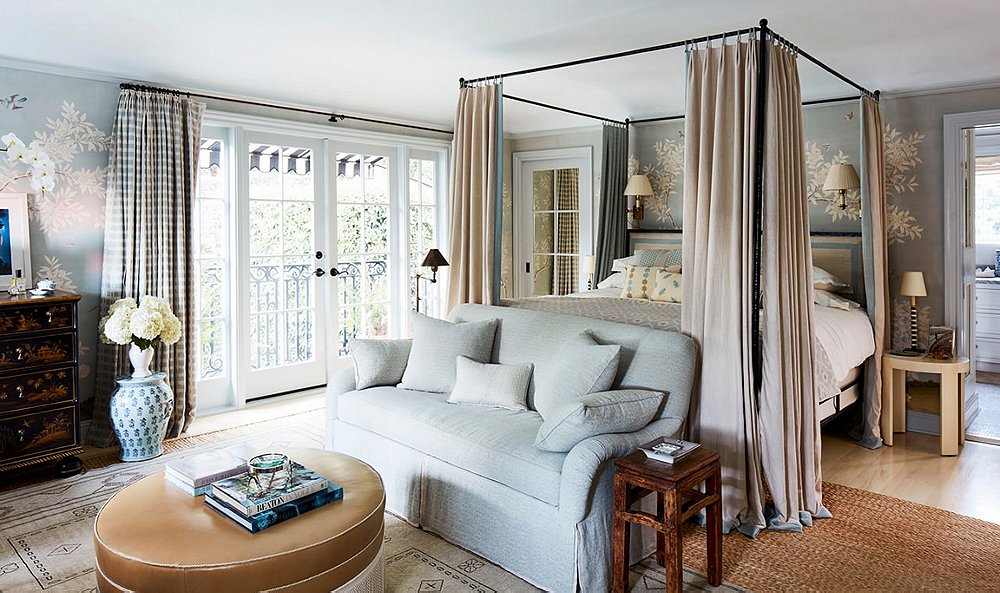
Sleep and Relax in Style: A Guide to Bedroom and Bathroom Perfection
1. Japandi Serenity: East Meets West
Japandi—a fusion of Japanese minimalism and Scandinavian coziness—continues to dominate. In bedrooms, low wooden platforms, muted tones, and simple storage create balance. Bathrooms echo this with clean lines, bamboo finishes, and deep soaking tubs.
Why it matters in 2025: Japandi promotes mindfulness and sustainability, aligning perfectly with global wellness movements.
2. Modern Mediterranean Luxury
Inspired by coastal villas of Spain, Italy, and Greece, Mediterranean design in 2025 emphasizes textured walls, terracotta tiles, and warm lighting. Bedrooms often integrate curved headboards and sun-washed fabrics. Bathrooms use natural stone basins, rustic brass fixtures, and airy layouts.
This aesthetic reflects the longing for escape and relaxation—turning homes into year-round retreats.
3. Biophilic Immersion
The biophilic movement is no longer just about adding plants; it’s about designing ecosystems indoors. Bedrooms may feature moss walls, hanging gardens, or built-in planter shelves. Bathrooms include skylights, natural ventilation, and flowing water features that mimic streams.
This approach is especially popular in urban settings where access to nature is limited.
4. Minimalism 2.0: The Functional Luxe
Minimalism has evolved into a richer concept. Instead of stark spaces, 2025 brings “functional luxe”—practical layouts enhanced with premium materials. Picture a clutter-free bedroom with hidden storage, layered organic fabrics, and statement art pieces. Bathrooms emphasize functionality with walk-in showers but elevate them with marble, brushed gold, or matte black finishes.
5. Retro Revival with a Modern Twist
Vintage design is making a comeback. In bedrooms, upholstered headboards in bold colors, mid-century furniture, and statement lamps set the tone. Bathrooms see terrazzo tiles, art deco mirrors, and playful pastel palettes.
The revival trend blends nostalgia with sustainability, as homeowners repurpose vintage items rather than purchasing new.
Table 2: Popular Bed & Bath Design Aesthetics in 2025
| Style | Bedroom Elements | Bathroom Elements | Key Benefit |
|---|---|---|---|
| Japandi Serenity | Low beds, muted tones, bamboo textures | Soaking tubs, clean lines | Calm & mindfulness |
| Mediterranean | Textured walls, sunlit fabrics | Stone basins, terracotta tiles | Escape & retreat |
| Biophilic Immersion | Indoor gardens, natural textures | Skylights, water features | Nature connection |
| Minimalism 2.0 | Hidden storage, organic fabrics | Walk-in showers, luxe finishes | Function + elegance |
| Retro Revival | Vintage furniture, statement lighting | Terrazzo, art deco mirrors | Nostalgia & sustainability |
The Psychology of Comfort: Why Bed & Bath Spaces Matter
Comfort is no longer just physical—it’s psychological. The way we design and experience these intimate spaces affects mood, productivity, and even long-term health.
-
Color Psychology
-
Bedrooms: Neutrals, pastels, and earthy tones are trending because they evoke calm.
-
Bathrooms: Spa-like greens, blues, and whites dominate, promoting freshness and clarity.
-
-
Texture & Touch
Plush fabrics, organic cottons, linen, and smooth natural stone surfaces stimulate tactile comfort. Studies show textured layering reduces anxiety and fosters grounding sensations. -
Sound & Silence
Acoustic design is now central. Bedrooms often incorporate soundproofing for deeper rest, while bathrooms feature calming soundscapes—from built-in speakers to natural water flow simulations. -
Scent & Atmosphere
Aromatherapy is integrated into bed and bath design. Lavender-infused bedding, eucalyptus showers, and sandalwood diffusers create emotional triggers for relaxation.
Sustainable Materials and Their Rising Importance
Sustainability is no longer optional in 2025—it’s essential. Consumers demand eco-conscious solutions, and designers are responding with materials that reduce environmental impact without compromising luxury.
-
Organic Textiles: Certified organic cotton, bamboo, and hemp fabrics dominate bedding.
-
Recycled Materials: Tiles and vanities made from recycled glass, concrete, or stone are trending.
-
Water-Based Finishes: Low-VOC paints and stains protect indoor air quality.
-
Smart Energy Systems: Integrated thermostats and motion-sensor lighting save both energy and money.
According to a 2025 Forbes Home Living Report, 64% of homeowners are willing to pay more for eco-friendly bed and bath products.
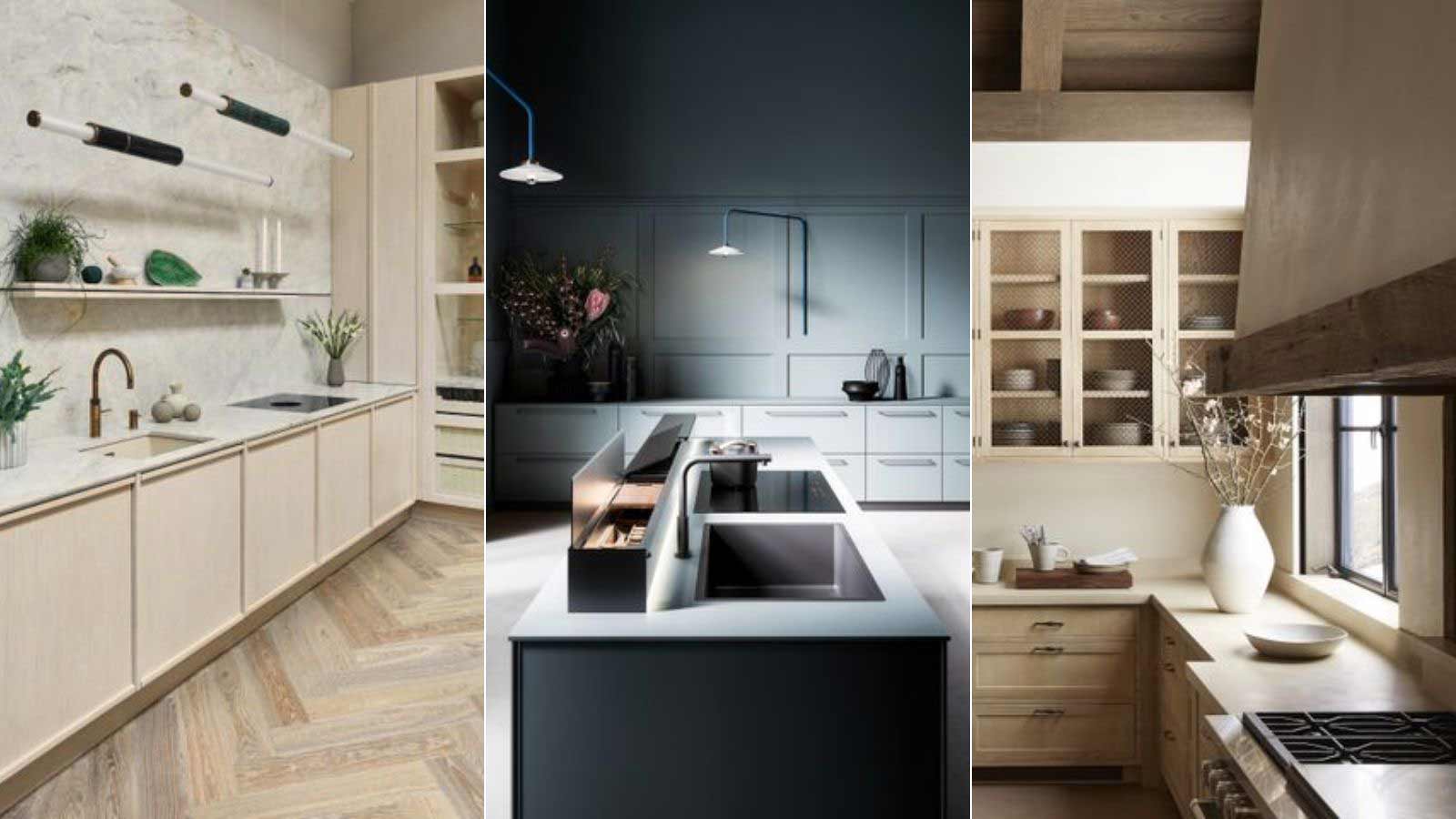
“Minimalist to Maximalist: The Complete Guide to 2025 Dining Aesthetics”
Blurring Boundaries: Bedroom-Bathroom Integration
One of the boldest trends in 2025 is open-concept bed & bath suites. These designs remove traditional boundaries and merge the two spaces into a seamless retreat. Think spa tubs adjacent to sleeping areas, walk-through showers connected to wardrobes, and sliding glass partitions.
While controversial, this integration caters to luxury buyers and wellness seekers who view their bedroom and bathroom as one continuous sanctuary.
Technology as a Silent Partner
Unlike the flashy tech of previous years, 2025 emphasizes invisible technology—solutions that integrate subtly without disrupting aesthetics.
-
Smart Mirrors: Provide weather updates, skincare analysis, and ambient lighting.
-
Invisible Speakers: Built into walls or ceilings for immersive sound without clutter.
-
Climate Control: Zoned systems keep bedrooms cool for sleep while warming bathrooms for morning routines.
-
AI Personalization: Apps track routines and automatically adjust lighting, temperature, and aromatherapy.
Backlinks for Authority
Conclusion of Part 2
Bed and bath spaces in 2025 are not just rooms—they are experiences carefully curated through design, psychology, and sustainability. From Japandi-inspired serenity to high-tech personalization, these trends reveal that comfort is both a science and an art.
In Part 3, we will explore wellness routines, product innovations, and the role of personalization in crafting spaces that adapt to individual lifestyles—making comfort more attainable than ever before.
Personalized Wellness: The New Frontier of Bed & Bath Living
In 2025, bed and bath design goes beyond aesthetics and functionality—it now actively supports personalized wellness. Homeowners are increasingly tailoring their spaces to fit their routines, health needs, and emotional well-being. From AI-driven customization to curated product innovations, the bedroom and bathroom have become wellness hubs that adapt to the individual.
Smart Wellness in the Bedroom
The bedroom remains the most intimate environment for self-care. The shift from “sleep” to “wellness” has redefined what we expect from this space.
-
Sleep Optimization Tools
Sleep technology now integrates seamlessly into the environment:-
Smart beds track and adjust body temperature in real-time.
-
Soundscapes adjust automatically based on heart rate and stress levels.
-
Bedside devices release melatonin-friendly light to encourage natural sleep cycles.
-
-
AI-Driven Climate Control
No more midnight thermostat battles. AI systems learn individual preferences and automatically set the ideal sleep environment, factoring in temperature, humidity, and even air quality. -
Wellness Furniture
Ergonomic furniture, such as adjustable headboards for reading or meditation chairs with lumbar support, has made the bedroom a place for rejuvenation—not just rest.
The Bathroom as a Daily Spa Ritual
Bathrooms are moving far beyond utility. They are now designed as ritual spaces that support both physical and mental recovery.
-
Aromatherapy & Chromotherapy Showers
Smart shower systems infuse essential oils and project mood-based lighting—energizing orange tones in the morning, calming blue at night. -
AI-Enhanced Skincare Routines
Smart mirrors analyze skin conditions and recommend personalized routines, while built-in dispensers deliver the right serums or moisturizers. -
Hydrotherapy & Thermal Healing
Heated stone floors, infrared saunas, and steam showers have entered mainstream homes. These elements, once confined to luxury spas, are now widely accessible.
Product Innovations Defining 2025
Innovation in 2025 is about solving real lifestyle challenges while elevating comfort.
-
Weighted Smart Blankets: Offer deep pressure therapy while monitoring sleep.
-
Zero-Gravity Recliners: Found in bedrooms for stress reduction and circulation improvement.
-
Compact Spa Units: Freestanding bathroom pods offering steam, massage jets, and chromotherapy in smaller homes.
-
Waterless Toilets: A sustainable revolution using advanced composting systems—appealing to eco-conscious homeowners.
The Role of Personalization
One-size-fits-all design is outdated. Personalization has become a defining principle of bed and bath spaces in 2025.
-
Custom Routines: Apps connect sleep data with morning shower settings, ensuring seamless transitions.
-
Material Choices: From organic bamboo sheets to custom-tiled showers, personalization is now about comfort and identity.
-
Sensory Mapping: Designers consider sound, scent, touch, and light preferences unique to each homeowner.
This reflects a larger cultural trend—our homes are not just places to live, but extensions of who we are.
Where Health Meets Technology
Health and technology now converge in the bed & bath experience:
-
Air Quality Monitoring: Bedrooms equipped with purifiers connected to real-time sensors.
-
Hydration Tracking: Smart bathroom faucets that measure daily water intake.
-
Posture Correction: Mattresses that adjust for spinal alignment during sleep.
According to Wellness Institute 2025, 71% of homeowners report improved health outcomes after adopting personalized wellness systems at home.
The Emotional Side of Comfort
Wellness isn’t only physical—it’s emotional. Comfort in 2025 is about creating rituals that restore balance.
-
A cozy reading nook beside the bed supports mindfulness.
-
Warm, soft lighting in bathrooms sets the tone for evening relaxation.
-
Textures—like linen sheets or stone sinks—anchor sensory experiences.
The goal is to cultivate daily rituals that feel indulgent yet necessary.
Backlinks for Authority
Conclusion of Part 3
In 2025, bed and bath spaces have evolved into deeply personal wellness ecosystems. Technology works silently in the background, while design and sensory choices reflect individuality. Together, they create sanctuaries that support physical health, emotional well-being, and environmental responsibility.
Part 4 will bring this journey to a close—covering future predictions, sustainability’s long-term role, FAQs, and a practical guide for homeowners who want to redefine their comfort in 2025 and beyond.
The Future of Bed & Bath: What Comes After 2025
We’ve seen how 2025 redefines bed and bath as sanctuaries of wellness, technology, and sustainability. But the story doesn’t end here. Industry leaders predict that the next decade will bring smarter, more sustainable, and even more personalized experiences—turning these intimate spaces into hubs of holistic living.
1. Predictive Comfort Through AI
Future systems won’t just respond to user behavior; they’ll anticipate it. AI will learn patterns like when you wake, how you shower, or when you read before bed—and create tailored environments automatically.
2. Net-Zero Bathrooms & Bedrooms
With global energy goals accelerating, future homes will include:
-
Water-recycling toilets.
-
Showers that use micro-misting for near-zero water waste.
-
Solar-integrated bedroom lighting systems.
The push toward net-zero living will transform even the most private spaces into eco-friendly models.
3. Health Diagnostics in Everyday Routines
Bathrooms may become mini health clinics. Imagine mirrors that scan skin for vitamin deficiencies, or showers that analyze sweat to monitor hydration and health. Early prototypes already exist, and 2030 could see mass adoption.
4. Global Design Influences
Design will continue to evolve through cultural fusion. African-inspired natural textures, Indian Ayurvedic wellness principles, and Nordic simplicity are beginning to shape global interior concepts.
5. The Rise of Micro-Sanctuaries
As urban living grows denser, compact wellness solutions—such as modular spa pods or foldable smart beds—will make luxury comfort accessible in smaller homes.
FAQ: Everything You Need to Know About Bed & Bath in 2025
Why are bed and bath spaces so important in 2025?
Because they directly influence wellness. From quality sleep to restorative bathing, these spaces now serve as daily health anchors in our lives.
What factors should I consider when redesigning these spaces?
Focus on comfort, sustainability, personalization, and integration of smart technology. Each element should serve your daily routine.
What are the reasons homeowners are investing heavily in these upgrades?
Post-pandemic lifestyles, rising wellness awareness, and demand for eco-friendly living have fueled investments. Comfort has become a form of self-care.
Can you provide a guide for starting a redesign project?
Yes. Start with needs assessment → choose sustainable materials → integrate smart systems → prioritize sensory design (light, sound, texture, scent).
How can I align my home with 2025 wellness trends?
Adopt sleep optimization tools, sustainable water solutions, and biophilic design. Add routines that blend technology with daily rituals.
How to make a small bedroom or bathroom feel like a sanctuary?
Use light colors, mirrors, compact multi-functional furniture, and natural textures. In small bathrooms, opt for walk-in showers with glass dividers.
List of must-have features for 2025 bed & bath upgrades:
-
AI-powered smart beds
-
Circadian lighting
-
Aromatherapy showers
-
Touchless fixtures
-
Organic fabrics and finishes
What role do materials play in creating comfort?
Materials dictate touch and atmosphere. Natural stone, bamboo, linen, and recycled finishes enhance both aesthetics and emotional well-being.
Where should I start: the bedroom or the bathroom?
Experts recommend starting with the bedroom since sleep affects overall health. However, bathrooms can deliver daily wellness rituals.
When is the best time to invest in upgrades?
Industry data suggests 2025–2027 will see price stabilization in smart systems, making this period ideal for homeowners.
Who benefits most from smart wellness spaces?
Everyone—from families seeking energy savings to professionals needing stress reduction. The universality of wellness means these designs benefit all.
Conclusion: Redefining Comfort for a Better Tomorrow
As we conclude this exploration of Bed & Bath in 2025, one truth stands out: comfort has been redefined as a holistic experience. Bedrooms are now sanctuaries of restorative sleep and mental balance. Bathrooms are no longer functional afterthoughts—they are wellness retreats infused with sustainability and technology.
This transformation reflects a deeper cultural shift. We are no longer willing to accept homes that simply shelter us; we expect them to heal, restore, and elevate us. Bed and bath spaces, once overlooked, now stand at the center of this revolution.
Looking ahead, the integration of AI, health diagnostics, and eco-friendly systems promises to make these spaces even more impactful. But the essence remains timeless: the pursuit of comfort, serenity, and wellness.
The ultimate question is not whether these innovations will define the future—but how quickly we will embrace them. For homeowners ready to take the leap, the future of bed and bath comfort begins now.
Backlinks for Authority
Watch & Learn
For a visual tour of the latest bed & bath innovations, watch this curated video:
Top Bed & Bath Trends 2025 – YouTube