


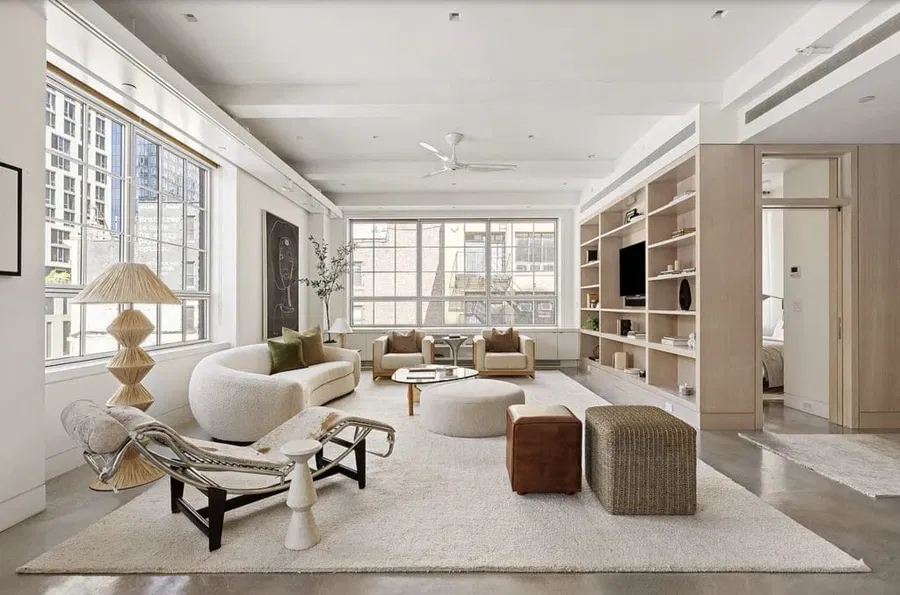
Kickstart Your 2026 DIY Journey: Essential Tools, Materials, and Prep Tips
Embarking on a DIY home décor journey in 2026 is more than just a hobby—it’s an opportunity to personalize your space, save money, and embrace creativity. Whether you’re a beginner or an experienced DIYer, having the right tools, materials, and preparation is crucial for successful projects. This guide provides a comprehensive foundation for turning your home into a stylish, functional haven.
1. Must-Have DIY Tools for 2026
A well-equipped toolkit is the backbone of every successful DIY project. Here’s a breakdown of essential tools you’ll need:
Hand Tools
-
Screwdrivers & Nut Drivers: Versatile and essential for furniture assembly.
-
Hammer & Mallet: For both woodworking and hanging décor.
-
Measuring Tape & Level: Accurate measurements ensure professional results.
-
Utility Knife & Scissors: For cutting materials precisely.
Power Tools
-
Cordless Drill: For drilling, screwing, and small carpentry tasks.
-
Sander: Ensures smooth surfaces for painting or refinishing furniture.
-
Jigsaw or Circular Saw: For cutting wood, MDF, or plywood for custom projects.
Painting & Finishing Tools
-
Brushes, rollers, painter’s tape, drop cloths
-
Sanding sponges and primer for a flawless finish
-
Paint sprayer (optional) for large surfaces
Comparison Table: Essential DIY Tools 2026
| Tool | Best For | Price Range | Recommended Brands | Link |
|---|---|---|---|---|
| Cordless Drill | Furniture, shelves | $80–$200 | DeWalt, Makita, Bosch | DeWalt.com |
| Jigsaw | Wood cutting, curves | $70–$150 | Black+Decker, Bosch | BlackAndDecker.com |
| Sander | Smooth surfaces, painting prep | $50–$120 | Makita, Ryobi | Makita.com |
| Measuring Tape | All DIY projects | $10–$25 | Stanley, Komelon | StanleyTools.com |
| Utility Knife | Cutting materials | $5–$20 | Olfa, X-Acto | Olfa.com |
2. Essential Materials for DIY Home Décor Projects
Choosing the right materials is key for durability, aesthetics, and ease of use:
Wood & Boards
-
Plywood: Versatile for shelves, tables, and decorative panels.
-
MDF: Affordable option for painted projects.
-
Solid Wood: Ideal for long-lasting furniture pieces.
Paints & Finishes
-
Low-VOC Paints: Environmentally friendly and safe for indoor use.
-
Chalk Paint: Perfect for vintage-style furniture projects.
-
Wood Stains & Sealants: Protect and enhance natural textures.
Hardware & Fasteners
-
Screws, nails, brackets, hooks, and drawer slides
-
Drawer knobs, handles, and decorative accents
Decorative Materials
-
Fabrics, ribbons, washi tape, and adhesives
-
Decorative tiles, wallpapers, and peel-and-stick panels

2026-home-decor-trends-in-a-living-room-by-Decorilla-designer
3. Setting Up Your Workspace
A well-organized workspace increases efficiency and safety:
-
Dedicated Area: Clear a room or corner to work without disturbances.
-
Ventilation: Essential for painting and using adhesives.
-
Lighting: Bright, even lighting reduces mistakes and enhances precision.
-
Storage Solutions: Use bins, shelves, and pegboards for tools and materials.
Pro Tip: Lay down drop cloths and wear protective gear (gloves, goggles, masks) for safety and cleanliness.
4. Safety Tips for DIY Projects
2026 DIY projects are exciting, but safety must come first:
-
Always read tool manuals and follow instructions.
-
Wear protective equipment: goggles, gloves, ear protection.
-
Keep children and pets away from active work areas.
-
Store sharp tools and chemicals safely when not in use.
-
Ensure electrical tools are properly grounded and cords are intact.
5. Choosing Projects Based on Skill Level
Start with projects suited to your experience and gradually increase complexity:
Beginner-Friendly Projects
-
Wall shelves, picture frames, decorative planters
-
Small furniture refinishing or painting projects
-
Simple storage hacks for closets and cabinets
Intermediate Projects
-
Accent furniture like coffee tables or ottomans
-
Custom headboards or wall paneling
-
Kitchen or bathroom organization solutions
Advanced Projects
-
Built-in shelves, cabinets, or room dividers
-
Upcycling old furniture into new statement pieces
-
Complex carpentry or painting techniques with finishing details
6. Budgeting for DIY Décor Projects in 2026
-
Plan & List: List all materials and tools needed for each project.
-
Set a Limit: Allocate a budget per room or per project.
-
Track Expenses: Keep receipts and monitor costs to avoid overspending.
-
DIY vs. Pre-Made: Calculate if DIY saves money or adds value to your home.
Comparison Table: DIY vs. Pre-Made Décor (Example: Floating Shelf)
| Project | DIY Cost | Pre-Made Cost | Time Required | Customization | Durability |
|---|---|---|---|---|---|
| Floating Shelf | $25–$50 | $80–$120 | 2–3 hours | High | High |
| Picture Frame | $5–$15 | $25–$40 | 30–45 min | High | Medium |
| Small Coffee Table | $50–$100 | $150–$250 | 4–6 hours | High | High |
7. 2026 DIY Home Décor Trends
-
Sustainable Materials: Recycled wood, bamboo, and eco-friendly paints.
-
Minimalist & Functional Designs: Less clutter, more utility.
-
Upcycling & Repurposing: Transform old items into stylish décor.
-
Smart DIY Projects: Integrating LED lighting, voice-activated devices, or modular designs.
-
Natural Elements: Plants, stone textures, and organic materials for a cozy, biophilic touch.
Conclusion of Part 1
By preparing the right tools, materials, and workspace, and understanding safety, budgeting, and skill-appropriate projects, you are ready to start your DIY home décor journey in 2026. Proper preparation ensures successful, stylish, and satisfying projects that transform your home while reflecting your creativity.
2025 Home Décor Shopping Made Easy: Expert Buying Guides for Every Style
1. Living Room DIY Projects
A. Floating Shelves
Materials: Plywood or MDF, brackets, screws, paint or stain
Steps:
-
Measure wall space and mark shelf placement.
-
Cut wood to size and sand edges.
-
Paint or stain wood, let it dry.
-
Mount brackets securely to wall studs.
-
Place shelf and check for level alignment.
Pro Tip: Use hidden brackets for a clean, modern look.
Cost Comparison:
| Item | DIY | Pre-Made | Time | Customization |
|---|---|---|---|---|
| Floating Shelf | $25–$50 | $80–$120 | 2–3 hours | High |
B. DIY Wall Art
Materials: Canvas, acrylic paints, stencils, painter’s tape
Steps:
-
Plan design or select a stencil pattern.
-
Prep canvas with primer if needed.
-
Apply base colors and let dry.
-
Add designs using stencils or freehand painting.
-
Seal with a clear coat for longevity.
Pro Tip: Use metallic or textured paints for a 2026 modern touch.
C. Upcycled Coffee Table
Materials: Old wooden table, sandpaper, paint/stain, new hardware (optional)
Steps:
-
Sand old table to remove scratches and rough edges.
-
Apply primer and paint or stain.
-
Replace hardware or add decorative accents.
-
Seal with clear varnish for durability.
DIY vs. Pre-Made:
| Table | DIY | Pre-Made | Time | Customization |
|---|---|---|---|---|
| Coffee Table | $50–$100 | $150–$250 | 4–6 hours | High |
2. Bedroom DIY Projects
A. Custom Headboard
Materials: Plywood, foam, batting, fabric, staples
Steps:
-
Cut plywood to desired headboard size.
-
Attach foam to plywood using spray adhesive.
-
Wrap foam with batting and fabric, staple at the back.
-
Mount headboard to bed frame or wall.
Pro Tip: Add tufted buttons for a luxurious look.
B. Storage & Organization Hacks
Projects:
-
Floating nightstands using small shelves
-
Under-bed storage drawers or rolling bins
-
DIY closet dividers and label boards
Cost Comparison:
| Storage Hack | DIY | Pre-Made | Time | Customization |
|---|---|---|---|---|
| Under-bed Drawers | $20–$40 | $80–$120 | 1–2 hours | High |
| Floating Nightstand | $30–$60 | $100–$180 | 2–3 hours | High |
C. Decorative Accents
-
DIY throw pillow covers
-
Painted vases or planters
-
Handmade wall macramé
Pro Tip: Incorporate seasonal trends like pastel shades or natural textures for 2026 décor.
3. Kitchen & Dining DIY Projects
A. Pull-Out Pantry Organizer
Materials: Plywood, drawer slides, screws
Steps:
-
Measure pantry space accurately.
-
Cut plywood for drawers and frame.
-
Attach drawer slides and assemble the pull-out system.
-
Install in pantry and adjust for smooth sliding.
Pro Tip: Use clear containers for visibility and easy access.
B. DIY Countertop Décor
-
Tile coasters, small herb garden planters, or decorative trays
-
Use epoxy or resin for custom countertop art pieces
DIY vs. Pre-Made:
| Project | DIY | Pre-Made | Time | Customization |
|---|---|---|---|---|
| Herb Planters | $10–$25 | $30–$60 | 1 hour | High |
| Resin Tray | $25–$50 | $60–$120 | 2–3 hours | High |
C. Wall Storage Solutions
-
Pegboards for kitchen tools
-
Floating spice racks
-
Magnetic knife holders
Pro Tip: Combine functionality and style with 2026 trending colors like muted pastels or natural wood tones.
4. Bathroom & Laundry DIY Projects
A. Easy Storage & Décor
-
Wall-mounted shelves for towels and toiletries
-
Mason jar organizers for cotton balls, soaps, or brushes
-
Floating laundry bins with labels
B. Simple Upgrades
-
Painted cabinets for a fresh look
-
Peel-and-stick tiles for backsplash updates
-
DIY mirrors with decorative frames
DIY vs. Pre-Made:
| Bathroom Project | DIY | Pre-Made | Time | Customization |
|---|---|---|---|---|
| Floating Shelves | $20–$40 | $60–$120 | 1–2 hours | High |
| Painted Cabinets | $15–$50 | $100–$200 | 2–3 hours | High |
5. Tips for Successful DIY Projects
-
Plan & Prepare: Always measure, list materials, and visualize the finished product.
-
Start Small: Begin with simple projects before attempting advanced carpentry or complex designs.
-
Follow Tutorials: Use YouTube or DIY blogs for step-by-step guidance.
-
Track Time & Budget: Avoid overspending and rushing projects.
-
Incorporate Trends: Sustainable materials, modular designs, and natural textures for 2026.
Conclusion of Part 2
These room-by-room DIY projects provide a practical, hands-on approach to transforming your home in 2026. By following step-by-step instructions, choosing the right materials, and comparing DIY vs. pre-made options, you can save money, personalize your space, and create stunning décor that lasts.

2025 Home Décor Shopping Made Easy: Expert Buying Guides for Every Style
1. Advanced DIY Techniques
A. Painting & Finishing Techniques
-
Ombre Walls: Gradually blend colors for a modern gradient effect.
-
Textured Finishes: Use sponges, combs, or brushes for tactile surfaces.
-
Distressing & Antiquing: Create vintage-style furniture with sanding and dark wax.
Pro Tip: Test techniques on a small surface before applying to full furniture or wall.
B. Upcycling & Repurposing
-
Old Furniture → New Statement Pieces: Sand, paint, or reupholster old chairs and tables.
-
Glass Jars & Bottles: Convert into lamps, planters, or kitchen storage.
-
Wood Pallets: Turn into coffee tables, shelving units, or garden décor.
C. Carpentry for DIYers
-
Building custom shelving, cabinets, or room dividers
-
Combining wood, metal, and glass for unique designs
-
Use jigs, clamps, and guides for precise cuts and alignment
Pro Tip: Safety is crucial—always wear protective goggles, gloves, and dust masks.
2. Seasonal DIY Décor Projects
A. Spring & Summer
-
Hanging planters, macramé wall art, bright throw pillows
-
DIY outdoor furniture upgrades using waterproof paints and sealants
B. Fall & Winter
-
Rustic wood signs, candle holders, and wreaths
-
Fabric and textile projects: blankets, table runners, pillow covers
Pro Tip: Use reusable and eco-friendly materials to align with 2026 sustainability trends.
3. Troubleshooting Common DIY Issues
-
Uneven Paint or Finish: Sand lightly and apply primer before repainting.
-
Furniture Wobble: Check screws, add brackets, or reinforce joints.
-
Material Shortages: Measure twice, cut once, and keep extra materials on hand.
-
Tool Malfunctions: Maintain tools regularly; read manuals and troubleshoot minor issues early.
4. Expert Tips for DIY Mastery
-
Plan Projects in Phases: Divide large projects into small, manageable steps.
-
Use Quality Materials: Even simple projects benefit from durable, sustainable materials.
-
Document & Learn: Take photos before, during, and after projects to improve skills.
-
Blend Functionality & Aesthetics: Every DIY item should be beautiful and practical.
-
Leverage Online Resources: YouTube, blogs, and Pinterest provide tutorials, trends, and inspiration.
5. DIY vs. Professional Help
| Project Type | DIY Difficulty | Cost Saving | Professional Advantage | 2026 Trend Fit |
|---|---|---|---|---|
| Wall Shelves | Easy | High | Precision & speed | Moderate |
| Built-in Cabinets | Advanced | Medium | Custom fit & longevity | High |
| Accent Furniture | Intermediate | High | Complex design | High |
| Lighting Upgrades | Easy–Intermediate | Medium | Electrical safety | High |
Pro Tip: Use DIY for customization and cost-saving; call professionals for safety-critical or large-scale installations.
6. FAQ Section
Q1: How do I choose the right DIY project for my skill level?
A: Start with beginner-friendly projects (shelves, planters) and gradually try intermediate (tables, cabinets) before advanced projects (built-ins, complex carpentry).
Q2: Why is prep important for painting and furniture projects?
A: Proper preparation ensures smooth finishes, durability, and a professional look. Sanding, priming, and measuring prevent common mistakes.
Q3: How can I incorporate 2026 décor trends in DIY projects?
A: Use sustainable materials, modular designs, natural textures, and pastel or earthy tones to align with current trends.
Q4: Where can I find affordable materials for DIY projects?
A: Local hardware stores, online retailers like Home Depot, Lowe’s, and eco-friendly suppliers like EcoHome provide quality options.
Q5: What are common mistakes DIYers make?
A: Rushing projects, ignoring measurements, using low-quality tools, skipping safety precautions, and neglecting proper finishes.
Q6: How do I safely upcycle old furniture?
A: Sand thoroughly, remove old paint, use low-VOC or water-based paints, and wear protective gear.
Q7: How long do DIY projects usually take?
A: Simple projects: 1–3 hours, intermediate: 4–6 hours, advanced: multiple days or phased over weeks. Plan according to your schedule.
Q8: Who can I consult for advanced DIY guidance?
A: Online tutorials, local DIY workshops, makerspaces, or professional interior designers for mentorship.
Q9: What tools are worth investing in for long-term DIY?
A: Cordless drills, quality saws, sanders, multi-tools, and ergonomic hand tools for durability and efficiency.
Q10: How do I maintain completed DIY décor?
A: Clean regularly according to material type, avoid direct sunlight for sensitive finishes, and inspect joints or hardware periodically.
7. Actionable Takeaways for DIY Success in 2026
-
Plan Before You Build: Accurate measurements, material lists, and step-by-step planning prevent errors.
-
Start Small, Scale Up: Build confidence with simple projects before tackling complex ones.
-
Prioritize Quality & Sustainability: Invest in durable, eco-friendly materials.
-
Blend Style & Function: Ensure every piece is both practical and visually appealing.
-
Learn Continuously: Watch tutorials, read guides, and document your projects to improve skills.
Conclusion of Part 3
By mastering advanced techniques, integrating seasonal and sustainable décor, and following expert tips, you can turn any space into a personalized masterpiece. With 2026 DIY trends, careful planning, and creativity, your home can reflect style, functionality, and uniqueness while saving money and embracing eco-conscious choices.