


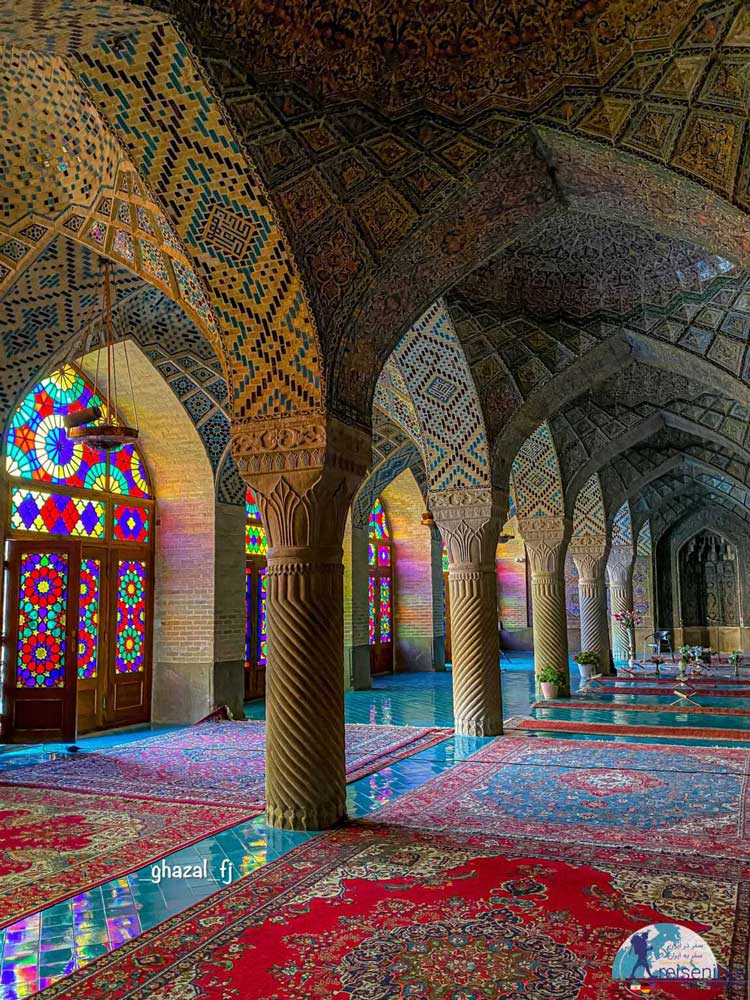
Timeless Iran: Exploring Traditional Architecture and Historic Home Decoration
Iranian architecture and home decoration are testaments to a civilization that spans millennia, blending art, culture, and functionality. From ancient Persian palaces to traditional rural homes, every structure reflects regional materials, climate adaptation, religious beliefs, and artistic excellence.
This article explores the rich history of Iranian architecture and interior decoration, highlighting traditional building techniques, decorative arts, and the enduring influence of Persia’s aesthetic heritage.
Part 1: Historical Overview of Iranian Architecture
Iranian architecture dates back over 5,000 years, evolving through multiple periods:
-
Elamite and Median Periods (2700–550 BCE)
-
Early use of mud-brick structures.
-
Fortified cities with defensive walls.
-
Decorative elements included simple geometric motifs.
-
-
Achaemenid Empire (550–330 BCE)
-
Famous for Persepolis and grand palaces.
-
Use of columns, terraces, and ceremonial halls.
-
Decorative features included reliefs depicting royalty and myths.
-
-
Parthian and Sassanian Periods (247 BCE–651 CE)
-
Innovations in vaults, domes, and iwans.
-
Introduction of stone carvings and stucco decorations.
-
Sassanian influence on later Islamic architecture.
-
-
Islamic Era (7th century onwards)
-
Mosques, madrasas, and caravanserais became central architectural forms.
-
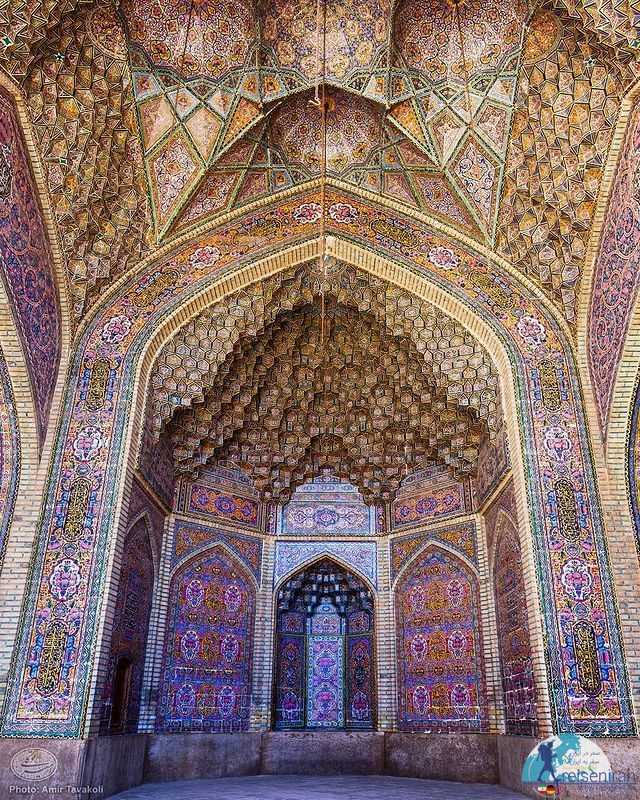
Development of Muqarnas (stalactite decorations) and tile work.
-
Regional styles like Isfahani, Shirazi, and Kermani emerged.
-
-
Qajar and Pahlavi Eras (1789–1979)
-
Fusion of European styles with Persian motifs.
-
Palaces and mansions featured colorful tiles, mirrored halls, and ornate woodwork.
-
Part 2: Key Elements of Traditional Iranian Architecture
1. Materials
-
Mud-brick and adobe – common in desert regions.
-
Stone and baked brick – used in Northern Iran and mountainous areas.
-
Wood – carved for doors, windows, and ceilings in humid climates.
-
Tile and stucco – decorative and functional.
2. Spatial Design
-
Courtyard homes (Hashti & Howz) – central open spaces for ventilation.
-
Iwan – vaulted hall opening onto a courtyard, symbolizing grandeur.
-
Windcatchers (Badgir) – natural cooling system for desert homes.
3. Decorative Techniques
-
Stucco reliefs – intricate plaster designs on walls and ceilings.
-
Tile mosaics – colorful patterns depicting floral, geometric, and calligraphic motifs.
-
Wood carving – ornate doors, windows, and ceiling panels.
-
Mirrorwork (Ayeneh Kari) – reflective interior decorations in palaces.
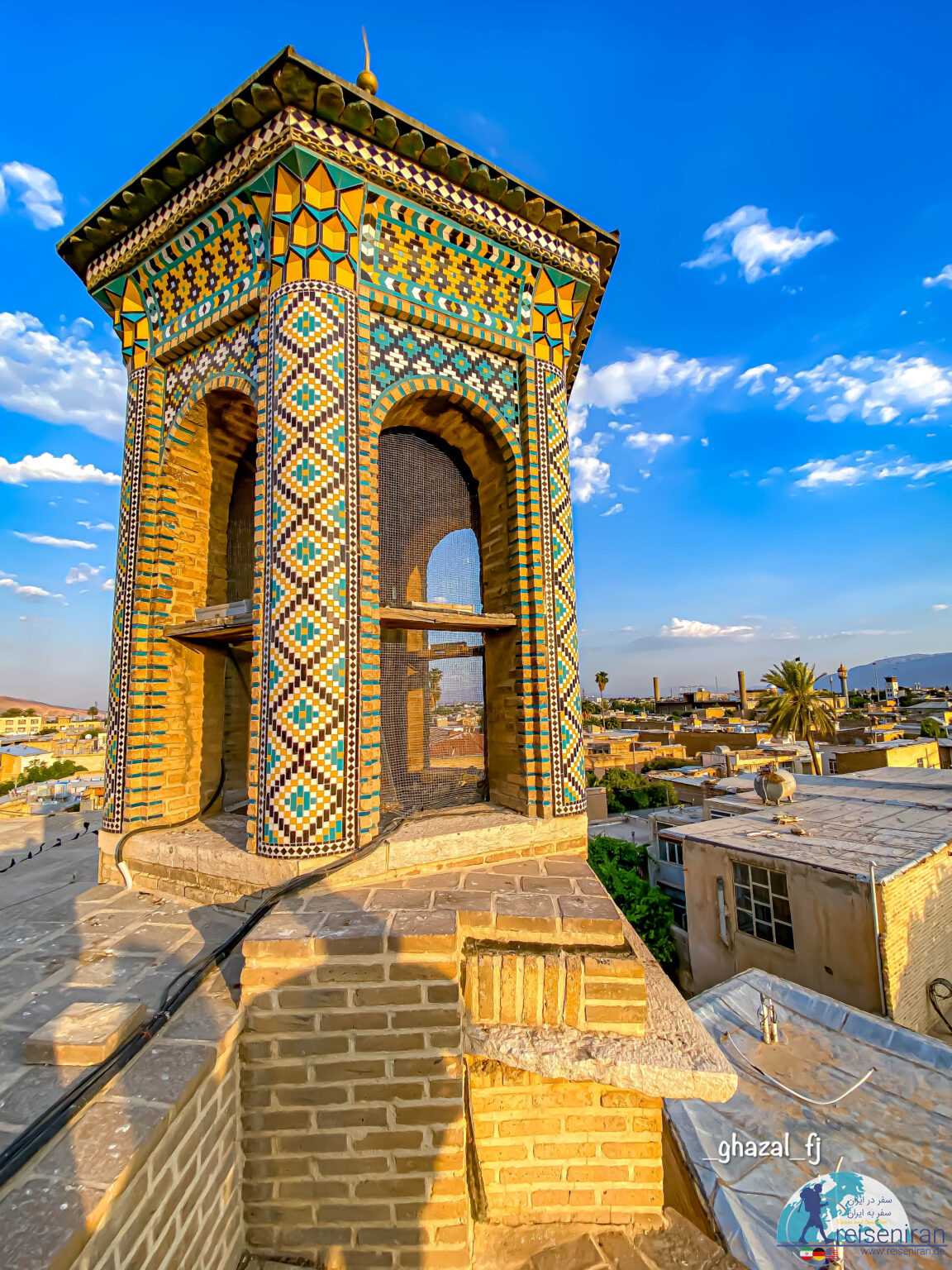
Historic Iranian Architecture: From Ancient Palaces to Traditional Homes
Table 1: Common Materials and Decorative Features in Traditional Iranian Homes
| Material | Region | Decorative Use | Durability | Notable Example |
|---|---|---|---|---|
| Mud-brick | Central & Eastern Iran | Walls, courtyards | Medium | Yazd historic homes |
| Stone | Northern & Mountainous | Foundations, walls | High | Masuleh village |
| Wood | Northern Iran | Ceilings, doors, lattices | Medium | Gilan traditional houses |
| Tile | Nationwide | Façades, interiors | High | Shah Mosque, Isfahan |
| Stucco | Central Iran | Wall and ceiling decoration | Medium | Fin Garden, Kashan |
Part 3: Regional Styles of Iranian Architecture
1. Isfahani Style
-
Symmetrical layouts with central courtyards.
-
Ornate tile work, colorful domes, and gardens.
2. Shirazi Style
-
Use of red bricks and plaster.
-
Emphasis on verandas and garden integration.
3. Kermani & Yazdi Style
-
Desert-adapted homes with wind towers and thick walls.
-
Functional courtyards for temperature control.
4. Caspian/Northern Style
-
Wooden structures for humid climate adaptation.
-
Sloped roofs and intricate wood carvings.
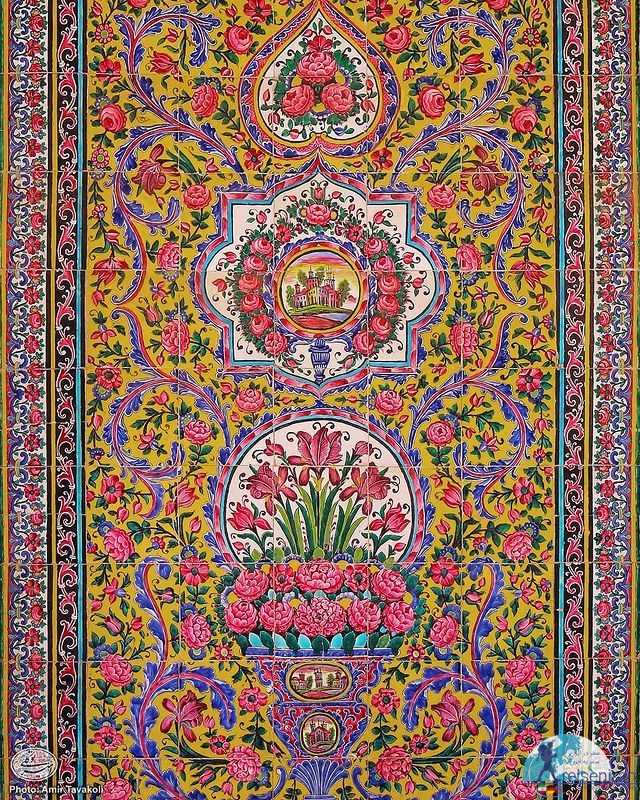
Historic Iranian Architecture: From Ancient Palaces to Traditional Homes
Historic Persian Gardens and Landscaping
One of the most iconic elements of Iranian architecture is the Persian garden, which combines nature, aesthetics, and spiritual symbolism. These gardens are designed as microcosms of paradise, reflecting balance, symmetry, and careful integration with surrounding architecture.
1. Design Principles of Persian Gardens
Persian gardens traditionally follow the Chahar Bagh (Fourfold) layout, dividing space into four quadrants with pathways and water channels intersecting at the center. Key principles include:
-
Symmetry and Geometry: Precise alignment of plants, paths, and fountains.
-
Water Features: Pools, fountains, and channels for cooling and visual appeal.
-
Shade and Seating: Tall trees and pergolas provide comfort in hot climates.
-
Integration with Architecture: Gardens often complement courtyards, palaces, or mosques.
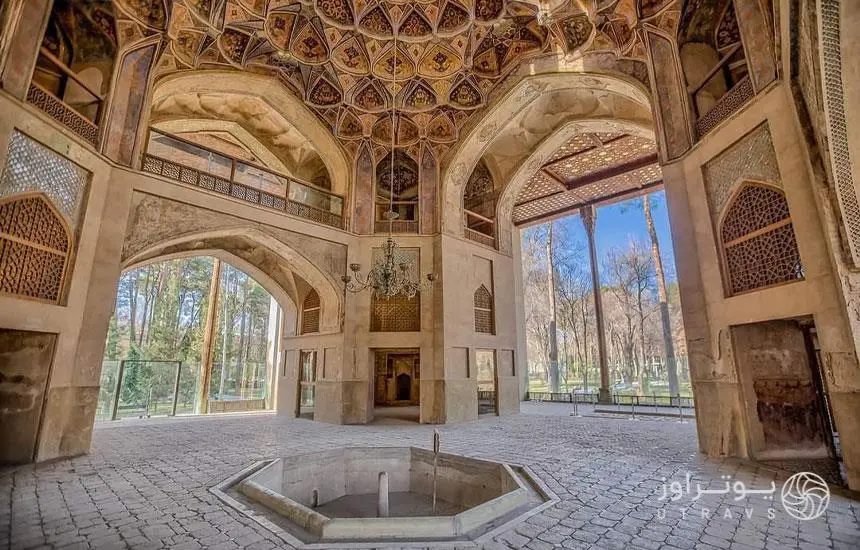
Famous examples include Fin Garden (Kashan), Shah Goli (Tabriz), and Eram Garden (Shiraz).
2. Plant Selection
Plants are chosen not only for aesthetics but also for climate adaptation and symbolism:
-
Cypress Trees: Represent immortality.
-
Fruit Trees (pomegranate, orange, and apricot): Provide shade and seasonal color.
-
Flowers (roses, jasmine, tulips): Add fragrance and visual delight.
-
Herbs (mint, basil): Used for culinary purposes and scent.
Table 1: Key Features of Historic Persian Gardens
| Feature | Purpose | Example | Symbolism |
|---|---|---|---|
| Chahar Bagh Layout | Symmetry, paradise representation | Fin Garden, Kashan | Fourfold order |
| Central Pool | Reflection & cooling | Eram Garden, Shiraz | Purity & serenity |
| Tall Trees | Shade & verticality | Cypress in Persian gardens | Immortality |
| Flower Beds | Fragrance & decoration | Shah Goli, Tabriz | Beauty & refinement |
| Water Channels | Irrigation & aesthetics | Many historic gardens | Life & abundance |
3. Architectural Integration
Persian gardens are rarely isolated; they are integrated with residential and religious architecture:
-
Palaces: Garden courtyards extend indoor spaces for leisure and gatherings.
-
Mosques and Madrasas: Gardens create spiritual tranquility.
-
Caravanserais: Resting areas with shaded greenery and water features.
The combination of architecture and landscaping ensures functional beauty, climate control, and symbolic meaning.
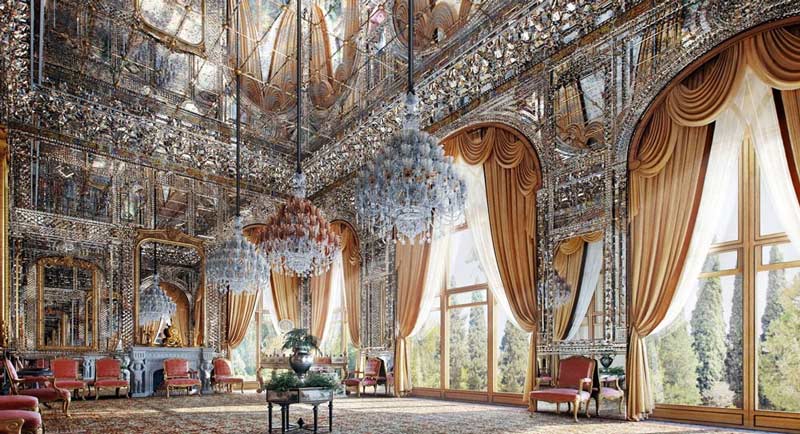
Iranian Home Decor Through the Ages: A Guide to Traditional Design
4. Influence on Modern Landscaping
Persian garden principles continue to influence contemporary Iranian homes:
-
Private terraces and rooftop gardens adopt Chahar Bagh-inspired layouts.
-
Indoor water features and courtyard greenery emulate traditional aesthetics.
-
Use of native plants reduces water consumption while maintaining cultural identity.
5. Innovation in Preservation
Modern restoration projects balance heritage preservation with technology:
-
Smart irrigation preserves historic plants.
-
LED and solar lighting enhances nighttime beauty without damaging structures.
-
3D scanning and modeling document gardens for future restoration.
These innovations ensure that Persian gardens remain vibrant and sustainable in the 21st century.
Iranian Home Decor Through the Ages: A Guide to Traditional Design
Decorative Arts — Tiles, Carpets, and Calligraphy in Iranian Homes
Iranian interior decoration is world-renowned for its rich artistry and symbolism. Historic homes, palaces, and religious spaces showcase centuries of craftsmanship through tiles, carpets, woodwork, and calligraphy, blending function and beauty.
1. Persian Tiles (Kashi)
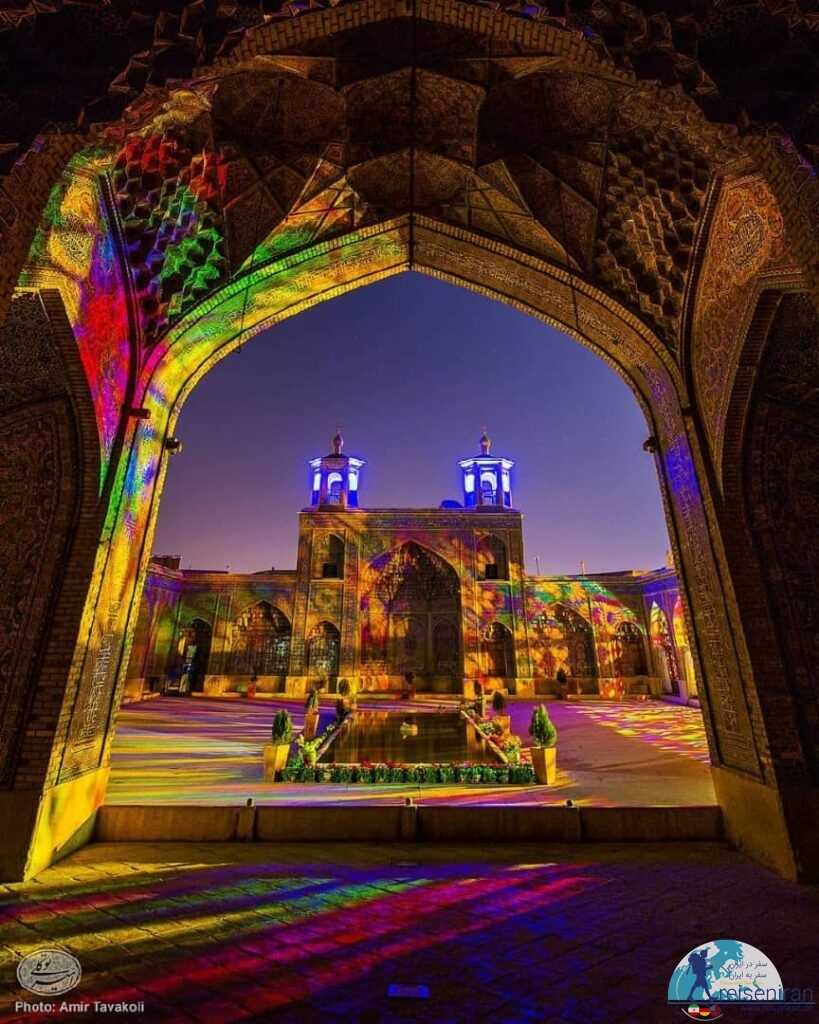
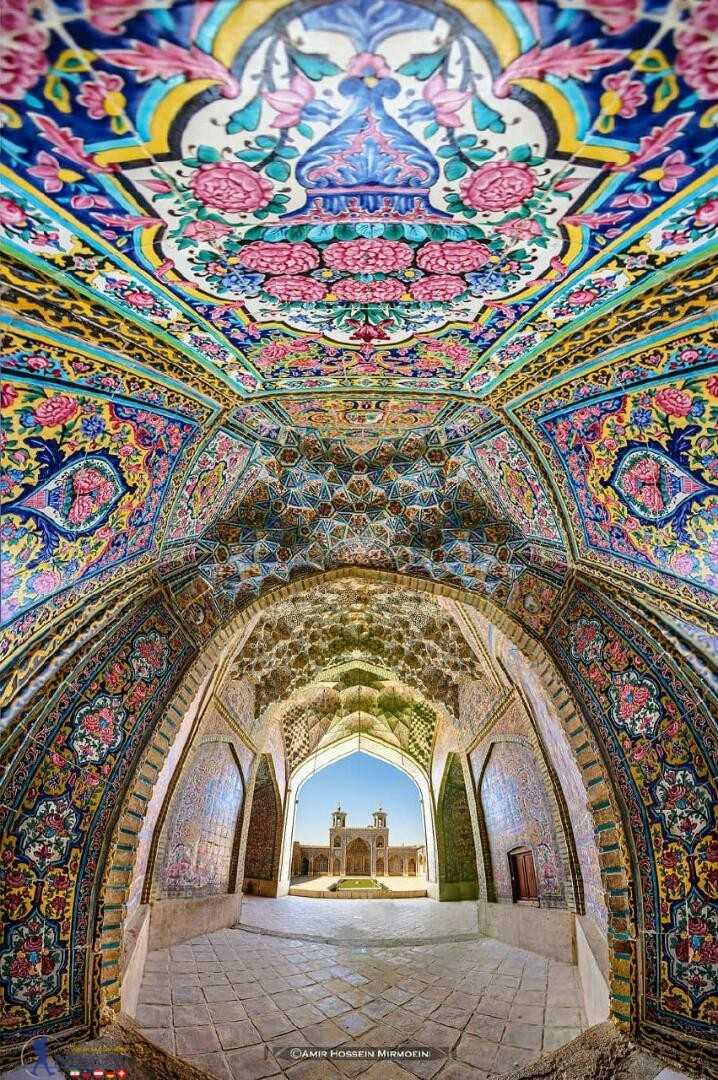
Tilework (Kashi) is one of the most recognizable elements of Iranian architecture. It decorates mosques, palaces, and residential interiors, combining vibrant colors with intricate geometric and floral patterns.
Key Features:
-
Colors: Blues, turquoises, golds, and whites dominate traditional tilework.
-
Patterns: Floral motifs (like arabesques), geometric designs, and calligraphic inscriptions.
-
Techniques:
-
Mosaic Faience: Small pieces of colored tiles arranged in patterns.
-
Cuerda Seca: Uses wax lines to separate colors during firing.
-
Relief Tiles: Three-dimensional tiles for depth and texture.
-
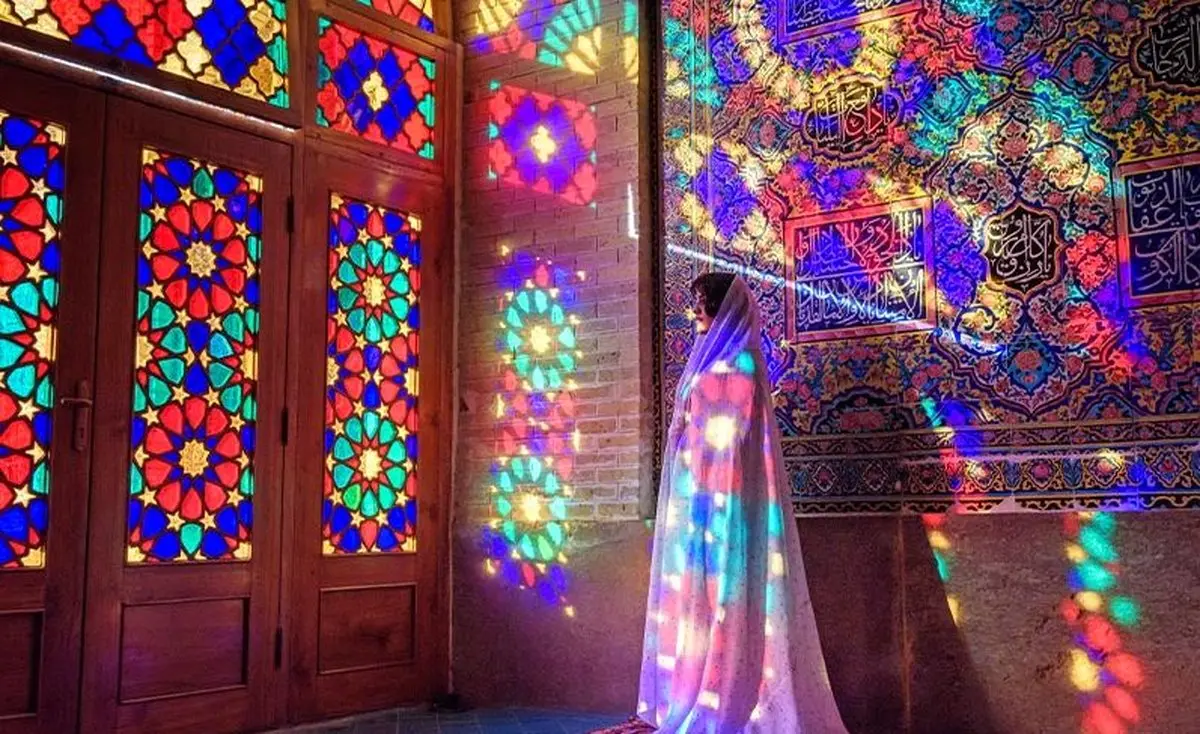
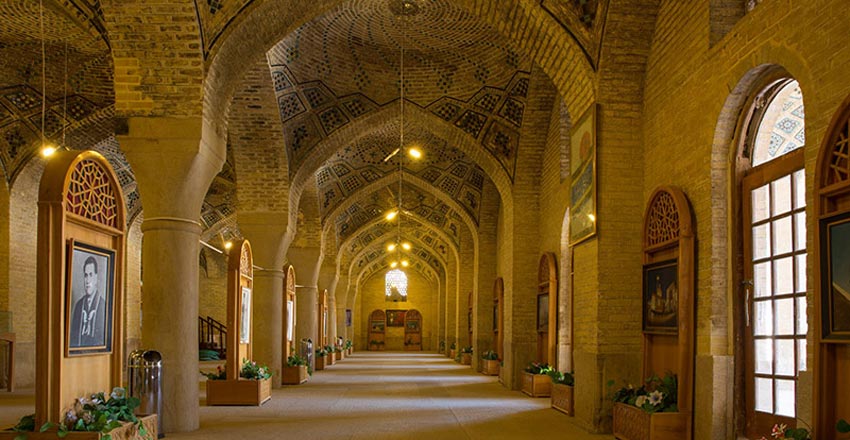
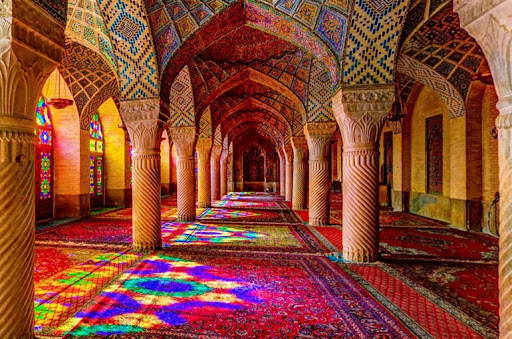
Famous examples include Shah Mosque in Isfahan and Nasir al-Mulk Mosque in Shiraz.
Table 1: Types of Traditional Iranian Tiles
| Tile Type | Technique | Typical Use | Iconic Example |
|---|---|---|---|
| Mosaic Faience | Small colored pieces | Mosque interiors, walls | Shah Mosque, Isfahan |
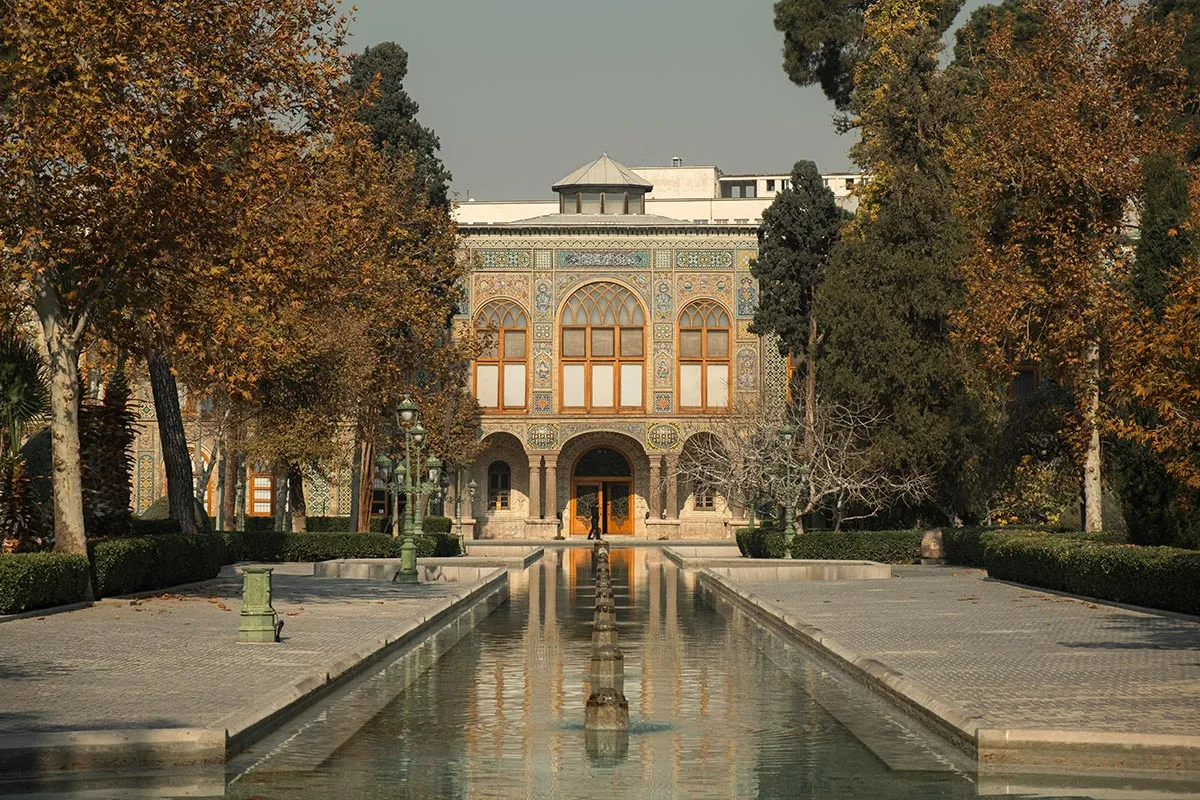
| Cuerda Seca | Wax-separated colors | Palaces, public buildings | Golestan Palace, Tehran |
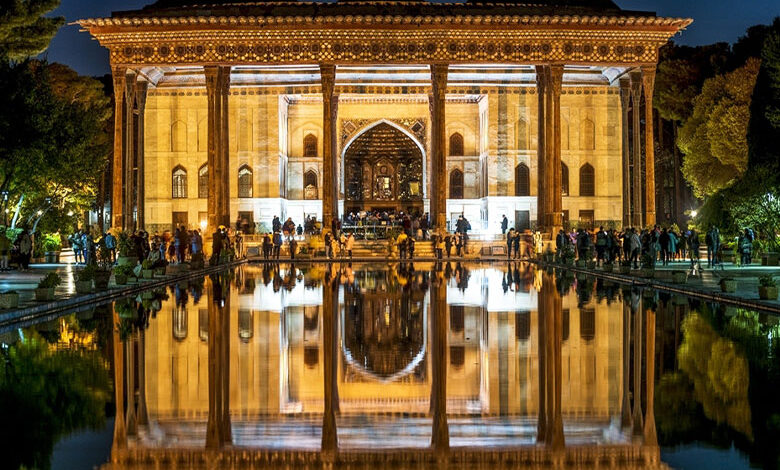
| Relief Tiles | Raised patterns | Courtyards, fountains | Chehel Sotoun, Isfahan |
| Luster Tiles | Metallic sheen | Shrines, tombs | Imam Reza Shrine, Mashhad |
2. Persian Carpets (Farsh)
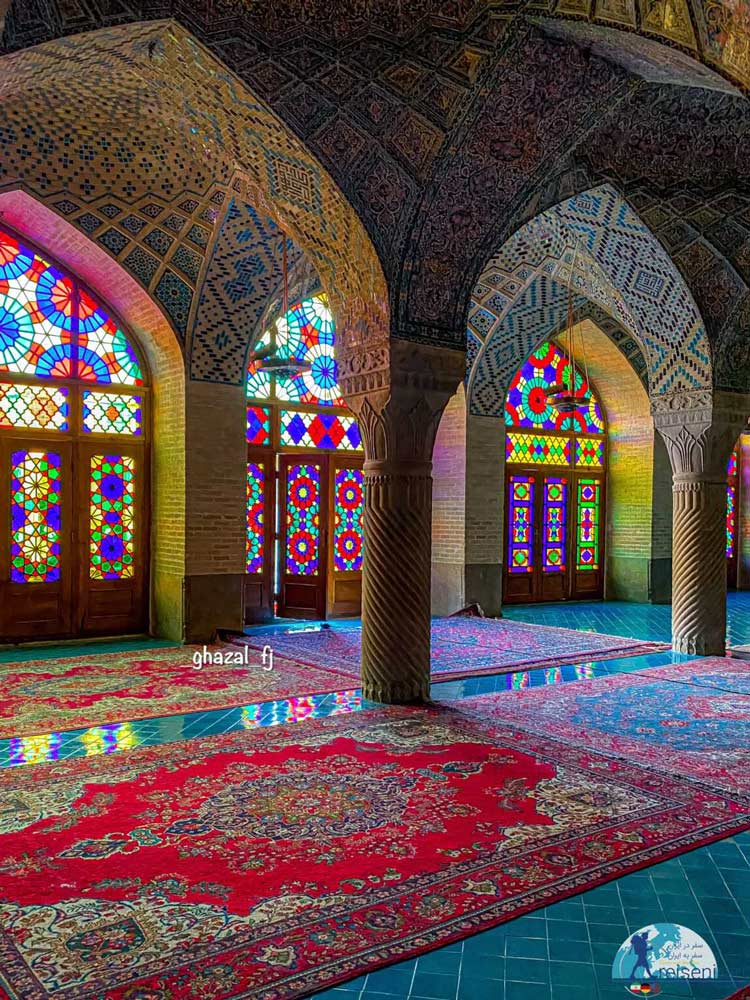
Persian carpets are not just floor coverings; they are works of art that reflect local culture, tribal identity, and storytelling.
Key Features:
-
Materials: Wool, silk, cotton, or a blend.
-
Knot Types: Persian (Senneh) knots are standard for high-quality rugs.
-
Designs:
-
Medallion Rugs: Central motif with elaborate borders.
-
Tribal Rugs: Geometric patterns reflecting nomadic life.
-
Floral Rugs: Stylized flowers and vines in repeating motifs.
-
Iranian Home Decor Through the Ages: A Guide to Traditional Design
Table 2: Regional Carpet Styles in Iran
| Region | Style | Materials | Iconic Use |
|---|---|---|---|
| Tabriz | Medallion & floral | Silk & wool | Palaces, high-end homes |
| Kashan | Floral & geometric | Wool & silk | Mansions, museums |
| Kerman | Soft floral patterns | Silk blends | Traditional homes, mosques |
| Qom | Fine silk rugs | Silk | Luxury interiors |
| Baluch | Tribal, geometric | Wool | Rural homes, tents |
3. Calligraphy and Wall Art
Persian calligraphy adorns walls, domes, and doors, merging language with art. The primary scripts include:
-
Nasta’liq: Elegant, flowing script used in poetry and private residences.
-
Thuluth: Bold script for mosques and public buildings.
-
Kufic: Angular, historic script often used in tiles and inscriptions.
Calligraphy is often integrated with tilework, wood carving, and plaster reliefs, creating a holistic decorative experience.
4. Woodwork and Mirrorwork (Ayeneh Kari)
-
Wood Carving: Doors, windows, and ceilings are intricately carved, often with geometric and floral motifs.
-
Mirrorwork: Palaces and wealthy homes feature mirrored halls reflecting light and creating a sense of opulence.
-
Stucco and Plaster Relief: Embellishes ceilings and walls with detailed patterns and arabesques.
5. Influence on Modern Home Decoration
Traditional Iranian decorative arts continue to inspire modern interior design:
-
Tile patterns are adapted to kitchens, bathrooms, and feature walls.
-
Persian rugs remain central pieces in contemporary living rooms.
-
Calligraphy art is used in minimalist frames and wall decals.
-
Mirrorwork inspiration appears in luxury furniture and lighting.
6. Table 3: Decorative Elements in Modern Iranian Interiors
| Element | Traditional Use | Modern Adaptation | Materials |
|---|---|---|---|
| Tiles | Mosques, palaces | Kitchen & bathroom feature walls | Ceramic, porcelain |
| Carpets | Floors in homes & mosques | Living room, office décor | Wool, silk, blends |
| Calligraphy | Religious & poetic inscriptions | Wall art & décor panels | Ink, tiles, prints |
| Mirrorwork | Palace interiors | Furniture accents, chandeliers | Glass, mirrors |
| Stucco Relief | Walls & ceilings | Wall panels, ceilings | Plaster, gypsum |
Primary Keywords: Traditional Iranian architecture, Persian home decoration, historic Iranian interiors
Long-Tail Keywords: Persian tilework and design, Iranian carpet history, calligraphy in Persian homes, Ayeneh Kari mirrorwork Iran
Iranian Home Decor Through the Ages: A Guide to Traditional Design
Traditional Furniture and Home Interiors of Iran
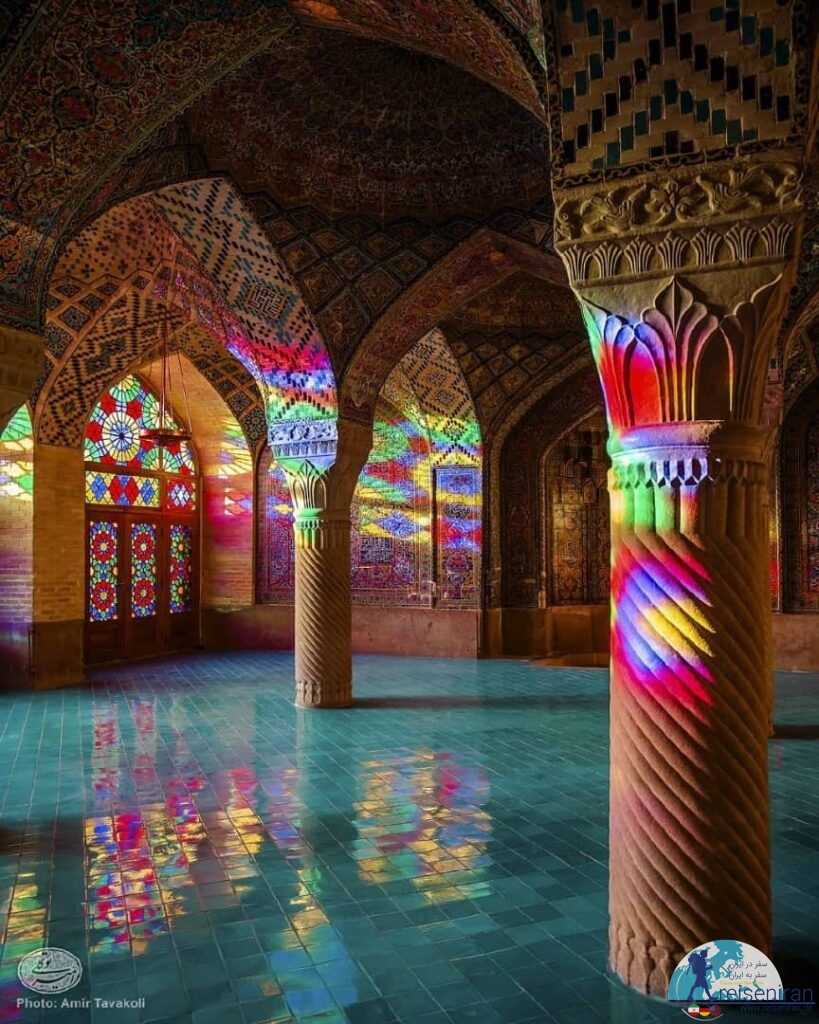
Traditional Iranian furniture reflects a blend of functionality, artistry, and cultural symbolism. From the palaces of Isfahan to rural homes in Yazd and Kerman, furniture design varies by region, material, and social status, yet always emphasizes craftsmanship and aesthetic harmony.
1. Key Materials in Traditional Furniture
Iranian furniture incorporates locally available materials that suit the climate and design requirements:
-
Wood: Walnut, teak, and cypress are widely used in northern and central regions.
-
Metal: Brass, bronze, and wrought iron appear in decorative inlays and structural elements.
-
Textiles: Handwoven fabrics, silk, and embroidered cushions are central to seating arrangements.
-
Stone and Tile: Used for tables, hearths, and decorative accents.
These materials balance durability, beauty, and cultural identity, making furniture both practical and artistic.
2. Regional Furniture Styles
Northern Iran (Caspian & Gilan)
-
Heavy wooden furniture with intricate carvings.
-
Elevated platforms for seating to avoid damp floors.
-
Brightly colored cushions and textiles for warmth and visual contrast.
Central Iran (Isfahan, Kashan, Yazd)
-
Low seating arrangements with cushions (takht) around carpets.
-
Tables often inlaid with metal, stone, or tile work.
-
Decorative cupboards and chests with painted or carved surfaces.
Southern Iran (Fars, Kerman)
-
Carved wooden wardrobes and storage chests.
-
Furniture decorated with geometric and floral motifs.
-
Emphasis on portable furniture for climate adaptability.
3. Iconic Furniture Pieces
-
Takht (Low Seating Platform)
-
Cushioned platforms for social gatherings and dining.
-
Often decorated with embroidered fabrics or silk covers.
-
-
Sanduq (Storage Chest)
-
Wooden chests with carved motifs for storing valuables, clothes, and textiles.
-
Functional and decorative, often featuring mother-of-pearl or metal inlays.
-
-
Chowkhi (Low Table)
-
Short tables used for meals or tea ceremonies.
-
Frequently inlaid with tile or brass designs.
-
-
Mimbar & Divans
-
Elevated seating for special occasions or guest reception in large homes.
-
Decorated with mirrored panels and luxurious fabrics.
-
Iranian Home Decor Through the Ages: A Guide to Traditional Design
Table 1: Traditional Furniture and Their Features
| Furniture Piece | Function | Material | Decorative Technique | Region |
|---|---|---|---|---|
| Takht | Seating | Wood, textile cushions | Embroidery, painting | Central Iran |
| Sanduq | Storage | Wood, metal | Carving, inlay | Southern & Central Iran |
| Chowkhi | Table | Wood, stone, tile | Tile inlay | Central Iran |
| Mimbar | Elevated seating | Wood, mirrors | Mirrorwork, carving | Northern & Central Iran |
| Divan | Guest seating | Wood, textiles | Embroidery, inlay | Nationwide |
4. Interior Layouts and Cultural Significance
Traditional Iranian interiors are designed for comfort, hospitality, and social interaction:
-
Courtyard-Centered Homes: Central courtyards with seating arrangements around a garden or pool.
-
Seasonal Adaptations: Furniture placement changes according to summer and winter ventilation and sunlight.
-
Hospitality: Low seating encourages communal gatherings, tea ceremonies, and family interactions.
This design philosophy ensures that interiors are functional, aesthetically pleasing, and culturally aligned.
5. Influence on Modern Furniture
Modern Iranian interiors often incorporate traditional design elements in contemporary furniture:
-
Low seating platforms inspired by takht.
-
Decorative chests and cupboards with modern finishes.
-
Tables and chairs featuring Persian tile motifs or inlays.
-
Modular and multi-functional furniture inspired by traditional spatial layouts.
This fusion of heritage and modernity preserves the essence of Iranian craftsmanship while adapting to contemporary lifestyles.
Primary Keywords: Traditional Iranian furniture, Persian interior design, historic home furniture Iran
Long-Tail Keywords: Low seating takht Iran, Persian sanduq storage chest, mirrored divan decoration, traditional Iranian tables and chairs, historic furniture for modern interiors
Iranian Home Decor Through the Ages: A Guide to Traditional Design
Historic Cities, Urban Architecture, and the Evolution of Iranian Homes
Iran’s cities are living museums, where architecture, urban planning, and cultural identity converge. From ancient capitals to regional towns, each city demonstrates unique building techniques, decorative styles, and environmental adaptations.
1. Isfahan: The Pearl of Persian Architecture
-
Historical Significance: Once the capital of the Safavid dynasty (16th–18th centuries), Isfahan is renowned for its grand boulevards, palaces, and mosques.
-
Urban Layout: The city features Naqsh-e Jahan Square, a central hub surrounded by gardens, mosques, and markets.
-
Architectural Highlights:
-
Shah Mosque: Famous for stunning tilework, domes, and symmetry.
-
Ali Qapu Palace: Multi-level structure with intricate wood and plasterwork.
-
Si-o-Se-Pol Bridge: Combines functionality and aesthetic elegance with arches and flowing water channels.
-
-
Housing: Traditional homes often include central courtyards, windcatchers, and decorative façades.
2. Yazd: Desert Architecture and Wind Towers
-
Historical Significance: An ancient desert city, Yazd is one of the oldest continuously inhabited cities in the world.
-
Urban Design: Narrow alleys, adobe buildings, and courtyard-centered homes designed for climate adaptation.
-
Architectural Highlights:
-
Windcatchers (Badgir): Natural ventilation system, reducing indoor temperatures.
-
Jame Mosque of Yazd: Tilework with turquoise and gold hues.
-
Traditional Houses: Thick walls, limited openings, and inner gardens for privacy and cooling.
-
3. Shiraz: Gardens, Poetry, and Residential Elegance
-
Historical Significance: Known as the city of poets, wine, and gardens, Shiraz reflects refined Persian aesthetics.
-
Urban Design: Integration of gardens with residential and public spaces, emphasizing tranquility and harmony.
-
Architectural Highlights:
-
Eram Garden: Example of Chahar Bagh layout with flowing water and symmetrical plantings.
-
Vakil Complex: Bazaar, bathhouse, and mosque demonstrating Safavid-era design.
-
Historic Homes: Courtyards, fountains, and painted ceilings with floral motifs.
-
4. Kerman and the Southeastern Desert Cities
-
Historical Significance: Kerman served as a trading hub on the Silk Road, merging local, Persian, and foreign architectural influences.
-
Urban Design: Compact houses with thick adobe walls to withstand desert climate.
-
Architectural Highlights:
-
Ganjali Khan Complex: Caravanserai, bathhouse, mosque, and bazaar.
-
Traditional Homes: Roof terraces for summer cooling, central courtyards, and mud-brick façades.
-
5. Northern Cities: Caspian Region and Wood Architecture
-
Regions: Gilan, Mazandaran, and parts of Golestan.
-
Urban and Architectural Features:
-
Wooden homes with elevated platforms and sloped roofs for humidity and rainfall.
-
Decorative wood carvings and latticework on windows and doors.
-
Integration with lush gardens and rivers, blending architecture with nature.
-
Iranian Home Decor Through the Ages: A Guide to Traditional Design
6. Evolution of Urban Housing
Historic Iranian cities reveal how homes adapted to geography, climate, and culture:
| City/Region | Climate Adaptation | Common Housing Features | Architectural Style |
|---|---|---|---|
| Isfahan | Temperate | Courtyards, domed roofs, windcatchers | Safavid-era, tilework |
| Yazd | Desert | Adobe walls, windcatchers, inner gardens | Desert-adapted, minimal ornamentation |
| Shiraz | Mild & fertile | Courtyards, Chahar Bagh gardens | Persian garden integration, floral motifs |
| Kerman | Arid & trading hub | Mud-brick houses, roof terraces | Silk Road influence, caravanserai |
| Northern Iran | Humid & forested | Elevated wooden homes, sloped roofs | Caspian vernacular, wood carving |
7. Social and Cultural Significance
-
Homes were multi-generational, designed to host extended families.
-
Courtyards acted as private social spaces, central to family life.
-
Urban planning emphasized privacy, community cohesion, and defense.
-
Architecture reflects Islamic values, Persian artistry, and environmental intelligence.
8. Influence on Modern Urban Housing
Modern Iranian architects draw inspiration from historic cities:
-
Central courtyards are incorporated in apartments and villas.
-
Windcatcher principles inspire sustainable cooling systems.
-
Tilework, wood carvings, and decorative motifs are used in contemporary luxury homes.
-
Integration of gardens and outdoor living spaces remains a priority.
Primary Keywords: Historic Iranian cities, traditional Persian architecture, urban Iranian homes
Long-Tail Keywords: Yazd desert architecture, Isfahan Safavid homes, Shiraz Persian gardens, Kerman Silk Road architecture, Caspian wood houses Iran
Iranian Home Decor Through the Ages: A Guide to Traditional Design
Historic Interior Spaces — Kitchens, Baths, and Living Areas in Iran
Traditional Iranian homes were designed with functionality, aesthetics, and cultural norms in mind. Interior spaces were carefully planned to adapt to climate, social customs, and family life, blending comfort, beauty, and practicality.
1. Kitchens (Ashekhaneh)
The kitchen in historic Iranian homes was both a functional and social space.
Key Features:
-
Separate from main living areas to reduce heat and smoke.
-
Mud-brick or clay ovens (Tanur): Essential for baking bread.
-
Fireplaces (Chahgosh): For cooking stews and boiling water.
-
Storage spaces: Wooden cupboards and clay jars for grains and spices.
Regional Variations:
-
Northern Iran: Elevated kitchens with wooden floors to avoid moisture.
-
Desert Regions (Yazd & Kerman): Compact, thick-walled kitchens to maintain cool temperatures.
-
Central Iran (Isfahan & Kashan): Decorative ceramic tiles on walls and countertops for durability and aesthetics.
2. Baths (Hammam)
Public and private baths were central to hygiene, social life, and religious practice.
Key Features:
-
Central dome ceilings: Often with skylights to diffuse natural light.
-
Marble and tile surfaces: Easy to clean and aesthetically pleasing.
-
Hot water heating: Traditionally through wood or coal-fired furnaces.
-
Private and public sections: Wealthy homes often had private baths, while smaller towns relied on communal hammams.
Notable Examples:
-
Vakil Bath (Shiraz): Famous for intricate brickwork and tile decorations.
-
Ganjali Khan Bath (Kerman): Combines bath, sauna, and social areas.
Iranian Home Decor Through the Ages: A Guide to Traditional Design
3. Living Areas (Talar & Diwan-Khaneh)
The living room in Iranian homes served as the heart of family interaction and guest reception.
Key Features:
-
Diwan-khaneh: Formal living rooms for receiving guests, often decorated with carpets, low seating, and cushions.
-
Talar: Multi-purpose halls for family gatherings, ceremonies, and celebrations.
-
Ceiling Decorations: Stucco work, wooden beams, and painted murals.
-
Lighting: Oil lamps, chandeliers, and skylights to create warm ambient light.
Regional Styles:
-
Isfahan: Luxurious halls with tile mosaics and mirrored panels.
-
Shiraz: Flower motifs, intricate plaster reliefs, and colorful carpets.
-
Northern Iran: Wooden beams and latticework for light diffusion and ventilation.
4. Courtyards and Outdoor Living
The central courtyard (Hayat) was the core of traditional Iranian homes, connecting all rooms and offering an outdoor living space.
Key Features:
-
Water features: Fountains or small pools to cool the air.
-
Gardens: Flowers, fruit trees, and herbs for beauty and fragrance.
-
Seating: Low platforms with cushions for socializing.
-
Privacy: High walls ensured family privacy while allowing natural light and ventilation.
Benefits:
-
Temperature regulation during hot summers.
-
Social space for family and guests.
-
Harmonious integration of nature and architecture.
Ancient Persian Architecture and Interior Decoration: Styles & Innovations
5. Interior Decoration Techniques
-
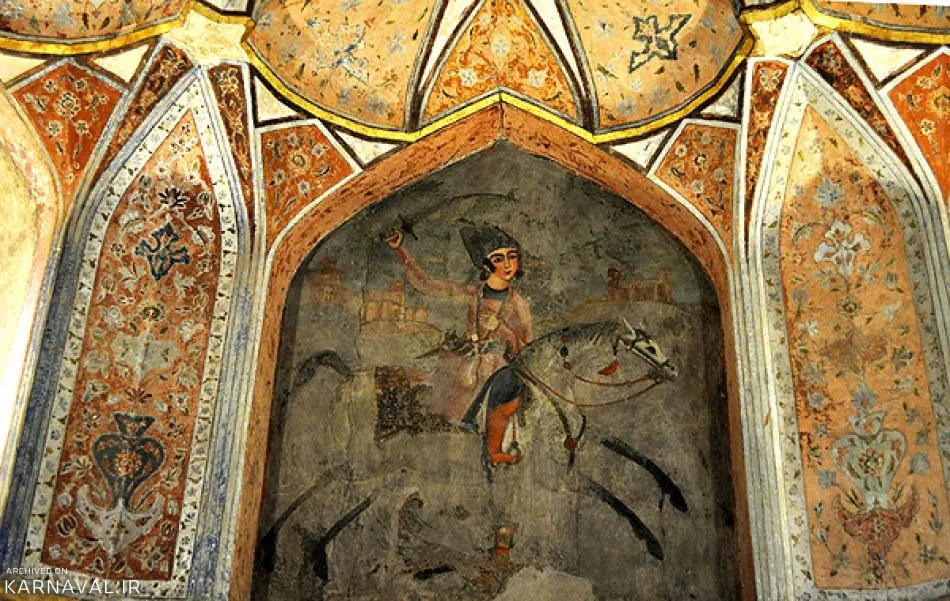
Wall Stucco and Frescoes: Often depicting floral patterns, poetry, and historical scenes.
-
Tile Panels: Decorative and protective, especially in kitchens and bathrooms.
-
Woodwork: Carved doors, window frames, and ceiling panels.
-
Carpets and Rugs: Cover floors and walls for insulation and aesthetic warmth.
Table 1: Traditional Interior Spaces and Features
| Space | Primary Function | Materials | Decorative Elements | Region |
|---|---|---|---|---|
| Kitchen | Cooking & food storage | Mud-brick, clay | Ceramic tiles, wood cupboards | Nationwide |
| Bath (Hammam) | Hygiene & social | Marble, brick, tile | Tile mosaics, domes, skylights | Nationwide |
| Diwan-Khaneh | Guest reception | Wood, textile | Carpets, cushions, mirrorwork | Isfahan, Shiraz |
| Talar | Ceremonies & gatherings | Wood, brick | Stucco, murals, chandeliers | Central & Northern Iran |
| Courtyard | Outdoor living & ventilation | Stone, plants, water | Fountains, garden beds | Nationwide |
6. Social and Cultural Significance
-
Kitchens: Centers for family nutrition and sometimes social gatherings during cooking.
-
Baths: Social hubs for women and men, with ritualistic and cultural importance.
-
Living Areas: Reflect social hierarchy; Diwan-khaneh for guests, private spaces for family.
-
Courtyards: Demonstrate privacy, family interaction, and climate adaptation.
7. Modern Influence
Modern Iranian homes adopt traditional interior principles:
-
Courtyards inspire patio and terrace designs in villas.
-
Kitchens blend tile and wood elements for aesthetics and practicality.
-
Baths incorporate ceramic tiles and natural light for elegance and hygiene.
-
Living areas emphasize low seating and carpets, retaining cultural warmth.
Ancient Persian Architecture and Interior Decoration: Styles & Innovations
SEO & Long-Tail Keywords
Primary Keywords: Traditional Iranian interiors, historic home design Iran, Persian living spaces
Long-Tail Keywords: Iranian courtyard house design, Yazd traditional kitchens, Isfahan Diwan-Khaneh features, Persian hammam architecture, historic Persian living areas
Historic Roofs, Ceilings, and Decorative Architectural Elements in Iran
Iranian architecture is world-renowned for its innovative roofing, ceiling designs, and intricate decorative elements. These features combine structural ingenuity, aesthetic beauty, and cultural symbolism, creating interiors and exteriors that are both functional and visually stunning.
1. Domes (Gonbad)
Domes are perhaps the most iconic feature of Iranian architecture, symbolizing heavenly spheres and spiritual aspiration.
Key Features:
-
Double-Shell Domes: Two layers — one visible exterior dome and one inner dome for interior aesthetics.
-
Materials: Brick, tile, and mortar with geometric and floral tilework.
-
Height and Scale: From modest residential domes to monumental mosque domes.
-
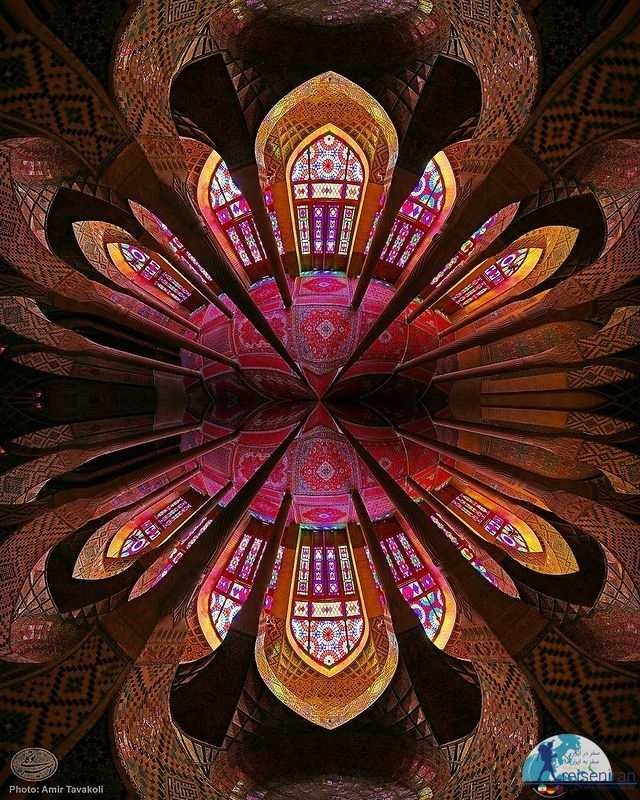
Decorative Patterns: Muqarnas (stalactite-like structures) and colorful tile mosaics.
Famous Examples:
-
Shah Mosque, Isfahan: Turquoise and blue double-shell dome.
-
Jame Mosque, Yazd: Mudbrick dome integrated with windcatchers.
2. Vaulted Ceilings (Taq)
Vaults provide structural support and aesthetic elegance, common in residential and public buildings:
-
Barrel Vaults: Long, semi-cylindrical ceilings often used in halls and corridors.
-
Cross Vaults: Intersecting vaults creating complex geometric patterns.
-
Materials: Brick or adobe with plaster or tile finishing.
Vaults allowed wide, open interior spaces without the need for supporting columns, perfect for halls, mosques, and caravanserais.
3. Wooden Ceilings and Lattice Work
-
Wooden Beams: Often carved with geometric patterns or painted with floral motifs.
-
Ceiling Panels (Shabestan): Decorative wooden panels integrated with mirrors, mother-of-pearl, or paintwork.
-
Lattice Work (Orosi): Wooden screens for ventilation and privacy, particularly in northern and central homes.
Functionality: Wooden ceilings regulate temperature, humidity, and acoustics, while also providing artistic expression.
Ancient Persian Architecture and Interior Decoration: Styles & Innovations
4. Stucco and Plasterwork
-
Stucco Reliefs: Applied to walls, ceilings, and niches for intricate patterns.
-
Motifs: Arabesques, floral, calligraphy, and geometric designs.
-
Technique: Layers of plaster carved or molded while wet, then painted or gilded.
Stucco work is especially prominent in residential halls, mosques, and madrasas.
5. Mirrorwork (Ayeneh Kari)
-
Purpose: Reflect light in large halls, making interiors appear brighter and more spacious.
-
Technique: Small mirror pieces cut into geometric patterns and embedded into plaster or wood panels.
-
Famous Example: Hall of Mirrors, Golestan Palace, Tehran.
Modern Influence: Mirrors are integrated into contemporary interiors for luxury, illumination, and spatial enhancement.
6. Roof Gardens and Terraces
-
Historic Use: Roofs often served as social spaces, particularly in desert regions like Yazd and Kerman.
-
Design: Flat roofs with parapets, seating areas, and sometimes small gardens or water features.
-
Climate Adaptation: High elevation reduces heat in summer; thick roof materials provide insulation in winter.
Table 1: Historic Roofs and Ceiling Types in Iranian Architecture
| Type | Function | Materials | Decorative Elements | Region |
|---|---|---|---|---|
| Dome (Gonbad) | Religious & ceremonial | Brick, tile | Muqarnas, tile mosaics | Nationwide |
| Barrel Vault (Taq) | Structural & aesthetic | Brick, adobe | Plaster, paint | Central & Southern Iran |
| Wooden Ceiling | Insulation & decoration | Wood | Carvings, painting | Northern & Central Iran |
| Stucco Relief | Decoration & symbolic | Plaster | Floral, geometric, calligraphy | Nationwide |
| Mirrorwork (Ayeneh Kari) | Illumination & luxury | Mirror & plaster | Geometric patterns | Palaces, mosques |
| Roof Terrace | Outdoor living | Brick, stone | Parapets, planters | Yazd, Kerman |
7. Social and Cultural Significance
-
Domes and vaults connect interior spaces with spiritual symbolism, emphasizing harmony and divine proportion.
-
Wooden ceilings and latticework create ventilation, privacy, and acoustic comfort.
-
Stucco and mirrorwork express wealth, status, and artistic mastery.
-
Roof terraces and gardens foster family interaction and connection with nature.
Ancient Persian Architecture and Interior Decoration: Styles & Innovations
8. Modern Influence
Contemporary Iranian architecture often reinterprets historic roofing and decorative techniques:
-
Domes inspire interior ceiling patterns and luxury villas.
-
Vaulted ceilings are adapted into open-plan living spaces.
-
Stucco and plaster motifs are used in modern wall panels and feature ceilings.
-
Mirrorwork and wooden lattice patterns appear in interior screens, doors, and partitions.
SEO & Long-Tail Keywords
Primary Keywords: Iranian historic roofs, traditional ceiling design Iran, Persian architectural elements
Long-Tail Keywords: Dome and vault architecture in Iran, wooden ceiling patterns Persian homes, Ayeneh Kari mirrorwork Iran, historic roof terraces Yazd, stucco decoration Persian interiors
Ancient Persian Architecture and Interior Decoration: Styles & Innovations
Preservation, Modern Adaptation, and Future of Historic Iranian Architecture
Iranian historic architecture is a treasure trove of cultural, artistic, and technical achievements. From the domes of Isfahan to the windcatchers of Yazd, these structures reflect centuries of innovation, climate adaptation, and aesthetic mastery. As modern cities expand, the challenge lies in preserving heritage while integrating contemporary design.
1. Preservation of Historic Architecture
Preserving Iran’s historic buildings is essential for cultural identity, tourism, and architectural education.
Strategies:
-
Restoration of Tiles and Stucco: Repairing damaged mosaics and decorative plasterwork while maintaining original patterns.
-
Structural Reinforcement: Strengthening foundations, arches, and domes using modern techniques without altering historic appearances.
-
Adaptive Reuse: Transforming historic houses into museums, boutique hotels, or cultural centers.
-
Legal Protection: Government and UNESCO designations for landmarks and historic districts.
Challenges:
-
Urban expansion threatens traditional neighborhoods.
-
Environmental damage (earthquakes, humidity, desertification).
-
Limited resources for extensive restoration projects.
2. Modern Adaptation of Traditional Elements
Modern Iranian architects reinterpret historic design to suit contemporary lifestyles:
-
Courtyard-inspired layouts: Many modern homes include central gardens, patios, or atriums for light, ventilation, and privacy.
-
Low seating and carpets: Traditional takht-style seating appears in living rooms and luxury villas.
-
Tile and stucco motifs: Applied as feature walls, flooring, and ceilings.
-
Windcatcher principles: Used in modern passive cooling and sustainable building designs.
Examples of Contemporary Adaptation:
-
Luxury hotels in Isfahan integrating mirrored halls and tile mosaics.
-
Modern villas in Yazd adopting adobe-like facades and rooftop terraces.
-
Urban apartments featuring wooden lattice partitions for light and privacy.
Timeless Designs: Old Architecture and Home Decoration in Iran
3. Sustainable Architecture Inspired by History
Historic Iranian architecture demonstrates climate-adapted and resource-efficient design. Modern architects use these principles for eco-friendly homes and public buildings:
-
Natural Ventilation: Windcatchers, courtyards, and lattice screens reduce dependency on air conditioning.
-
Thermal Mass: Thick mudbrick and adobe walls stabilize indoor temperatures.
-
Water Management: Fountains, pools, and garden irrigation systems inspired by Chahar Bagh layouts.
-
Solar and Light Optimization: Domes, skylights, and mirrored interiors maximize natural light.
4. Integration with Urban Development
Historic Iranian neighborhoods can coexist with modern cities through careful urban planning:
-
Historic districts as cultural hubs: Preserving traditional houses while enabling commercial and residential use.
-
Architectural continuity: Ensuring new buildings complement historic styles in height, color, and material.
-
Tourism and Education: Heritage homes as interactive museums or workshops for traditional crafts.
5. The Future of Iranian Home Decoration and Architecture
Iranian architecture continues to influence global design and inspire luxury, sustainability, and creativity.
Emerging Trends:
-
Smart homes incorporating traditional aesthetics: High-tech amenities paired with Persian design elements.
-
Blending indoor and outdoor spaces: Inspired by historic courtyards and terraces.
-
Revival of crafts: Tilework, mirrorwork, and wood carving for contemporary interior décor.
-
Eco-conscious design: Combining windcatchers, solar energy, and local materials for sustainable living.
Table 1: Historic vs. Modern Adaptation of Iranian Architecture
| Feature | Historic Use | Modern Adaptation | Benefit |
|---|---|---|---|
| Courtyard | Privacy, ventilation | Atriums, patio gardens | Natural light, air circulation |
| Windcatcher | Passive cooling | Roof ventilation systems | Energy efficiency |
| Tile & Stucco | Decoration & insulation | Feature walls & ceilings | Aesthetic + thermal regulation |
| Mirrorwork | Light reflection | Luxury interiors | Spaciousness & illumination |
| Low seating (Takht) | Social & cultural | Living rooms, lounges | Cultural continuity & comfort |
| Adobe/Mudbrick | Structural & thermal | Eco-friendly facades | Sustainability & insulation |
6. Cultural and Educational Importance
-
Preserving Iranian architecture fosters national identity and pride.
-
Encourages craftsmanship education for new generations of artisans.
-
Attracts international tourism, boosting local economies.
-
Provides design inspiration for architects globally, blending tradition and modernity.
Timeless Designs: Old Architecture and Home Decoration in Iran
7. Conclusion
Historic Iranian architecture and home decoration embody a rich tapestry of culture, innovation, and artistry. From intricate tilework, carpets, and calligraphy to domes, windcatchers, and courtyards, each element demonstrates a balance between functionality, aesthetics, and climate adaptation.
Modern architects and designers are reimagining these traditions, integrating historic elements with sustainability, technology, and contemporary lifestyles. By preserving and adapting Iran’s architectural heritage, the nation ensures that its past continues to inspire present and future generations, making traditional homes not just relics of history, but living, evolving spaces for the 21st century.