


The Essence of Albanian Home Design
Introduction: Why Albanian Home Decor Is Gaining Global Attention
In recent years, Albania has quietly emerged as one of Europe’s most captivating destinations for home design inspiration. With its breathtaking Adriatic coastline, sun-drenched landscapes, and deep cultural heritage, the country offers a unique fusion of Mediterranean warmth and Balkan authenticity.
Home decor in Albania, once dominated by practicality and regional materials, is now experiencing a sophisticated rebirth — one that gracefully balances tradition and modern minimalism.
As the global interior design community shifts toward authenticity, eco-consciousness, and handmade craftsmanship, Albanian homes stand as living symbols of this new movement. Their interiors tell stories — stories of resilience, nature, and family values — all woven through textures of stone, wood, terracotta, and light.
This revival is not accidental. From the ancient cities of Berat and Gjirokastër to the modern apartments of Tirana, homeowners are rediscovering the charm of locally inspired elegance. Albania’s design identity is now being celebrated not only by locals but also by architects and decorators from across Europe who see in it something rare: a pure connection between place, history, and aesthetic truth.
Historical Roots: Ottoman, Italian & Balkan Influences
Albanian home design has always been a reflection of its geography and history — positioned at the crossroads of East and West, North and South. This unique location has exposed the country to countless cultural currents, each leaving an imprint on how Albanians build, decorate, and live.
Home Decor in Albania
Ottoman Touches
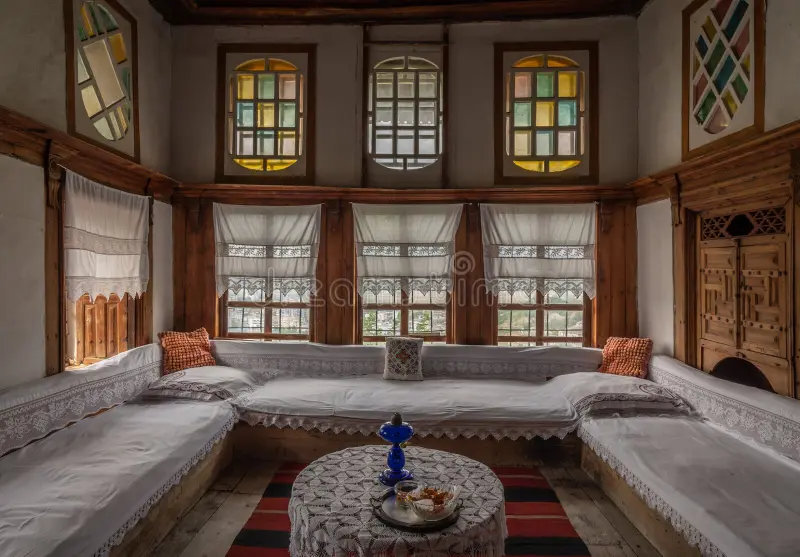
For centuries, Ottoman architectural style shaped Albanian urban homes. Key elements included:
-
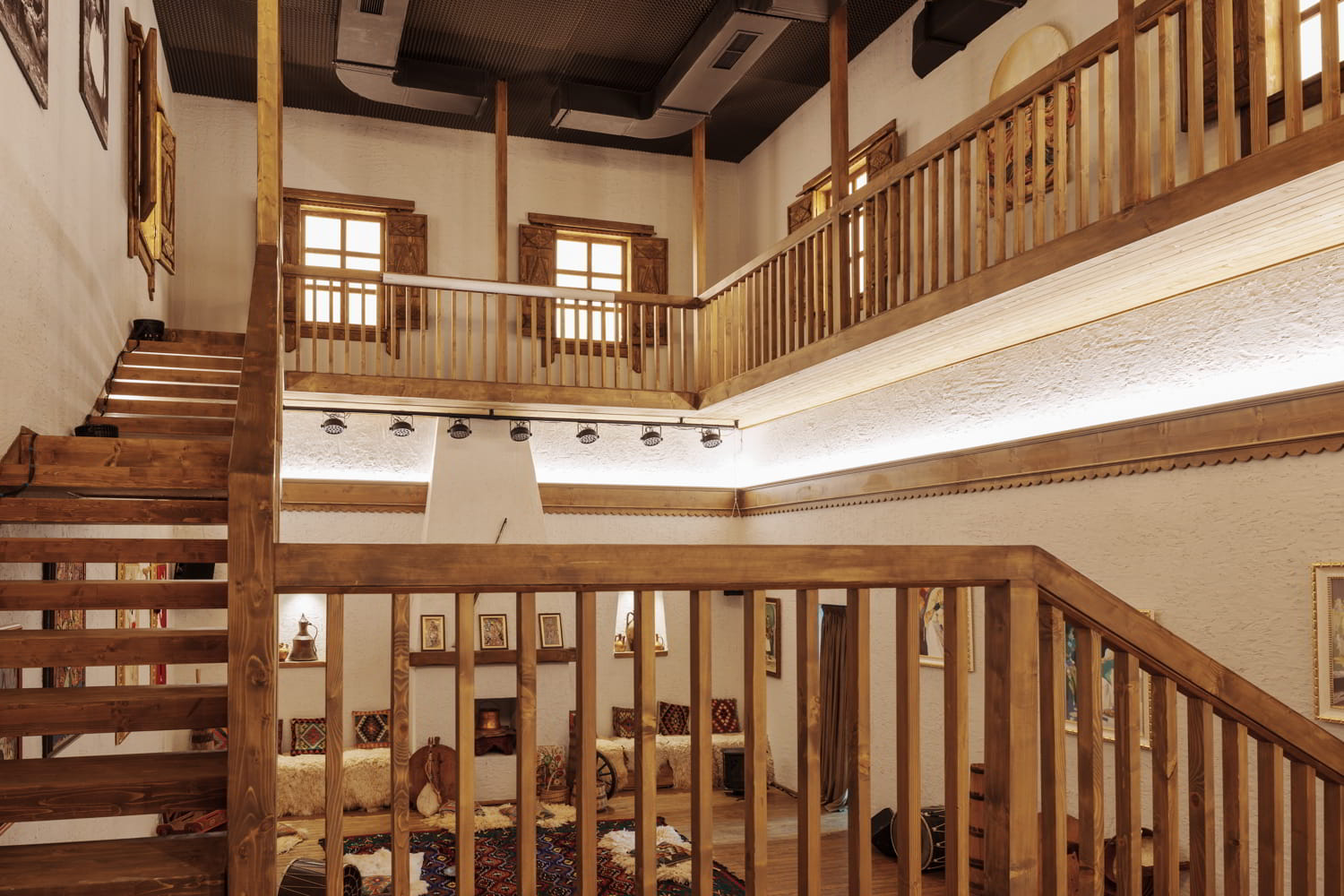
Carved wooden ceilings with geometric or floral motifs
-
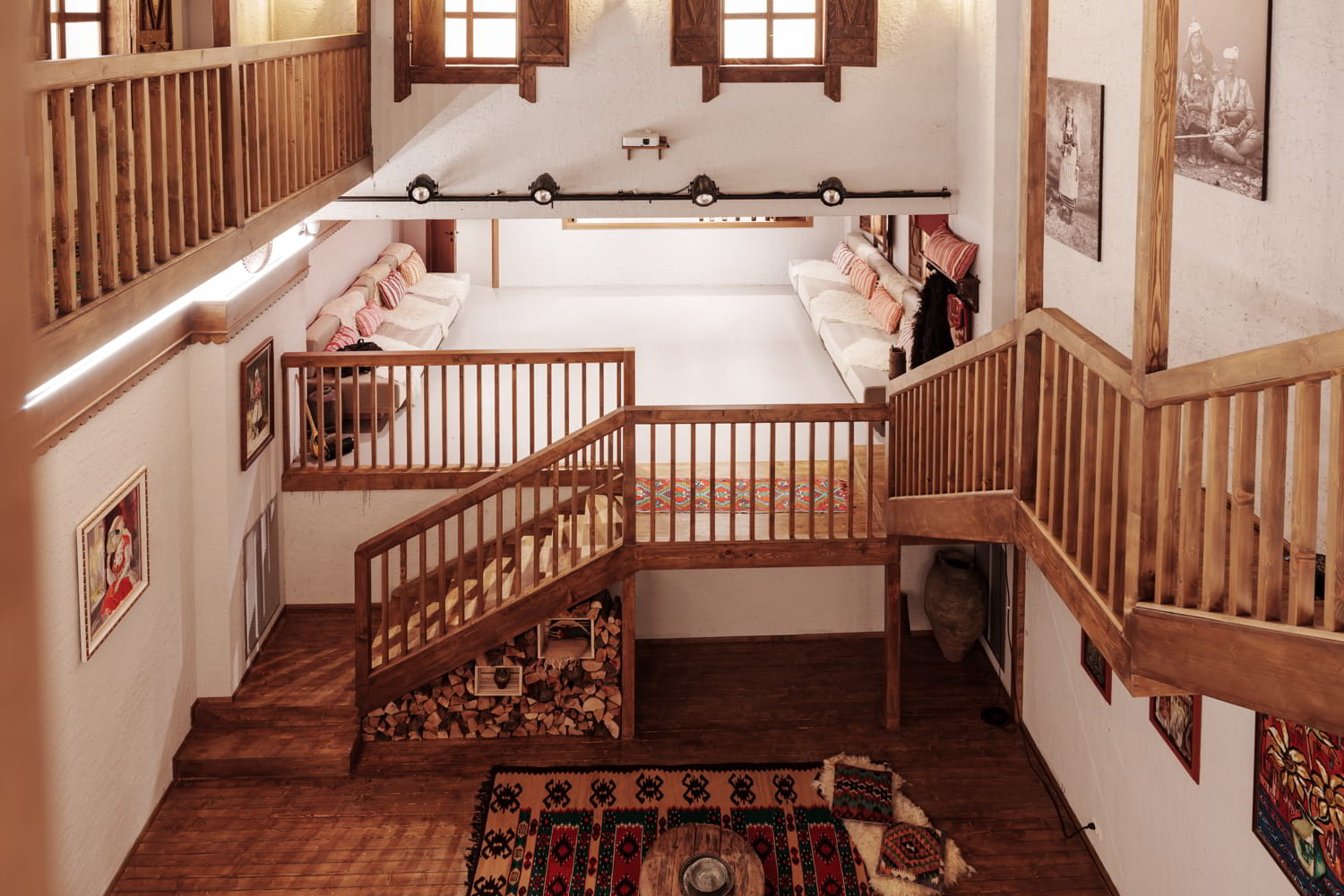
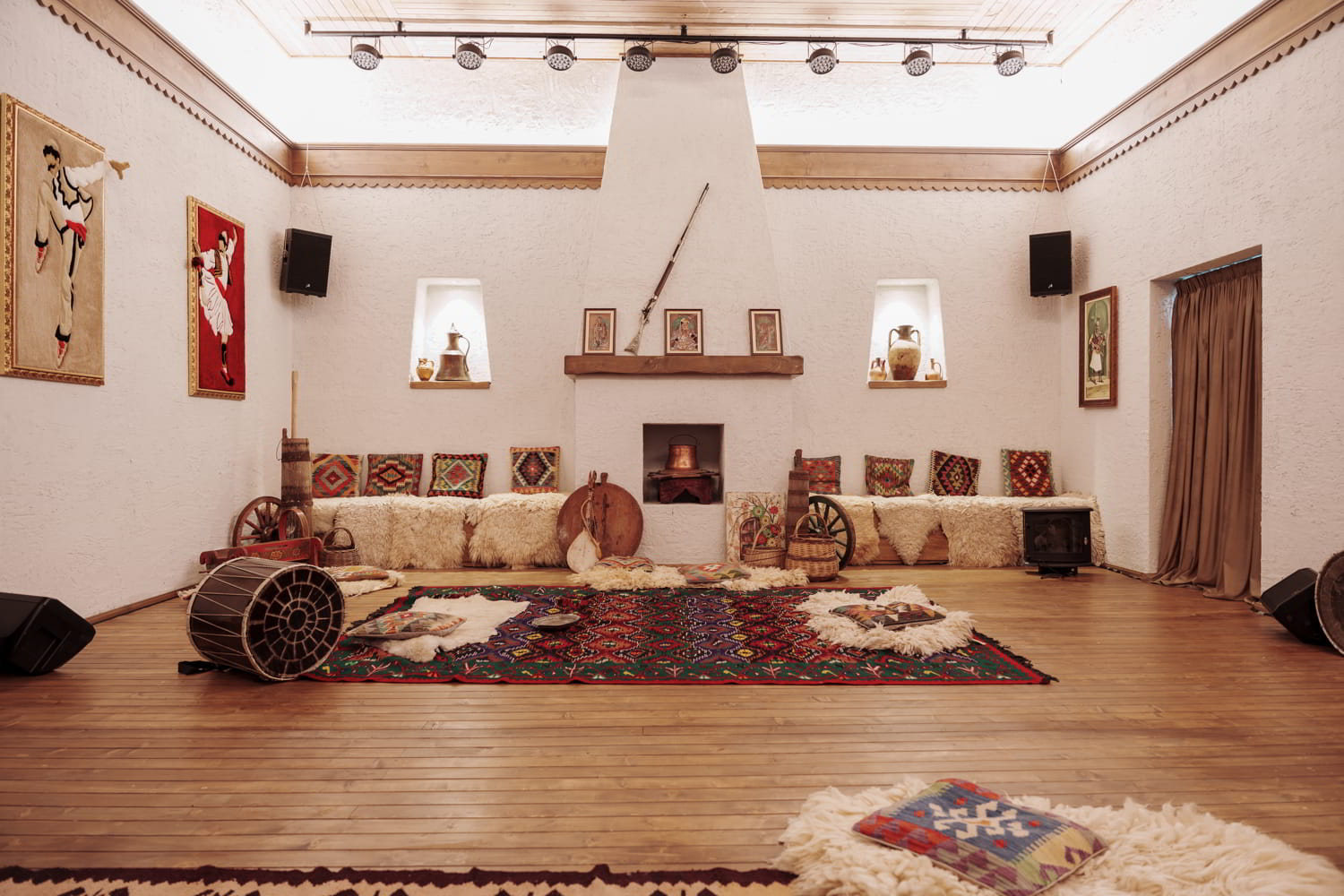
Low seating (divan) around the perimeter of living rooms
-
Textile layering, such as carpets, cushions, and curtains
-
Arched doorways and small courtyards, emphasizing privacy and inner tranquility
These elements remain deeply influential today, often reinterpreted through a modern lens — think minimalist divans, decorative woodwork, or arches blended with LED accent lighting.
Italian and Venetian Aesthetics
Italian influence arrived during the early 20th century, particularly in coastal cities like Durrës and Vlora. The style introduced:
-
Symmetrical façades and stucco finishes
-
Balconies with ornate railings
-
Marble flooring and pastel-colored walls
-
Mediterranean-inspired tiles
Modern Albanian interior designers often borrow from this era, merging Italian softness with Albanian strength. The result: interiors that feel timeless and effortlessly elegant.
Balkan Soul
Meanwhile, the Balkan essence — found in stone houses, handwoven rugs, and rustic wood beams — provides warmth and authenticity. Every Albanian home, even the most contemporary, carries this rustic undertone.
It’s not about nostalgia; it’s about identity. The Balkan element grounds Albanian decor in emotion and belonging.
The Albanian Color Palette: Earth, Olive, and Sea
Color is the emotional backbone of Albanian interiors. It is inspired by three core natural elements:
the earth beneath, the olive trees around, and the sea beyond.
Home Decor in Albania
Earth Tones: Heritage and Warmth
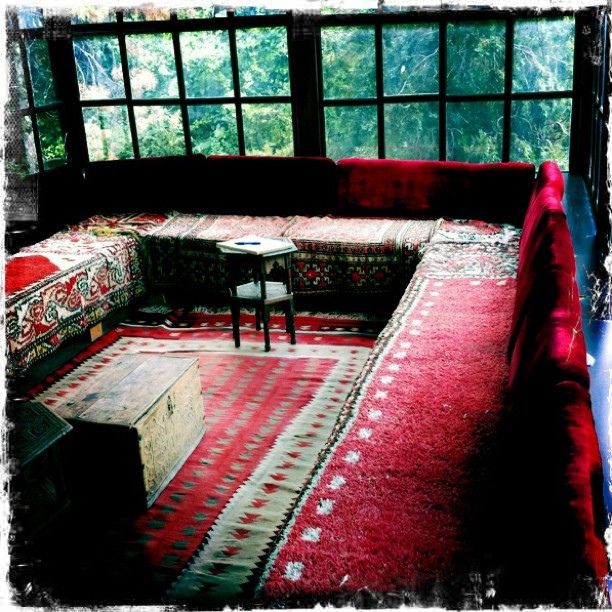
Shades of terracotta, burnt sienna, and muted browns dominate traditional homes. They represent stability and endurance — a reflection of the Albanian people’s grounded nature. These tones also pair perfectly with local materials like stone and wood, allowing for harmony between interior and landscape.
Olive Greens: Nature’s Tranquility
Olive trees are more than plants in Albania; they are symbols of peace and continuity. Soft olive greens and sage hues bring a sense of calm to bedrooms, dining rooms, and even minimalist living spaces. They also connect indoor life with the country’s Mediterranean flora.
Sea Blues: Air and Openness
Along the Riviera, from Himarë to Sarandë, coastal homes often feature cool blues, aquas, and whites. These tones evoke the endless Albanian sky and sea — creating interiors filled with freshness and light. Combined with neutral furniture and linen fabrics, they achieve an effortless Mediterranean serenity.
Local Materials and Craftsmanship: The Beauty of Authenticity
In Albania, building materials are not chosen merely for function — they’re selected for meaning. From the rugged stones of Gjirokastër to the polished walnut wood of northern homes, each material carries its own cultural resonance.
Home Decor in Albania
1. Stone and Clay
Albanian architecture celebrates stone. Entire villages, such as Gjirokastër, are UNESCO-protected for their stone houses with slate roofs. Indoors, natural stone is increasingly used for:
-
Accent walls
-
Fireplace surrounds
-
Flooring in entryways and patios
Clay and terracotta tiles, meanwhile, keep homes cool during hot summers and add a rustic Mediterranean touch.
2. Wood and Warmth
Local oak and walnut are common in furniture, beams, and paneling. Albanian carpenters are known for their precision and artistry — a legacy passed down generations. Their handmade chairs, benches, and cabinets add soul and authenticity to modern homes.
3. Textiles and Handicrafts
Traditional textiles are perhaps Albania’s most charming decorative element. Handwoven kilims (rugs) and embroidered linens tell stories of family heritage. In 2025, many urban decorators are reintroducing these artisanal fabrics into contemporary interiors — framing them as wall art or layering them on modern couches.
Backlink: Explore authentic Albanian crafts via Visit Albania – Artisanal Heritage 2025.
Regional Variations in Albanian Home Decor
Although small in size, Albania is incredibly diverse — geographically and culturally. Each region brings its own identity to interior design.
Tirana: Modern Metropolis Meets Cultural Memory
In the capital city, apartments showcase a sleek blend of Scandinavian minimalism and Mediterranean light. Designers use neutral tones, large windows, and abstract art. Yet, small details — such as embroidered cushions or handmade pottery — maintain a touch of Albanian warmth.
Shkodër: The Spirit of the North
Traditional homes here use dark woods, ornate carvings, and heavy textiles. The décor evokes history, pride, and northern craftsmanship. Modern interpretations lighten this with pale flooring and glass lighting to balance heritage with brightness.
Vlora and the Riviera: Coastal Calm
Homes near the sea focus on airiness and light reflection. Whitewashed walls, woven rattan chairs, and linen curtains dominate. Terraces often become extensions of the living space, blending indoors and outdoors seamlessly.
Gjirokastër: The Stone City
Known for its fortress-like architecture, Gjirokastër homes have thick stone walls, wood ceilings, and narrow windows. Today’s restorations often combine these historic features with hidden modern comforts like radiant floor heating and smart lighting — maintaining charm without losing convenience.
Korçë and the Highlands
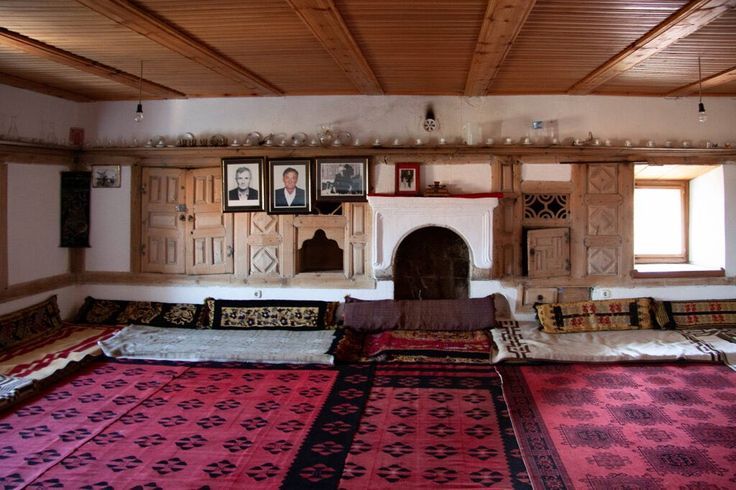
In the mountain regions, fireplaces are the heart of the home. Walls are adorned with tapestries, and the color palette leans toward deep reds, golds, and browns — symbolizing warmth and resilience.
Home Decor in Albania
Cultural Meaning: Home as Family, Tradition, and Hospitality
For Albanians, home is sacred. It’s not just a space for living; it’s a symbol of continuity and pride.
Visitors are welcomed with coffee, raki, and genuine hospitality — and interior design reflects that warmth. Large living areas, communal dining tables, and outdoor terraces are central to family life.
Modern homes still respect this cultural DNA. Even in compact city apartments, one can find multi-functional social zones designed to gather people. Albanian design philosophy believes that beauty must serve togetherness.
Eco-Conscious Beginnings: Albania’s Green Decor Revolution
With increasing awareness of sustainability, Albanian homeowners are embracing eco-friendly practices:
-
Solar panels and natural insulation
-
Recycled furniture and upcycled wood
-
Locally sourced building materials
Architects are merging sustainability with aesthetics — proving that eco-living can be beautiful and affordable.
In 2025, eco-decor isn’t a trend; it’s a value.
Conclusion – The Soul of Albanian Interiors
Part 1 of this journey reveals something deeper than design: Albanian home decor is about emotion, identity, and belonging.
Every stone, every beam, every thread speaks of endurance and elegance. Albania’s interiors capture the spirit of a nation — proud, natural, and evolving.
Home Decor in Albania
The Cultural DNA of Albanian Home Decor
The soul of Albanian home decor lies in its deep connection to identity, heritage, and emotion. From the rugged mountain villages of the north to the Adriatic seaside homes in Vlora and Durrës, Albanians have historically used design as a form of storytelling — a reflection of who they are, where they come from, and what they value most.
While Albania’s history includes Ottoman, Byzantine, and Venetian influences, the heart of its design remains proudly national. Traditional homes, known as “shtëpia shqiptare”, often feature stone foundations, carved wooden balconies, and intricate embroidered textiles — each symbolizing protection, fertility, and family honor. Even as modernization accelerates, these elements persist, transformed but never forgotten.
Today, Albanian decor blends these roots with contemporary minimalism. It’s a design philosophy that honors the past without living in it. This evolution — rustic meets modern — defines the new Albanian aesthetic.
From Castles to Condos: Shifting Home Styles in Urban Albania
Over the past 30 years, Albania’s urban landscape has undergone a massive transformation. Once defined by socialist-era apartment blocks, cities like Tirana and Shkodra are now filled with modern condominiums, vibrant street art, and boutique design stores.
Home decor has evolved accordingly. The older generation, who grew up with heavy wooden furniture and handwoven rugs, now embrace lighter materials and open spaces. Younger Albanians — many educated or inspired by Western Europe — prefer a Scandinavian-Albanian fusion: neutral colors, clean lines, and sustainable materials.
Yet even in this modern shift, tradition persists. A Tirana apartment may feature a sleek Italian sofa — but on the wall, a traditional Albanian kilim hangs proudly, connecting the present to the ancestral past.
“Every home in Albania tells two stories — one of who we are today, and one of who we’ve always been.”
The Rise of Interior Design Culture in Albania
Until the 2000s, interior design was not a formal profession in Albania. Most homes were decorated by families themselves, with craftsmanship passed down through generations. But as Albania’s economy opened to global markets, the design industry flourished.
Interior designers like Edlira Doda, Ardian Hoxha, and Gentiana Bala have brought new sophistication to the field, fusing modern European trends with native craftsmanship. Design studios in Tirana and Korçë now collaborate with architects to craft homes that feel both cosmopolitan and distinctly Albanian.
Popular themes include:
-
Modern Rustic Fusion – combining stone, brick, and wood textures with clean modern furniture.
-
Mediterranean Simplicity – inspired by Albania’s coastline, featuring whites, blues, and natural linens.
-
Albanian Heritage Revival – using motifs from traditional embroidery, mosaics, and historical fortresses in modern contexts.
This movement is more than aesthetic — it’s about cultural sustainability. Albanian designers aim to preserve local crafts while embracing global innovation.
Home Decor in Albania
Materials and Textures that Define the Albanian Aesthetic
In Albania, materials tell stories. A single room might feature marble from Përmet, handmade ceramics from Krujë, and wooden carvings from Gjirokastër. The tactile diversity of these materials represents both local pride and an appreciation for natural beauty.
Let’s explore the most iconic textures and materials shaping modern Albanian decor:
| Material | Origin | Symbolism/Use |
|---|---|---|
| Stone & Marble | Përmet, Berat | Strength, heritage, used in floors/walls |
| Handmade Wool Rugs | Northern Albania | Warmth, craftsmanship, identity |
| Olive Wood | Southern Coast | Purity, tradition, used for furniture |
| Copper & Brass | Krujë | Prosperity, used in kitchen décor |
| Linen & Cotton | Korçë | Simplicity, elegance, modern bedding |
Each material not only beautifies a space but connects the homeowner to Albania’s geography and artisanship.
The Albanian Color Palette: Warm Earth Meets Coastal Calm
Color is emotional in Albania. Historically, rural homes embraced earthy tones — terracotta, beige, and walnut brown — reflecting the landscape. Coastal homes, on the other hand, featured whitewashed walls with blue shutters and accents inspired by the Ionian and Adriatic seas.
Modern Albanian interiors now merge these palettes, achieving harmony between mountain warmth and seaside serenity.
Top trending Albanian color combinations (2025):
-
Clay & Cream – symbolizing authenticity and light.
-
Olive Green & Sandstone – rustic yet calming.
-
Navy & White – coastal minimalism.
-
Gold Accents with Neutral Base – adding Mediterranean elegance.
Furnishing the Modern Albanian Home
Furniture selection in Albania reflects a mix of practicality and pride. In cities like Tirana, custom furniture makers thrive, creating locally made pieces that rival imported brands in quality and design.
Popular furniture trends:
-
Modular Sofas with Earthy Tones
-
Vintage-Inspired Dining Tables made of reclaimed wood
-
Open-Shelf Bookcases for multi-functional small spaces
-
Handcrafted Armoires with subtle traditional carvings
A growing number of Albanians now prefer eco-friendly materials like bamboo, rattan, and reclaimed wood, signaling a shift toward sustainability.
Home Decor in Albania
Decorative Elements that Make an Albanian Home Unique
No Albanian home is complete without meaningful details. Decor is not about luxury — it’s about soul.
Common motifs include:
-
Framed Family Photos displayed prominently in living rooms.
-
Traditional Carpets (Qilim) that serve as both art and heritage symbols.
-
Ceramic Dishes & Copper Pots proudly displayed in kitchens.
-
Religious Icons or Folk Symbols that carry spiritual and cultural meaning.
Modern Albanian homes reinterpret these elements in minimalist ways — for instance, using neutral tones for traditional carpets or stylizing folk symbols into abstract art pieces.
The Role of Lighting in Albanian Home Decor
Lighting in Albania has transitioned from purely functional to deeply atmospheric. Once dominated by single ceiling bulbs, modern Albanian homes now feature layered lighting that adds dimension and warmth.
Popular styles include:
-
Pendant Lights in dining areas inspired by Mediterranean design.
-
Soft Wall Lamps in bedrooms with handcrafted shades.
-
LED Cove Lighting to highlight architectural details.
Natural light remains a vital feature in Albanian design — homes are oriented to maximize daylight, symbolizing vitality and hope.
Decor Trends Across Albanian Regions (2025)
| Region | Design Characteristics | Inspiration Source |
|---|---|---|
| Tirana | Urban modernism, glass & marble interiors | European city life |
| Gjirokastër | Stone walls, wooden balconies | Ottoman heritage |
| Shkodra | Folk art, wool rugs, earthy tones | Northern traditions |
| Vlora & Durrës | White minimalism, seaside colors | Coastal lifestyle |
| Korçë | Vintage revival, elegant textiles | French influence |
These variations prove that Albania’s decor scene isn’t monolithic — it’s a mosaic, unified by pride yet diverse in expression.
Home Decor in Albania
Albanian Decor Meets Global Trends
Albania’s home design market has become increasingly globalized. Online platforms like Pinterest, Instagram, and Houzz influence young homeowners, while local artisans adapt to international trends.
Key global trends shaping Albania’s decor in 2025:
-
Japandi Minimalism (Japanese + Scandinavian fusion)
-
Sustainable & Natural Materials
-
Functional Small-Space Design
-
Statement Art Walls
-
Indoor Plants & Biophilic Design
However, Albanians uniquely interpret these trends — they rarely copy, they reinterpret. For example, an Albanian take on Japandi might include an olive-wood coffee table instead of bamboo, blending minimalism with Mediterranean warmth.
How Economic Growth is Transforming Albanian Homes
As Albania’s GDP and tourism continue to rise, disposable income for home improvement has expanded significantly. Many Albanians returning from abroad bring with them new ideas and expectations about comfort and aesthetics.
The result? A new generation of design-savvy homeowners who value both cultural authenticity and modern comfort.
DIY home projects, furniture recycling, and interior design consultancies are booming, fueled by social media trends and YouTube tutorials.
Smart Homes & Technology Integration
In recent years, Albanian homes have started embracing technology. Smart lighting, home assistants, and energy-efficient systems are becoming more common, especially among urban professionals.
Yet even in this shift toward smart living, Albanian homes maintain emotional warmth — blending innovation with tradition.
“A smart home doesn’t just respond to your voice — it reflects your values.”
A Preview of What’s Next
Part 3 will take this exploration even further — diving into:
-
Albania’s emerging eco-decor movement
-
The revival of artisanal crafts
-
The future of sustainable architecture
-
A full FAQ section with practical design tips
-
And a conclusion connecting Albanian decor to the global home design movement.
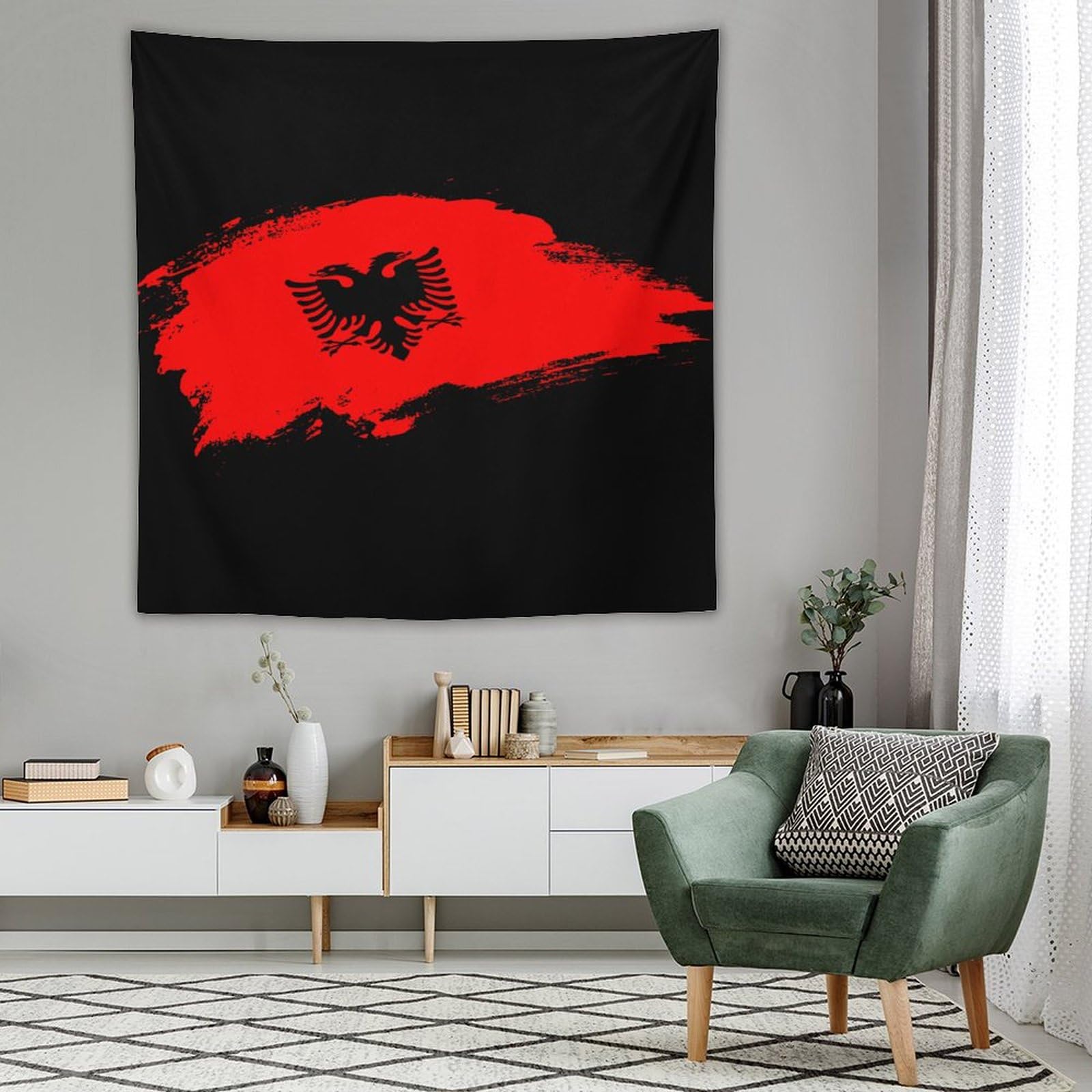
Home Decor in Albania
Sustainability, Crafts, Outdoor Spaces, and Expert Insights
Introduction: The Green Turn in Albanian Home Decor
Albania’s interior design scene is not just about aesthetics; it’s evolving to embrace sustainability, environmental awareness, and socially responsible living. In 2025, homeowners are increasingly prioritizing eco-friendly practices — from using natural and recycled materials to designing energy-efficient homes.
This green approach is a natural extension of Albania’s deep connection to nature. With pristine coastlines, forests, and mountains, Albanians instinctively understand the importance of harmonizing interiors with the environment. Today, eco-conscious design and traditional craftsmanship coexist, creating spaces that are both beautiful and responsible.
Sustainable Home Decor Trends in 2025
1. Natural Materials Over Synthetics
-
Wood: Reclaimed oak, walnut, and olive wood are popular for furniture and wall panels.
-
Stone & Marble: Locally sourced, reducing carbon footprint and connecting interiors to Albanian heritage.
-
Organic Fabrics: Linen, cotton, and wool dominate textiles, from curtains to cushions.
2. Energy Efficiency
-
Solar panels are becoming common in urban villas and coastal homes.
-
LED lighting reduces energy consumption while providing modern aesthetics.
-
Insulation with natural fibers improves comfort and lowers energy bills.
3. Indoor Plants and Biophilic Design
Biophilic design, which emphasizes nature indoors, is gaining momentum in Albania. Homeowners incorporate:
-
Olive trees in pots for living rooms
-
Herbs and small plants in kitchens
-
Vertical green walls in modern apartments
This not only improves aesthetics but also enhances mental well-being and air quality.
4. Upcycling and Artisan Craftsmanship
Many Albanian designers now repurpose old furniture, blending vintage charm with modern interiors. Workshops in Tirana and Shkodër specialize in transforming traditional kilims, wooden chests, and copperware into contemporary decor elements.
“Sustainability is the new luxury — combining ethics with beauty.”
Artisanal Crafts: Preserving Heritage in Modern Spaces
Albania’s artisans have a legacy stretching centuries. Their skills — from handwoven rugs to ceramic pottery — are integral to home decor. Modern Albanian homes celebrate these crafts in creative ways:
1. Kilims and Textiles
Handwoven carpets are now used as wall art, table runners, or layered on modern sofas. Colors, patterns, and textures preserve regional identities:
-
Northern Kilims: Deep reds, golds, and geometric motifs
-
Southern Rugs: Pastels, soft blues, and Mediterranean patterns
2. Pottery and Ceramics
Pottery from Berat and Krujë adorn kitchens and living rooms, often repurposed for modern storage or accent decoration.
3. Metalwork
Copper, brass, and wrought iron remain staples in lighting, furniture, and accessories. Contemporary designers integrate these materials in minimalistic or industrial designs, merging tradition with innovation.
4. Carved Wood
From intricate ceiling beams to furniture detailing, Albanian wood carving tells a story of craftsmanship. Modern homes now feature simplified, elegant carvings that retain authenticity while fitting contemporary aesthetics.
Expert Tip: Pairing artisanal items with neutral modern backdrops allows the craftsmanship to stand out, creating a focal point that honors heritage without overwhelming the space.
Pet-Friendly Home Design
Outdoor Spaces: Bringing Albanian Nature Inside
In Albania, indoor-outdoor continuity is key. Terraces, courtyards, and balconies serve as extensions of living areas. Popular strategies include:
-
Terrace Lounges: Minimalist rattan furniture with neutral cushions.
-
Green Corners: Potted olive trees or herbs create a fresh Mediterranean ambiance.
-
Stone Flooring: Durable and natural, connecting outdoor areas to local aesthetics.
-
Lighting: Solar lanterns and LED strips add warmth without energy waste.
Even urban apartments incorporate balconies designed as mini-gardens, emphasizing nature and relaxation in limited spaces.
Interior Design in Albanian Villas vs Apartments
| Aspect | Villas | Apartments |
|---|---|---|
| Space | Spacious, multiple floors, outdoor areas | Compact, open-plan layouts |
| Materials | Stone, marble, reclaimed wood | Engineered wood, modern composites |
| Lighting | Large windows, natural light, ambient fixtures | Skylights, LED, multifunctional lamps |
| Furniture | Statement artisan pieces, heirlooms | Modular, space-saving, minimalist |
| Decor Focus | Art walls, kilims, crafted accessories | Practical, neutral tones, subtle heritage accents |
Villas allow for grandeur and creativity; apartments balance modernity with tradition in smaller footprints. Both, however, showcase Albania’s unique aesthetic DNA.
Global Influence and Albanian Innovation
Albanian design is increasingly influenced by global trends — but with local reinterpretation:
-
Minimalism & Japandi Fusion: Clean lines meet natural textures.
-
Eco-Friendly Luxury: Sustainability becomes high-end.
-
Smart Homes: Technology integrated without compromising warmth.
Unlike in many countries where trends are imported wholesale, Albanian designers adapt global styles to local culture, preserving authenticity while remaining contemporary.
Backlinks for Reference:
FAQs: Expert Answers About Albanian Home Decor
Q1: What defines modern Albanian home decor?
A: A balance of tradition and modern minimalism. Expect natural materials, heritage crafts, neutral color palettes, and open layouts.
Q2: Are Albanian homes eco-friendly?
A: Increasingly yes. Solar panels, recycled furniture, and energy-efficient lighting are becoming standard, especially in urban villas.
Q3: What colors are trending in 2025?
A: Earth tones, olive green, sand beige, soft blues, and neutral whites dominate, often accented with gold or copper.
Q4: How are traditional crafts integrated into modern interiors?
A: Kilims can be wall art, wood carvings as furniture accents, and pottery used as functional decor — all blending heritage with modern design.
Q5: Do Albanian homes favor open-plan living?
A: Yes, particularly in cities. Kitchens, dining, and living areas are often combined to promote family interaction and maximize space.
Q6: What is the difference between urban and rural Albanian home decor?
A: Urban homes focus on minimalism and smart technology, while rural homes emphasize heritage materials, warm textures, and rustic charm.
Q7: Are smart home technologies common?
A: In larger cities, yes. Home automation, smart lighting, and eco-friendly systems are increasingly adopted.
Q8: How important is outdoor design?
A: Very important. Terraces, courtyards, and green balconies integrate natural elements, enhancing lifestyle and wellbeing.
Q9: Can artisanal crafts be used in modern apartments?
A: Absolutely. Smaller pieces like kilim cushions, wall hangings, and ceramic vases bring authenticity to contemporary spaces.
Q10: How can homeowners balance modern trends with traditional elements?
A: Use heritage items as focal points against neutral modern backdrops, ensuring tradition complements rather than competes with contemporary design.
Conclusion: Albania as a Hub of Mediterranean Home Decor
Albania’s home decor scene represents a harmonious marriage of past and present. It reflects the nation’s cultural identity, natural landscapes, and Mediterranean lifestyle. From mountain villages to urban apartments, every space tells a story — blending stone, wood, textiles, and light into a living narrative.
2025 marks a pivotal moment: Albania is no longer just a destination; it’s an inspiration for sustainable, authentic, and beautifully functional home design. Its interiors resonate with emotion, craftsmanship, and innovation, making Albanian decor a rising star on the global stage.
For homeowners, designers, and enthusiasts, Albania offers a blueprint for blending heritage, modernity, and sustainability — proving that style is most powerful when rooted in identity and culture.