


Foundations of a Pet-Friendly Home
Introduction: Why Pet-Friendly Homes Matter
A home is more than a shelter—it is a sanctuary where every member of the family feels safe, comfortable, and loved. For households with pets, this idea extends beyond human needs. Cats, dogs, birds, rabbits, and even reptiles all rely on their environment for well-being. A poorly designed home can lead to stress, anxiety, or even health risks for pets. On the other hand, a thoughtfully designed pet-friendly home not only keeps animals safe but also makes daily living easier for owners.
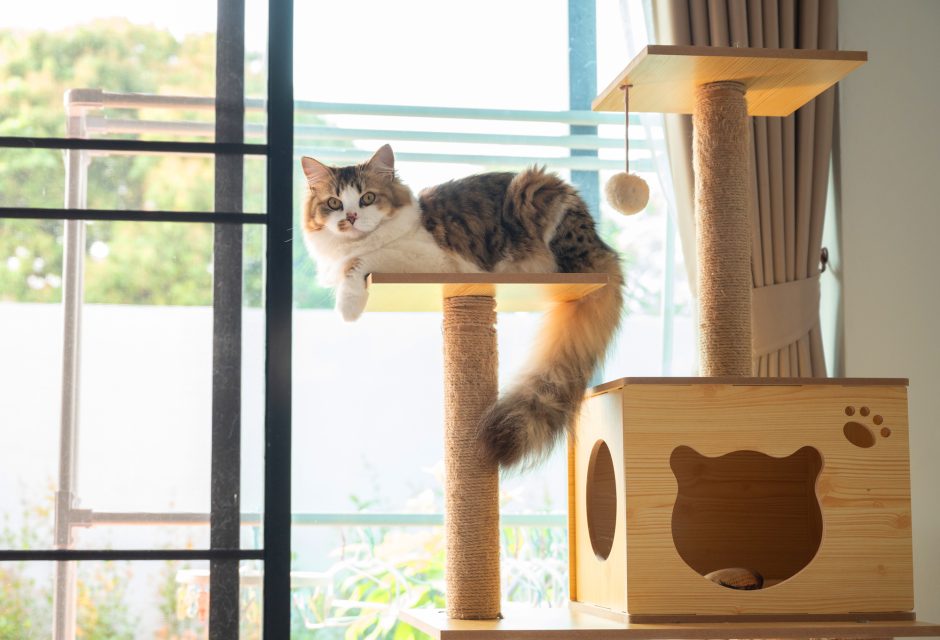
Studies from animal behaviorists confirm that the environment directly impacts a pet’s mental and physical health. For example, cats need vertical climbing and hiding spaces to reduce stress, while dogs thrive in open, interactive spaces where they can play and relax. Building a pet-friendly home is therefore about balancing style, safety, and functionality, ensuring no compromise between aesthetics and practicality.
Understanding Your Pet’s Needs
Every species—and even every breed—has unique requirements. Designing a pet-friendly home requires tailoring spaces to match those needs.
-
Dogs – Need room to roam, durable flooring, safe outdoor access, and cozy rest areas.
-
Cats – Prefer vertical spaces, scratching surfaces, secluded nooks, and window perches.
-
Small Pets (rabbits, guinea pigs, hamsters) – Require secure enclosures, chew-resistant furniture, and quiet corners.
-
Birds – Thrive in well-ventilated areas with natural light but need protection from drafts and fumes.
-
Reptiles – Depend on temperature regulation, specific lighting setups, and secure terrariums.
By understanding these needs first, homeowners can prevent accidents, reduce stress in pets, and foster a deeper bond between humans and animals.
The Psychology of Pets in a Home Environment
Pets are highly sensitive to their surroundings. Loud noises, toxic cleaning supplies, unsafe plants, or uncomfortable furniture can increase anxiety. A dog may bark excessively if they lack stimulation, or a cat may scratch furniture if they don’t have designated climbing and scratching areas.
Designing with psychology in mind means creating spaces that:
-
Provide security (safe corners, covered beds).
-
Offer stimulation (interactive toys, climbing structures, smart feeders).
-
Encourage bonding (cozy living rooms, pet-accessible furniture).
-
Maintain predictability (consistent feeding zones, sleeping spots).
When pets feel at ease, the entire household benefits from reduced stress, improved cleanliness, and stronger companionship.
Pet-Friendly Home Design
Pet-Safe Flooring Options: Best & Worst Materials
Flooring is one of the most critical aspects of a pet-friendly home. The wrong material can lead to scratches, accidents, and even injuries.
Best Flooring for Pet Homes
-
Vinyl – Durable, scratch-resistant, water-proof, and budget-friendly.
-
Laminate (with texture) – Prevents slipping, mimics wood aesthetics.
-
Tile & Stone – Extremely durable, easy to clean, perfect for hot climates.
-
Engineered Hardwood (pet-grade finishes) – Provides elegance with added scratch resistance.
Worst Flooring for Pets
-
Carpet – Traps fur, odors, and stains, making it hard to clean.
-
Glossy Hardwood – Easily scratched, slippery for dogs.
-
Cork or Bamboo – Eco-friendly but often too soft for pet claws.
👉 Pro Tip: Always choose flooring with anti-slip coatings, especially for older dogs who are prone to joint issues.
Furniture Choices: Durability Meets Style
Pet owners often worry that stylish furniture won’t survive the daily wear and tear of claws, fur, or chewing. The good news? Many modern brands now design furniture specifically for pet-friendly households.
Best Furniture Materials for Pets
-
Leather & Faux Leather – Easy to wipe clean, though sharp claws can leave marks.
-
Microfiber & Canvas – Stain-resistant, durable, and comfortable.
-
Performance Fabrics (crypton, Sunbrella, etc.) – Designed to resist spills, scratches, and fur.
Furniture to Avoid
-
Silk & Velvet – Easily ruined by claws and stains.
-
Delicate Woods – Susceptible to chew marks.
-
Glass-Topped Tables – Prone to scratches and paw prints.
Many designers now create dual-purpose furniture with hidden pet beds, built-in feeding stations, and stylish crates that blend into interiors. These not only enhance aesthetics but also save space.
Pet-Friendly Home Design
Fabrics and Textiles That Resist Claws, Fur, and Stains
The right fabric can mean the difference between a couch that lasts 10 years and one destroyed in months.
-
Pet-Approved Fabrics: Denim, canvas, microfiber, leather.
-
Avoid: Wool, velvet, chenille (easily fray and trap fur).
-
Washable Slipcovers: An essential for couches and chairs.
👉 Pro Tip: Use machine-washable rugs or indoor-outdoor rugs for high-traffic areas.
Pet-Friendly Color Schemes and Interior Design Ideas
A surprising factor in pet-friendly design is color. Light-colored fabrics show fur and stains easily, while darker tones hide dirt but may highlight lighter fur. Patterns (houndstooth, tweed, or geometric prints) cleverly disguise fur and minor wear.
Trending Pet-Friendly Color Palettes
-
Neutral grays with patterned accents.
-
Earth tones that hide stains naturally.
-
Rich navy or forest green paired with washable covers.
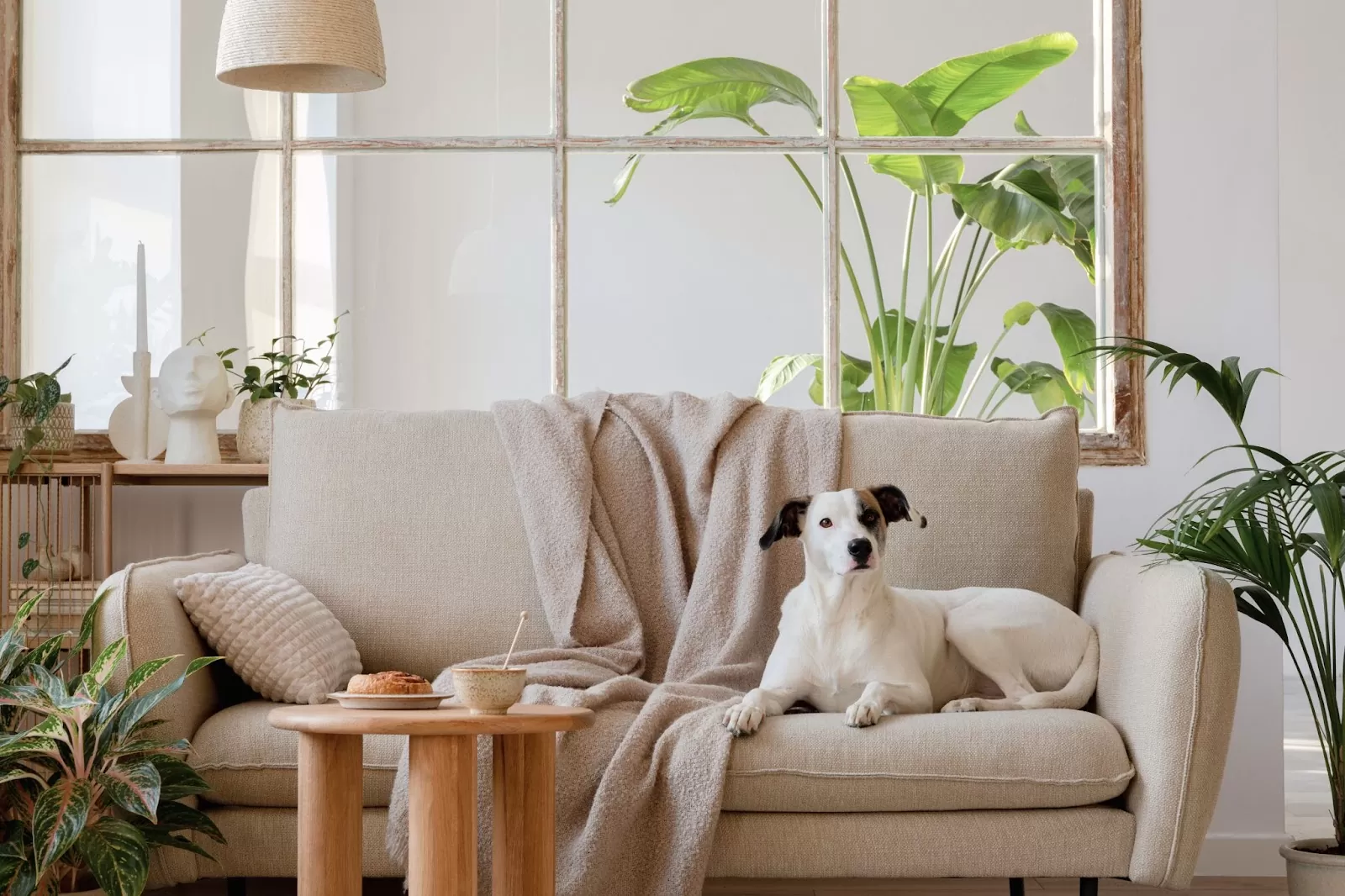
👉 Example: A beige microfiber couch with a patterned navy throw not only elevates style but also hides fur from both white and dark-haired pets.
Creating Open vs. Cozy Spaces for Pets
Like humans, pets have different personalities. Some dogs love open spaces where they can roam, while cats often prefer cozy hiding nooks.
-
Open Spaces – Perfect for high-energy pets like retrievers or border collies. Create large, durable flooring zones and open sightlines.
-
Cozy Spaces – Ideal for cats, small dogs, and anxious pets. Add soft blankets, hideaway beds, and quiet corners.
Balanced homes offer both: open play areas and secluded zones for rest.
Safety, Comfort & Home Organization
Pet-Proofing Every Room in the House
Every pet owner knows how curious animals can be. What seems harmless to us—like a dangling cord, an open trash can, or a scented candle—can be a hazard for pets. Pet-proofing is about preventing accidents before they happen.
-
Living Room – Hide electrical cords, secure curtains, avoid breakable décor at low levels.
-
Kitchen – Lock cabinets with cleaning supplies, keep trash cans sealed, avoid toxic foods (chocolate, grapes, onions).
-
Bathroom – Close toilet lids, keep medicines and cosmetics out of reach.
-
Bedroom – Store jewelry, shoes, and wires safely.
-
Garage & Utility Areas – Store chemicals, paints, and sharp tools in locked cabinets.
👉 A pet-proofed home is also a child-proofed home—safe, clean, and stress-free.
Pet-Friendly Home Design
Safety Hazards in Kitchens, Bathrooms, and Living Rooms
Some rooms are riskier than others. Kitchens and bathrooms, in particular, hold the most hazards.
Common Kitchen Hazards
-
Cleaning agents under the sink.
-
Sharp utensils left on counters.
-
Human foods toxic to pets (xylitol, garlic, chocolate).
Common Bathroom Hazards
-
Open drains and toilets.
-
Essential oils and cosmetics.
-
Electrical appliances (hairdryers, curling irons).
Living Room Hazards
-
Fragile decorations.
-
Houseplants (some toxic to pets).
-
Reclining chairs and rocking furniture that can trap tails/paws.
👉 Pro Tip: Use baby gates or smart pet barriers to restrict access when unsupervised.
Smart Storage for Pet Supplies
Clutter not only disrupts a stylish home but also creates risks (toys scattered on the floor, food bags torn open by curious pets). Smart storage solutions can keep everything in order.
-
Built-in Cabinets – Hideaway spaces for food, leashes, and grooming tools.
-
Pull-Out Feeding Drawers – Food and water bowls tucked into kitchen cabinetry.
-
Baskets & Decorative Bins – Stylish storage for toys in living rooms.
-
Wall-Mounted Racks – Perfect for leashes, collars, and walking gear.
👉 A decluttered home equals a safer and more relaxing environment—for both pets and humans.
Choosing Eco-Friendly and Non-Toxic Materials for Pets
Many household products, from flooring to paint, can release toxins harmful to animals. For example, cats and birds are especially sensitive to fumes from conventional cleaning supplies.
Safe & Eco-Friendly Alternatives
-
Cleaning – Vinegar, baking soda, and pet-safe detergents.
-
Paints – Low-VOC or zero-VOC paints.
-
Textiles – Organic cotton, wool, and hemp.
-
Toys & Accessories – BPA-free, chemical-free, sustainably sourced.
Quick Comparison Table: Eco-Friendly vs. Conventional Materials
| Item | Eco-Friendly Choice | Avoid |
|---|---|---|
| Flooring | Bamboo, cork (sealed) | Vinyl with phthalates |
| Cleaning Products | Vinegar, pet-safe sprays | Ammonia, bleach |
| Textiles | Hemp, organic cotton | Polyester with chemical dyes |
| Paint | Low-VOC, natural paint | High-VOC synthetic paint |
Noise Reduction: Designing a Calm Environment for Sensitive Pets
Pets—especially dogs, cats, and birds—are sensitive to noise. Loud environments may trigger anxiety, leading to destructive behavior or stress.
Solutions for Noise Reduction
-
Install thicker curtains or soundproof blinds.
-
Add rugs and carpets to absorb sound.
-
Use white noise machines to calm anxious pets.
-
Place cages or beds away from busy streets or loud appliances.
👉 Especially helpful for pets during thunderstorms, fireworks, or heavy traffic.
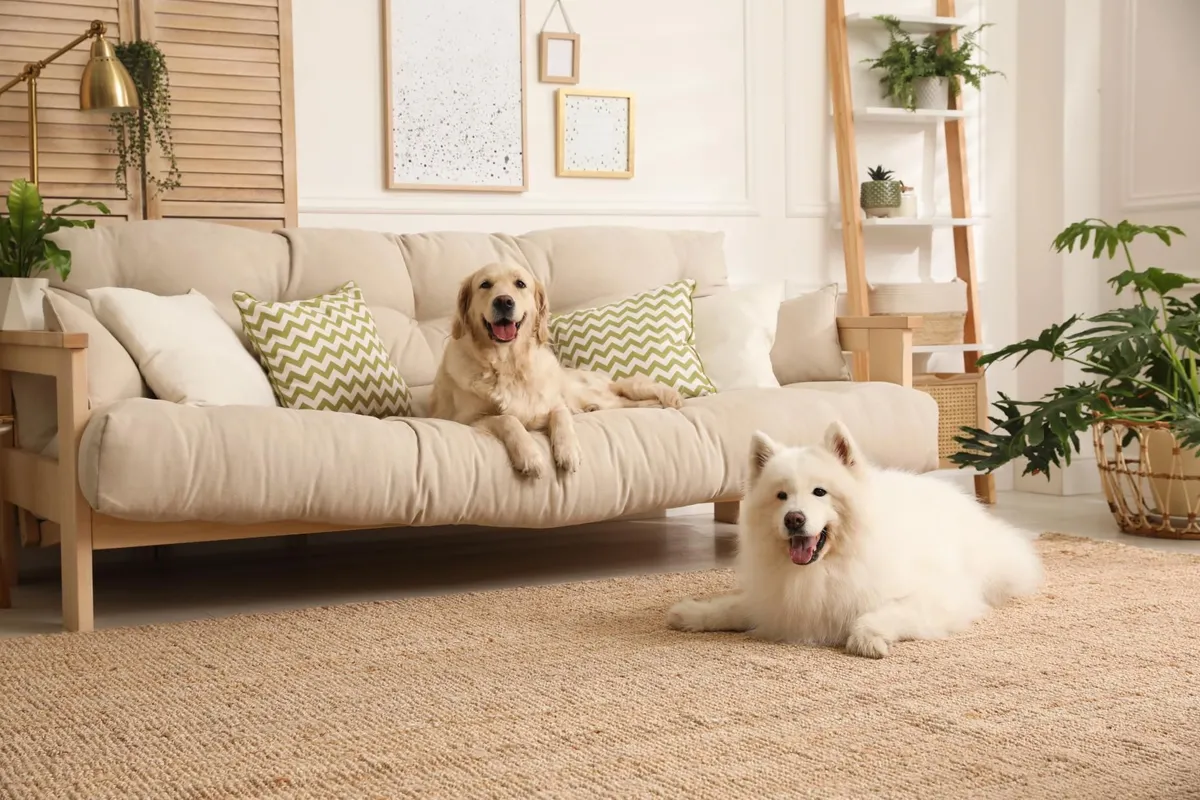
Air Quality and Ventilation for Pet Health
Pets shed fur, dander, and sometimes odors. Poor air circulation can cause respiratory issues for both pets and humans.
Best Practices for Air Quality
-
Use HEPA filters in air purifiers and HVAC systems.
-
Open windows daily for fresh air (but install secure screens).
-
Avoid scented candles and chemical air fresheners.
-
Place natural air purifiers indoors (bamboo palm, areca palm—safe for pets).
💡 Some owners report fewer allergy symptoms once switching to HEPA systems designed for pet homes.
Indoor Plants Safe (and Unsafe) for Pets
Houseplants add beauty and fresh air, but many are toxic to animals.
Safe for Pets
-
Spider plant
-
Areca palm
-
Boston fern
-
Bamboo palm
Toxic to Pets
-
Aloe vera
-
Philodendron
-
Peace lily
-
Snake plant
-
Sago palm
👉 Always cross-check plants with the ASPCA toxic plant list before adding them indoors.
How to Design Entryways & Mudrooms for Pet Owners
Entryways are high-traffic zones where pets often bring in dirt, mud, and fur. A functional entryway can reduce mess and stress.
Design Tips
-
Add a washable rug for muddy paws.
-
Install built-in cubbies for leashes, harnesses, and shoes.
-
Use bench seating with storage to keep towels and wipes handy.
-
Consider a pet shower station in mudrooms for larger breeds.
👉 This simple design upgrade makes daily walks and rainy days much easier.
Pet-Friendly Furniture, Décor & Outdoor Spaces
Multi-Functional Furniture for Humans & Pets
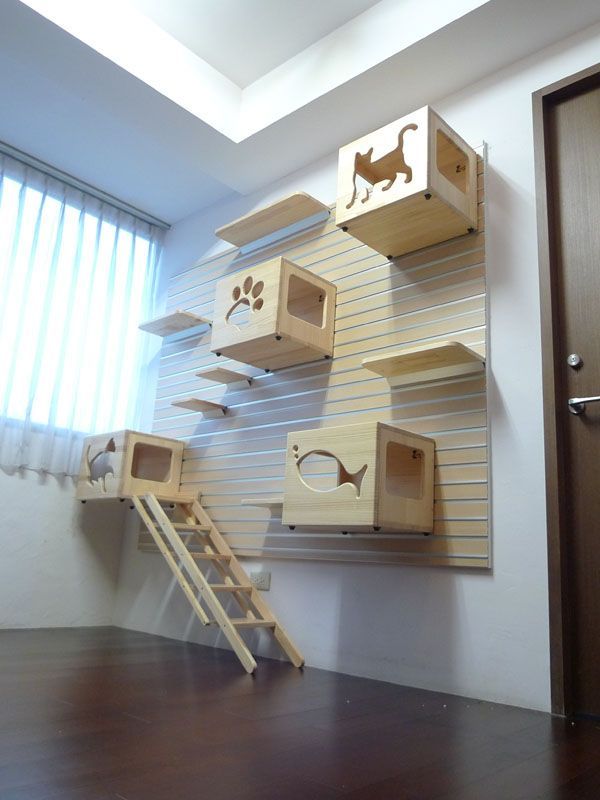
Modern design is shifting toward furniture that serves dual purposes: stylish enough for humans yet functional for pets. Imagine a coffee table with a hidden dog bed, or a bookshelf with a built-in cat perch. These innovations save space, reduce clutter, and keep pets integrated into daily living.
Examples of Multi-Functional Pieces
-
Sofas with built-in pet cushions.
-
Side tables that double as pet crates.
-
Beds with pull-out drawers for pet beds.
-
Ottoman storage that hides toys and grooming supplies.
👉 Designers are blending form and function, creating elegant furniture that no longer screams “pet accessory.”
Pet-Friendly Home Design
Built-In Pet Beds and Nooks in Living Spaces
Dedicated spaces for pets make them feel secure. Many homeowners now integrate built-in beds directly into cabinetry, under staircases, or within entertainment centers.
Benefits of Built-In Pet Nooks
-
Pets gain a sense of territory and security.
-
Reduces clutter compared to free-standing crates.
-
Adds architectural interest to the home.
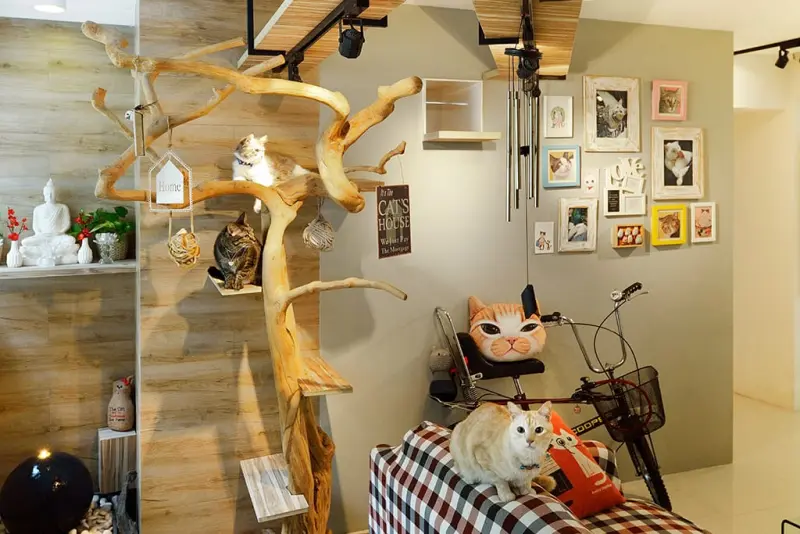
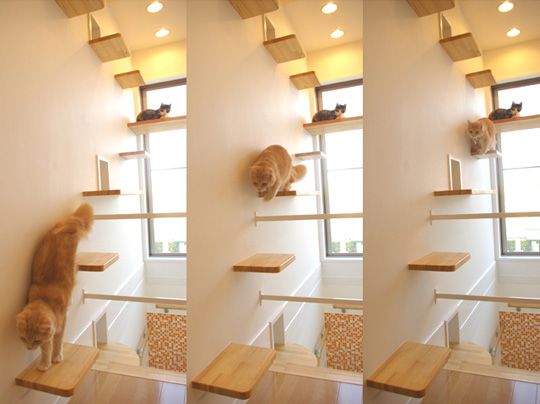
For cats, wall-mounted shelves and window perches allow vertical exploration while complementing décor. Dogs love cozy nooks near family activity zones—keeping them close without being in the way.
Stylish Pet Gates, Crates, and Play Areas
Traditional crates and gates are often bulky and unattractive. Modern alternatives prioritize design and integration.
Trendy Options
-
Wooden pet gates that match flooring or furniture.
-
Clear acrylic barriers (minimalist and elegant).
-
Decorative crates designed to look like cabinets.
-
Portable playpens that blend with neutral interiors.
👉 These items no longer interrupt style—they enhance it.
Rugs and Carpets: Best Picks for Pet Homes
Rugs tie a room together, but in pet households, they also face fur, claws, and accidents. Choosing wisely ensures both style and durability.
Best Rug Materials for Pet Owners
-
Indoor-Outdoor Rugs – Washable, durable, stain-resistant.
-
Wool – Naturally resistant to stains and odors.
-
Polypropylene – Budget-friendly, easy to clean.
Avoid
-
Silk, viscose, or shag rugs (trap fur, hard to clean).
👉 Machine-washable rugs (like Ruggable) have become a pet-owner favorite, combining design flexibility with convenience.
Outdoor Design: Pet-Friendly Patios, Yards, and Balconies
Outdoor spaces are an extension of the home. Designing them with pets in mind makes them safer and more enjoyable.
Pet-Friendly Patio Ideas
-
Install shade structures to prevent overheating.
-
Choose non-toxic plants for landscaping.
-
Add durable outdoor rugs that resist claws.
-
Incorporate a small fountain or water station for hydration.
Yard Enhancements
-
Artificial turf or pet-safe grass for easy cleanup.
-
Gravel or stone pathways for mud-free walking.
-
Agility zones for dogs to exercise.
👉 A well-planned outdoor space keeps pets active, stimulated, and safe.
Fencing Options for Safety and Freedom
Pets need freedom, but safety must come first. The right fencing ensures boundaries without ruining curb appeal.
Popular Pet-Safe Fencing Options
-
Vinyl Fencing – Durable, chew-resistant, easy to clean.
-
Wrought Iron with Panels – Stylish but requires narrow spacing.
-
Wood Fencing – Classic but needs regular maintenance.
-
Invisible Fencing – Effective but controversial; best used with positive training.
👉 Always check local regulations before installing fences, especially in urban neighborhoods.
Swimming Pools, Ponds, and Water Features for Pets
Water features bring joy to pets but also potential hazards. Safety and design must go hand in hand.
Design Considerations
-
Add gradual slopes or pet-friendly ramps for pools.
-
Use pond covers to protect small pets.
-
Install fountains with shallow basins for drinking.
-
Ensure non-slip surfaces around pools and patios.
Dogs often love splashing, while cats may prefer observing from safe perches. The goal is inclusion without risk.
Balcony & High-Rise Safety for Cats and Small Dogs
For urban pet owners, balconies and terraces provide outdoor exposure—but without precautions, they can be dangerous.
Safety Tips
-
Install catios (enclosed outdoor patios for cats).
-
Use mesh or plexiglass barriers to prevent falls.
-
Ensure balconies are free of toxic plants or small objects.
-
Add shaded corners to prevent overheating.
👉 Many pet parents in apartments now opt for modular catios that attach securely to windows or small balconies.
Lifestyle, Technology & Maintenance
Cleaning & Maintenance Hacks for Pet Homes
Keeping a pet-friendly home stylish and fresh can be challenging, but smart cleaning hacks make it manageable.
-
Robot Vacuums with Pet Features – Designed to pick up fur and dander.
-
Washable Couch Covers & Rugs – Quick replacements during heavy shedding seasons.
-
Lint Rollers & Rubber Gloves – Simple tools for daily upkeep.
-
Odor Neutralizers – Baking soda and activated charcoal solutions.
👉 Daily small habits prevent big messes.
Smart Home Gadgets for Pet Owners
Technology now plays a major role in making pet homes safer and more interactive.
-
Automatic Feeders – Maintain consistent feeding times.
-
Pet Cameras with Treat Dispensers – Let owners interact remotely.
-
GPS Trackers & Smart Collars – Monitor location and health.
-
Climate Sensors – Adjust temperature for comfort.
These gadgets help owners stay connected, even when away from home.
Pet-Friendly Lighting & Climate Control
Lighting and climate impact pet comfort as much as human comfort.
-
Use dim lighting at night to reduce anxiety.
-
Provide sunny spots indoors for pets to nap.
-
Maintain stable indoor temperatures with smart thermostats.
-
Avoid drafts near pet resting zones.
How to Travel and Move with Pets Comfortably
Relocating or traveling with pets can be stressful—but preparation eases the process.
-
Before Moving – Introduce crates or carriers gradually.
-
During Travel – Bring familiar toys, bedding, and food.
-
After Moving – Set up a familiar “comfort zone” right away.
👉 The key is minimizing changes and keeping routines consistent.
Budget vs. Luxury: Designing a Pet-Friendly Home on Any Budget
Pet-friendly design doesn’t need to break the bank.
Budget Options
-
DIY pet beds with washable covers.
-
Repurposed crates as side tables.
-
Affordable washable rugs.
Luxury Options
-
Designer pet furniture.
-
Custom cabinetry with built-in feeding stations.
-
Automated litter boxes and climate-controlled crates.
👉 The goal isn’t price—it’s balance, comfort, and safety.
Case Studies: Real Homes Designed Around Pets
-
Urban Apartment (Cat-Centric) – Vertical climbing walls, balcony catio, washable rugs.
-
Suburban Dog-Friendly Home – Mudroom shower, large fenced yard, pet entry door.
-
Eco-Friendly Family Home with Rabbits – Enclosed garden runs, bamboo flooring, hemp textiles.
These real-life setups prove style and pet needs can coexist beautifully.
FAQ – Pet-Friendly Home Design
Q1: Why should I design a pet-friendly home?
A pet-friendly home reduces accidents, stress, and damage while keeping both owners and pets comfortable.
Q2: What are the best fabrics for homes with pets?
Microfiber, leather, canvas, and performance fabrics are durable and stain-resistant.
Q3: How do I keep my house stylish but pet-proof?
Choose furniture with washable slipcovers, use decorative storage, and incorporate multi-functional pieces.
Q4: What are the most common hazards in pet homes?
Toxic plants, cleaning chemicals, electrical cords, and unsafe food left out in kitchens.
Q5: How do I design a pet-friendly outdoor space?
Use safe fencing, shade structures, and non-toxic plants. Add play areas or agility zones for stimulation.
Q6: Can I keep indoor plants with pets?
Yes—but only pet-safe plants like spider plants, Boston ferns, or areca palms.
Q7: What are the best flooring options for pet homes?
Vinyl, tile, stone, and engineered hardwood with durable finishes. Avoid carpet or glossy wood.
Q8: Are smart home gadgets worth it for pets?
Yes—cameras, feeders, and GPS trackers help owners monitor health and safety.
Q9: How do I pet-proof a small apartment?
Focus on vertical spaces (for cats), hidden storage, and compact multi-purpose furniture.
Q10: Can a pet-friendly home still look elegant?
Absolutely—modern designers create pet-safe solutions that blend seamlessly with luxury interiors.
Conclusion: Blending Style, Comfort, and Love
A pet-friendly home isn’t just about safety—it’s about creating harmony between humans and animals. From durable flooring to stylish furniture, eco-friendly materials to smart technology, every choice contributes to a balanced lifestyle where pets thrive without compromising elegance.
Ultimately, the best pet-friendly homes are built on love, foresight, and attention to detail. When pets feel safe, secure, and stimulated, families enjoy deeper companionship, reduced stress, and a more joyful home environment.