


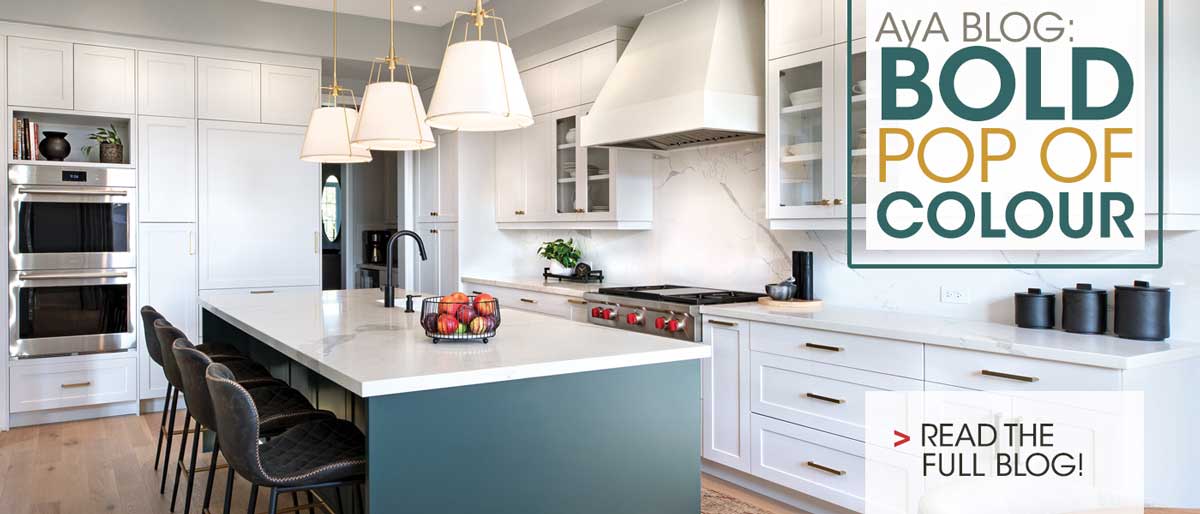
Part 1: Introduction & Modern Kitchen Trends
1.1 Introduction: The Heart of the Home
The kitchen and dining area are the beating heart of any home. Beyond being a functional space for cooking and eating, these rooms have evolved into social hubs, design statements, and lifestyle centers. Whether you are preparing a quick breakfast, hosting a dinner party, or simply enjoying a coffee while reading the morning news, the right kitchen and dining setup transforms daily routines into memorable experiences.
In 2025, kitchen and dining trends are no longer limited to aesthetics. Modern homeowners are looking for functionality, smart technology, eco-friendliness, and personalized design. Every appliance, every countertop, and every chair contributes to a seamless balance of style and practicality.
SEO Insight:
Keywords naturally embedded: modern kitchen design, dining room trends, kitchen appliances 2025, small kitchen ideas, eco-friendly kitchen.
1.2 Modern Kitchen Design Trends
1.2.1 Open vs. Closed Kitchens
-
Open kitchens blend seamlessly with dining and living areas, promoting social interaction. Ideal for families and entertaining guests.
-
Closed kitchens maintain a defined workspace, preventing cooking odors from spreading. They offer privacy and focused workflow.
Trend Analysis 2025: Open kitchens dominate urban apartments, while closed kitchens remain popular in luxury and traditional homes.
1.2.2 Minimalist and Industrial Styles
-
Minimalist kitchens: clean lines, neutral colors, hidden storage. Focus on simplicity and clutter-free spaces.
-
Industrial kitchens: exposed brick, metal accents, rustic wood. They evoke a sense of rugged sophistication.
1.2.3 Scandinavian Influence
-
Light wood finishes, white cabinetry, functional layouts.
-
Incorporates natural lighting and eco-friendly materials.
1.2.4 Color and Material Trends
-
Color Palettes: Muted tones, deep greens, soft blues, and warm earthy shades.
-
Countertops: Quartz, granite, recycled materials for durability and aesthetics.
-
Cabinets: Matte finishes, handleless designs, two-tone combinations.
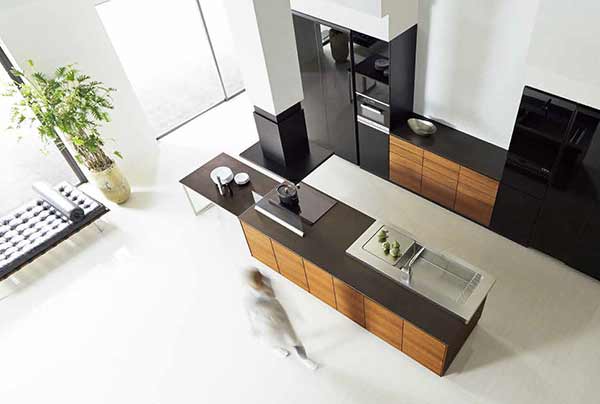
Essential Home & Décor Product Reviews: Complete Reviews and Comparisons
1.3 Essential Kitchen Equipment
1.3.1 Smart Appliances
-
Smart ovens: preheat remotely, recipe integration, energy efficiency.
-
Smart refrigerators: temperature zones, inventory tracking, voice assistant integration.
-
Dishwashers: water-saving, quiet operation, multiple washing programs.
1.3.2 Must-Have Tools for Every Kitchen
-
Chef knives, cutting boards, non-stick pans, and measuring sets.
-
Multi-functional kitchen gadgets: air fryers, immersion blenders, food processors.
Table 1: Top Kitchen Appliances 2025
| Appliance | Feature Highlights | Average Price (USD) |
|---|---|---|
| Smart Oven | Wi-Fi, remote control, recipe guidance | $450–$1200 |
| Smart Fridge | Temperature zones, app control | $800–$2500 |
| Air Fryer | Multi-function, fast cooking | $120–$400 |
| Food Processor | 10+ attachments, high power | $80–$350 |
| Dishwasher | Eco-mode, quiet operation | $400–$1000 |
1.4 Dining Room Design
1.4.1 Choosing the Right Dining Table and Chairs
-
Consider size, shape, and material: round tables for small spaces, rectangular for large gatherings.
-
Chairs should balance comfort and style, complementing the table and room decor.
1.4.2 Space-Saving Ideas for Small Apartments
-
Extendable tables
-
Foldable chairs
-
Bench seating for compact dining areas
1.4.3 Lighting and Decor Trends
-
Pendant lights above dining tables create focal points.
-
Layered lighting: combine ambient, task, and accent lighting.
-
Decorative elements: rugs, plants, art, and table centerpieces.
Table 2: Dining Table Materials and Durability
| Material | Durability | Style Flexibility | Maintenance |
|---|---|---|---|
| Solid Wood | High | Classic, Rustic, Modern | Medium |
| Glass | Medium | Modern, Minimalist | High (fingerprints) |
| Marble | Very High | Luxurious | Medium |
| Metal | High | Industrial, Modern | Low |
| Laminate | Medium | Affordable, Variety | Low |
1.5 Integrating Kitchen and Dining Spaces
The most successful modern homes blend kitchen and dining seamlessly. This allows for:
-
Efficient workflow between cooking and serving
-
Enhanced social interaction during meal preparation
-
Better use of natural light and open floor plans
Tips for Integration:
-
Island seating: Breakfast bar or casual dining spot.
-
Consistent color schemes: Connect kitchen cabinets and dining furniture visually.
-
Multi-functional furniture: Extendable tables and mobile islands for versatile use.
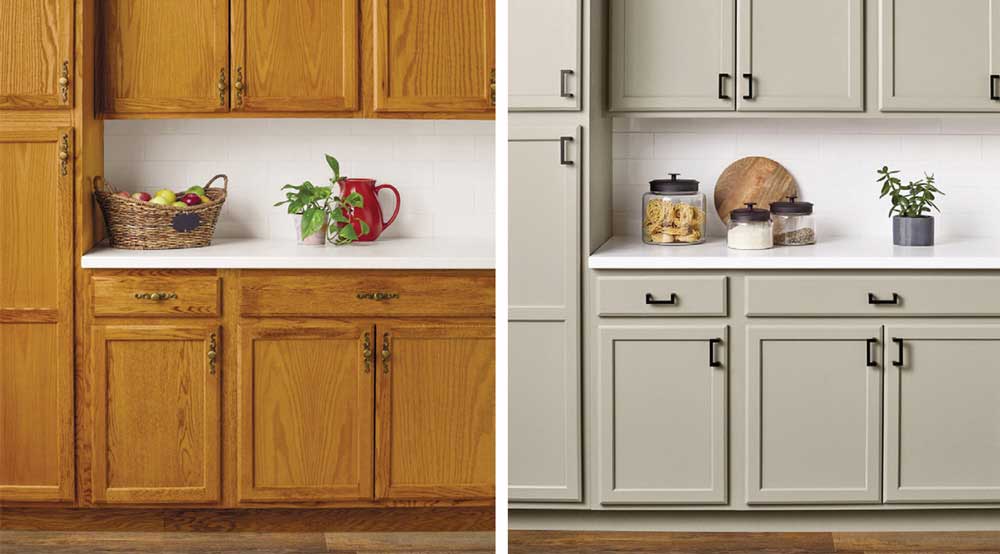
Mastering Kitchen Design: Space, Style, and Smart Appliances for Your Home
1.6 Conclusion of Part 1
In 2025, the kitchen and dining area are more than functional spaces—they are central to lifestyle, design, and social interaction. Investing in modern appliances, intelligent layouts, sustainable materials, and ergonomic furniture ensures that these spaces are practical, stylish, and future-proof.
Part 2: Kitchen Storage, Organization & Ergonomics
2.1 Cabinets and Storage Solutions
An efficiently organized kitchen is the backbone of functional cooking and dining. In 2025, homeowners prioritize both style and practicality when it comes to kitchen storage.
2.1.1 Modular Cabinets
-
Pre-fabricated units that fit together seamlessly
-
Advantages: Easy to install, cost-effective, customizable layouts
-
Ideal for apartments or spaces with standard dimensions
2.1.2 Custom Cabinets
-
Built to specific dimensions and preferences
-
Advantages: Maximize storage, incorporate unique features, match overall kitchen design
-
Drawback: Higher initial cost
2.1.3 Pull-Out Drawers & Lazy Susans
-
Pull-out drawers for pots, pans, and utensils reduce clutter
-
Lazy Susans in corner cabinets optimize unused spaces
2.1.4 Pantry Solutions
-
Tall cabinets for dry goods
-
Modular shelves, labeled containers, and adjustable racks
Table 1: Cabinet Materials and Pros/Cons
| Material | Durability | Cost | Maintenance | Style Flexibility |
|---|---|---|---|---|
| Solid Wood | High | $$$ | Medium | Classic, Rustic, Modern |
| MDF | Medium | $$ | Medium | Painted or laminated |
| Plywood | High | $$$ | Low | Modern, Versatile |
| Laminate | Medium | $ | Low | Variety of colors |
| Metal | High | $$$ | Low | Industrial, Contemporary |
2.2 Kitchen Ergonomics
Creating a kitchen that is comfortable, efficient, and safe is essential for any home. Proper ergonomics improves cooking efficiency and reduces strain.
2.2.1 Counter Heights
-
Standard counter height: 36 inches (91–92 cm)
-
Adjustable counters for specialized cooking or multi-user kitchens
2.2.2 Work Triangle Layout
-
Triangle concept: Stove, fridge, sink
-
Ensures smooth movement between prep, cooking, and cleaning zones
2.2.3 Accessibility
-
Pull-down shelves for high cabinets
-
Drawer dividers for utensils
-
Clear, labeled containers for pantry items
2.3 Small Kitchen Solutions
Urban apartments and compact homes require smart storage and layout solutions:
2.3.1 Vertical Storage
-
Wall-mounted racks for spices, utensils, and cookware
-
Magnetic knife strips and hanging hooks
2.3.2 Multifunctional Islands
-
Kitchen islands with built-in storage, seating, or appliances
-
Can double as dining or prep space
2.3.3 Foldable & Hidden Solutions
-
Foldable dining tables or counters
-
Pull-out cutting boards
-
Hidden trash bins and recycling stations
Table 2: Space Efficiency Solutions
| Solution | Ideal For | Pros | Cons |
|---|---|---|---|
| Wall-mounted racks | Small kitchens | Maximize vertical space | Visual clutter if not organized |
| Multifunctional island | Medium-large kitchens | Prep + storage + seating | Requires floor space |
| Pull-out pantry | Narrow kitchens | Maximizes storage | Installation cost |
| Foldable table | Compact apartments | Saves space | Limited durability for heavy use |
2.4 Dining Organization
A well-organized dining area enhances both aesthetics and functionality.
2.4.1 Storage Furniture
-
Buffet tables & sideboards: Store dishes, linens, and tableware
-
China cabinets: Display and protect delicate glassware
2.4.2 Tableware Organization
-
Drawer organizers for cutlery and utensils
-
Vertical stacking for plates and bowls
-
Glass racks to prevent scratches
2.4.3 Seasonal & Special Items
-
Store rarely used items in labeled bins
-
Rotate seasonal tableware to maintain freshness
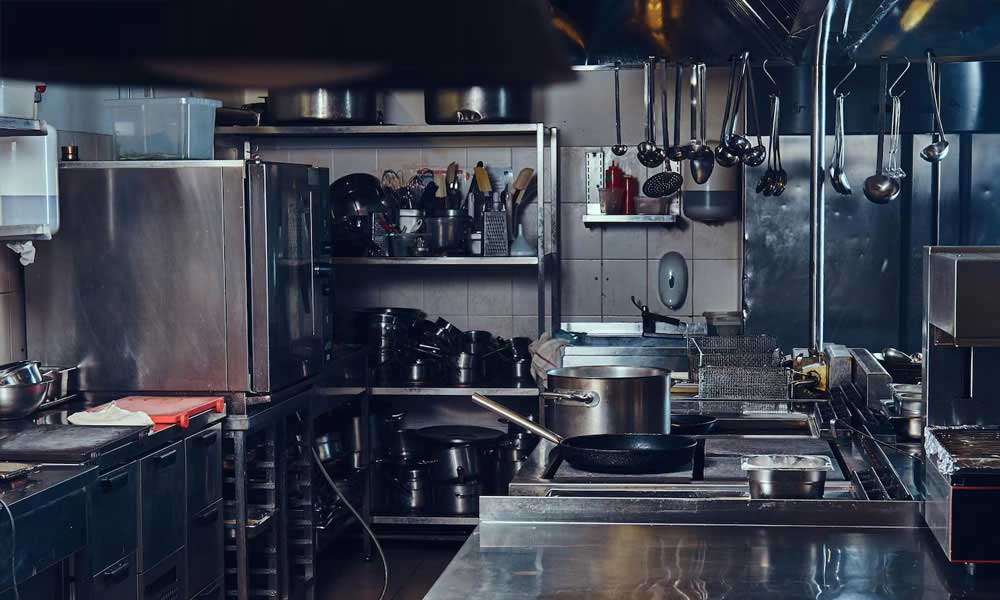
Modern Kitchen Tools 2025
2.5 Tips for Maintaining Organization
-
Declutter regularly: Remove unused appliances and utensils
-
Label everything: Clear bins, jars, and containers
-
Maximize corner spaces: Corner drawers or rotating shelves
-
Use clear containers: Easily identify ingredients and reduce food waste
-
Plan zones: Prep zone, cooking zone, cleaning zone, and dining prep zone
2.6 Kitchen & Dining Accessories in 2025
2.6.1 Smart Storage Accessories
-
Adjustable drawer dividers
-
Stackable bins
-
Modular spice racks
2.6.2 Dining Organization Tools
-
Lazy Susan for table
-
Foldable serving trays
-
Modular utensil holders
Table 3: Recommended Kitchen & Dining Accessories
| Accessory | Function | Price Range (USD) | Key Benefit |
|---|---|---|---|
| Modular Spice Rack | Organize spices | $20–$80 | Easy access, compact |
| Pull-out Drawer Divider | Cutlery storage | $15–$50 | Keeps drawers neat |
| Lazy Susan | Table rotation | $25–$70 | Easy serving |
| Foldable Table Tray | Dining & serving | $30–$90 | Space-saving & portable |
| Stackable Storage Bin | Pantry storage | $10–$40 | Maximize vertical space |
2.7 Integrating Ergonomics and Design
-
Align cabinet heights with frequent users
-
Optimize counter space for meal prep
-
Ensure walking paths between appliances and dining areas
-
Incorporate ergonomic seating for comfort and posture
By combining storage solutions, ergonomic design, and smart organization, homeowners can create kitchens that are both beautiful and highly functional—perfect for the modern lifestyle.
Conclusion of Part 2
A well-organized kitchen and dining space is the cornerstone of convenience, efficiency, and comfort. In 2025, the focus is on:
-
Smart storage and modular solutions
-
Ergonomic layouts and workflow optimization
-
Space-saving solutions for small kitchens
-
Stylish yet practical dining organization
These strategies enhance daily life, reduce stress, and create an inviting space for family and guests.
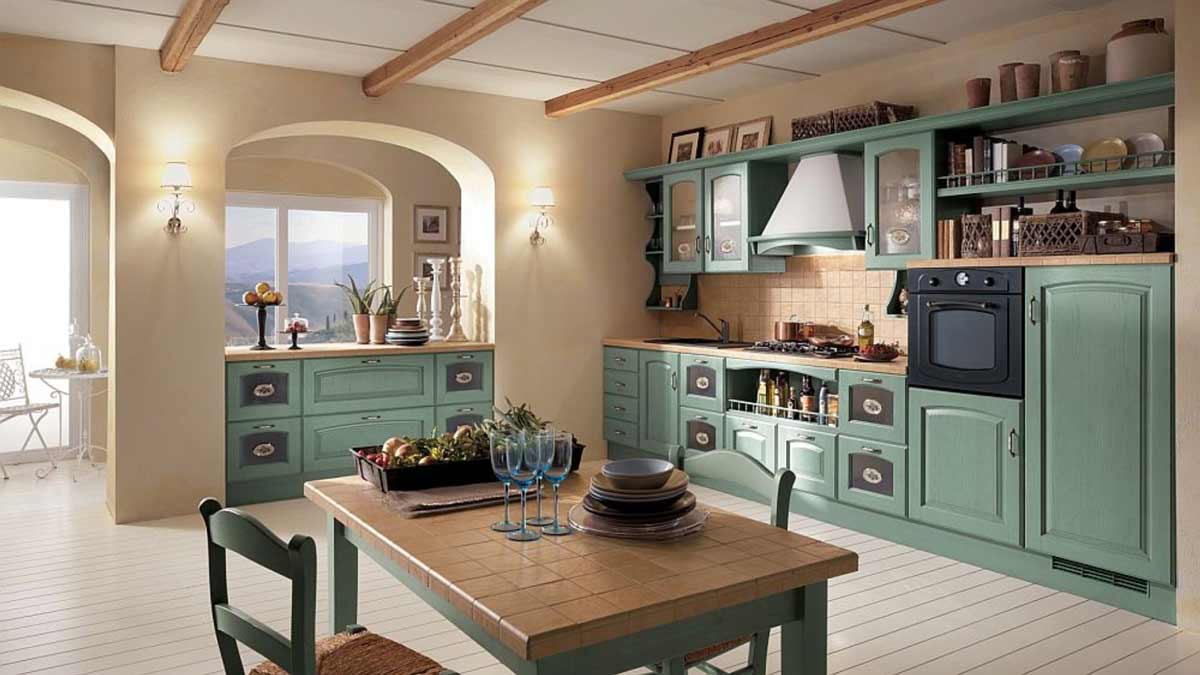
Top Kitchen Designs for 2025
Part 3: Cooking, Recipes & Lifestyle Integration
3.1 Cooking Spaces: Zones and Workflow
A well-designed kitchen is not just about aesthetics—it’s about efficiency, comfort, and joy in cooking. Creating distinct zones ensures smooth meal preparation, whether cooking for one or entertaining guests.
3.1.1 The Three Key Zones
-
Prep Zone – Countertops and tools for chopping, mixing, and assembling ingredients
-
Cooking Zone – Stove, oven, air fryer, and other heat-based appliances
-
Cleaning Zone – Sink, dishwasher, and waste management
Pro Tip: Maintain a triangle workflow (fridge → prep → cooking → cleaning) to save time and reduce unnecessary movement.
3.1.2 Multi-functional Kitchen Islands
-
Can serve as prep area, casual dining, storage, and appliance station
-
Ideal for open-plan kitchens
-
Incorporates seating for social interaction during cooking
3.2 Popular Cooking Methods in 2025
Cooking techniques and appliances are evolving rapidly, with smart devices and energy-efficient solutions dominating the market.
3.2.1 Induction Cooking
-
Fast, precise heating
-
Energy-efficient and safe
-
Compatible with magnetic cookware
3.2.2 Convection Ovens
-
Even heat distribution
-
Ideal for baking, roasting, and grilling
-
Reduces cooking time and energy consumption
3.2.3 Air Fryers
-
Low-oil cooking, healthier meals
-
Multi-function: fry, bake, grill, and roast
-
Perfect for small kitchens with limited counter space
3.2.4 Steam Cooking
-
Preserves nutrients and flavor
-
Efficient for vegetables, fish, and rice
-
Works well with smart appliances integrated into modern kitchens
Table 1: Cooking Appliances Comparison 2025
| Appliance | Cooking Method | Energy Efficiency | Key Benefit |
|---|---|---|---|
| Induction Stove | Magnetic induction | High | Fast, precise, safe |
| Convection Oven | Hot air circulation | Medium | Even cooking, versatile |
| Air Fryer | Hot air circulation | High | Healthy, compact |
| Steam Oven | Steam cooking | Medium | Nutrient retention, gentle |
| Multi-cooker | Pressure + slow cook | High | Versatile, saves time |
3.3 Integrating Dining into Lifestyle
The dining space should reflect lifestyle, family habits, and personal taste. In 2025, flexible, functional, and social dining setups are trending.
3.3.1 Casual vs. Formal Dining
-
Casual dining: Everyday meals, breakfast bars, kitchen islands
-
Formal dining: Dedicated dining rooms, large tables, elegant seating, proper lighting
3.3.2 Outdoor Dining Ideas
-
Balconies, patios, and gardens
-
Weatherproof furniture, foldable seating, and multi-functional tables
-
Incorporating plants and ambient lighting for atmosphere
3.3.3 Family-Friendly Dining
-
Kid-safe furniture
-
Durable materials resistant to spills and scratches
-
Easy-to-clean surfaces
3.4 Meal Prep and Cooking Efficiency
3.4.1 Planning Weekly Meals
-
Saves time and reduces food waste
-
Use storage containers for portioning
-
Integrate smart apps for grocery lists and recipes
3.4.2 Smart Kitchen Tools
-
Digital scales, timers, and connected thermometers
-
Recipe apps with step-by-step instructions
-
IoT-enabled appliances that notify you when cooking is done
3.4.3 Multi-functional Tools
-
Blenders, food processors, and mixers for prep
-
Stackable pots and nesting pans for storage efficiency
-
Modular utensils that serve multiple purposes
Table 2: Smart Kitchen Devices Comparison
| Device | Smart Features | Price Range (USD) | Best For |
|---|---|---|---|
| Smart Oven | Wi-Fi, recipe integration, preheat remotely | $450–$1200 | Baking, roasting |
| Smart Fridge | Inventory tracking, temperature zones | $800–$2500 | Families, meal planning |
| Digital Scale | App integration, nutritional tracking | $30–$100 | Meal prep, portion control |
| Multi-cooker | App control, multiple cooking modes | $150–$400 | Versatile cooking |
| Immersion Blender | Cordless, variable speed | $40–$120 | Soups, smoothies, sauces |
3.5 Recipes and Cooking Inspiration
3.5.1 Trending Cuisine Styles 2025
-
Plant-based and vegan recipes
-
Fusion cuisines mixing global flavors
-
Quick and healthy weekday meals
3.5.2 Recipe Organization
-
Keep printed or digital recipe books in accessible locations
-
Categorize by prep time, cuisine, or dietary requirements
3.5.3 Cooking Challenges for Engagement
-
Family cooking nights
-
Themed dinner parties
-
Meal prep competitions to encourage creativity
3.6 Dining Room Integration Tips
-
Unified Style: Match furniture, lighting, and accessories to the kitchen for seamless flow
-
Flexible Layout: Adjustable tables, foldable chairs, and seating that adapts to guests
-
Lighting Strategy: Layered lighting for functionality and ambiance
-
Storage Near Dining Area: Sideboards, buffet tables, and shelves for easy access to tableware
Table 3: Dining Setups for Families & Entertainers
| Setup Type | Ideal For | Key Features | Space Requirement |
|---|---|---|---|
| Casual Kitchen Island | Everyday family meals | Breakfast bar, seating | Small-medium kitchens |
| Formal Dining Room | Entertaining guests | Large table, pendant lighting | Medium-large rooms |
| Outdoor Patio Dining | Alfresco meals | Weatherproof furniture | Balcony or backyard |
| Multi-purpose Dining | Small apartments | Foldable table, stackable chairs | Compact spaces |
3.7 Lifestyle Integration Takeaways
-
Kitchens are not just for cooking; they are spaces for interaction, creativity, and wellness
-
Efficient layouts and smart appliances save time and reduce stress
-
Dining areas should be flexible, comfortable, and reflective of lifestyle
Conclusion of Part 3
By optimizing cooking zones, integrating smart appliances, and designing functional dining areas, homeowners can transform kitchens into multi-purpose lifestyle hubs. Modern kitchens in 2025 focus on:
-
Efficiency and ergonomics
-
Smart technology and connectivity
-
Space-saving solutions and organization
-
Blending kitchen and dining seamlessly
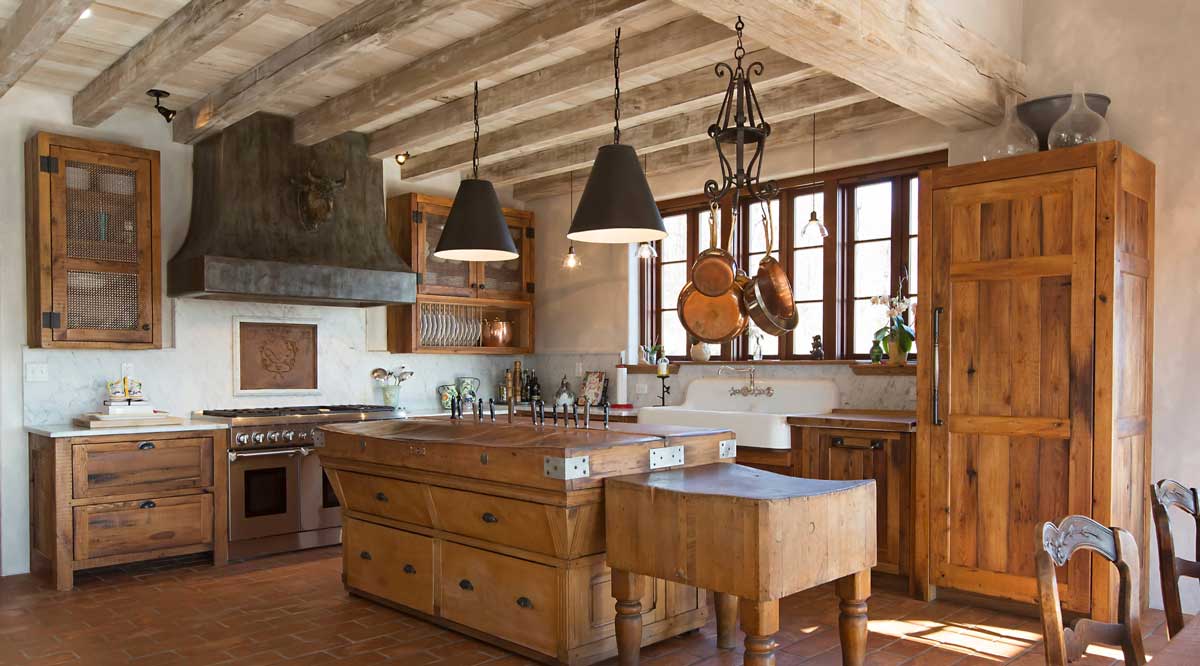
Mastering Kitchen Design: Space, Style, and Smart Appliances for Your Home
Part 4: Technology, Smart Kitchens & Sustainability
4.1 Smart Kitchen Devices: The Future of Cooking
In 2025, smart kitchens are transforming how we cook, organize, and manage meals. IoT (Internet of Things) devices connect appliances, apps, and sensors to create a seamless cooking experience.
4.1.1 Smart Refrigerators
-
Track inventory and expiry dates
-
Suggest recipes based on available ingredients
-
Voice assistant integration for hands-free control
4.1.2 Smart Ovens
-
Remote preheating via mobile apps
-
Recipe integration with step-by-step instructions
-
Energy-efficient cooking programs
4.1.3 Smart Coffee Makers
-
Schedule brewing times
-
Customize strength, temperature, and cup size
-
Integration with smart home assistants
4.1.4 Connected Dishwashers
-
Remote start/stop and monitoring
-
Energy and water efficiency alerts
-
Smart cycle suggestions based on load type
Table 1: Top Smart Kitchen Devices 2025
| Device | Smart Features | Price Range (USD) | Best For |
|---|---|---|---|
| Smart Fridge | Inventory tracking, recipe suggestions | $800–$2500 | Families, meal planning |
| Smart Oven | Remote preheat, app recipes | $450–$1200 | Baking, roasting |
| Smart Coffee Maker | Brew scheduling, voice control | $150–$500 | Daily coffee routines |
| Connected Dishwasher | Remote control, load monitoring | $400–$1000 | Efficient cleaning |
| Multi-functional Air Fryer | App recipes, auto-cook | $120–$400 | Quick meals, health-conscious |
4.2 Sustainable & Eco-Friendly Kitchens
Sustainability is no longer optional; it’s a core design principle. Homeowners now prefer eco-friendly materials and energy-efficient appliances that reduce environmental impact.
4.2.1 Eco-Friendly Materials
-
Bamboo and FSC-certified wood: Durable, renewable
-
Recycled metal & glass: Modern, minimalistic, sustainable
-
Low-VOC paints and finishes: Safe for indoor air quality
4.2.2 Energy Efficiency
-
Induction stoves: 90% energy efficiency
-
Smart ovens: Shorter cooking times, reduced energy consumption
-
LED lighting for kitchen and dining areas
4.2.3 Water Conservation
-
Low-flow faucets and aerators
-
Smart dishwashers with water-saving modes
-
Greywater recycling options for larger homes
Table 2: Eco-Friendly Kitchen Material Comparison
| Material | Durability | Eco-Friendliness | Maintenance | Cost |
|---|---|---|---|---|
| Bamboo | High | Renewable | Low | $$ |
| Recycled Metal | High | Upcycled | Low | $$ |
| Recycled Glass | Medium | Upcycled | Medium | $$ |
| Low-VOC Paint | Medium | Safe for indoor air | Low | $ |
| FSC Wood | High | Certified Sustainable | Medium | $$$ |
4.3 Smart Dining Solutions
Technology extends beyond the kitchen into dining spaces. Smart solutions enhance convenience, comfort, and family interaction.
4.3.1 App-Based Meal Planning
-
Integrates inventory tracking from smart fridge
-
Generates grocery lists automatically
-
Suggests balanced meals for families
4.3.2 Smart Table Settings
-
Adjustable lighting for ambiance
-
Temperature-controlled surfaces for hot/cold dishes
-
Built-in charging stations for devices during meals
4.3.3 Connected Appliances for Dining
-
Portable induction cooktops
-
Self-heating or self-cooling serving dishes
-
Smart beverage dispensers
Table 3: Smart Dining Accessories Comparison
| Accessory | Feature | Price Range (USD) | Benefit |
|---|---|---|---|
| App-based Meal Planner | Inventory + recipe suggestions | $10–$50/month | Saves time, reduces waste |
| Smart Table | Adjustable lighting & temp | $500–$1200 | Enhances dining experience |
| Self-heating Dish | Temperature-controlled | $100–$300 | Keeps food warm |
| Smart Beverage Dispenser | Custom drinks, app control | $150–$400 | Convenience, consistency |
| Portable Induction Cooktop | IoT-enabled | $80–$250 | Quick table-top cooking |
4.4 Sustainability in Appliances
4.4.1 Energy Star & Efficiency Ratings
-
Choose appliances with Energy Star or equivalent certifications
-
Reduces electricity bills and environmental footprint
4.4.2 Long-Lasting Materials
-
Stainless steel appliances last decades
-
Durable cabinetry reduces replacement waste
4.4.3 Recycling & Disposal
-
Recycle old appliances
-
Choose brands with take-back or trade-in programs
4.5 Integrating Smart Tech with Lifestyle
-
Seamless experience: Voice commands, mobile apps, and sensors
-
Time-saving: Smart appliances reduce cooking and cleanup time
-
Safety: Alerts for overheating, gas leaks, or open ovens
-
Personalization: Recipe recommendations based on preferences
Top Tips for a Smart, Sustainable Kitchen
-
Plan connectivity: Ensure Wi-Fi coverage for all devices
-
Prioritize essential smart appliances first to avoid overspending
-
Integrate eco-friendly design with smart technology
-
Educate family members on efficient use of appliances
-
Regular maintenance ensures longevity and energy efficiency
4.6 Conclusion of Part 4
The future kitchen is smart, sustainable, and personalized. By combining cutting-edge technology, eco-friendly materials, and connected dining solutions, homeowners can create spaces that are:
-
Efficient and effortless
-
Environmentally responsible
-
Adaptable to modern lifestyles
-
Safe, comfortable, and stylish
Smart kitchens are not just a luxury—they are a necessity for modern living in 2025, transforming cooking, dining, and family interaction into a seamless, enjoyable experience.