

The Heart of Modern Homemaking — Why 2025 Is a Turning Point
Introduction: The Home as a Living Story
In 2025, homemaking is no longer just about keeping a house clean or managing meals. The modern home has transformed into a living story, a reflection of personality, values, and emotional wellbeing. Every corner of the house tells a tale — from the kitchen where family memories simmer, to the bedroom where rest rejuvenates the mind, and even to the living room, where comfort meets style.
This evolution of homemaking is driven by three main forces: human touch, technology, and sustainability. Today, homemakers no longer need to choose between efficiency and warmth; the two coexist harmoniously in smart, sustainable, and emotionally engaging homes.
Section 1: The Emotional Core of Homemaking
At its essence, homemaking is about creating environments that nurture life. Emotional intelligence in domestic spaces has become as crucial as organization. Here’s why:
-
Comfort and Emotional Security: A well-organized home reduces anxiety, improves mental clarity, and fosters stronger family bonds.
-
Expression of Identity: Personalized décor, colors, textures, and lighting turn spaces into extensions of personality.
-
Hospitality as Heartbeat: Modern homemaking celebrates shared moments — from casual tea with friends to family dinners — which technology now supports through scheduling and remote planning tools.
Case Study: According to the Global Home Living Report 2025, households that prioritize emotional organization and personalized décor report 35% higher daily happiness scores compared to purely functional homes.
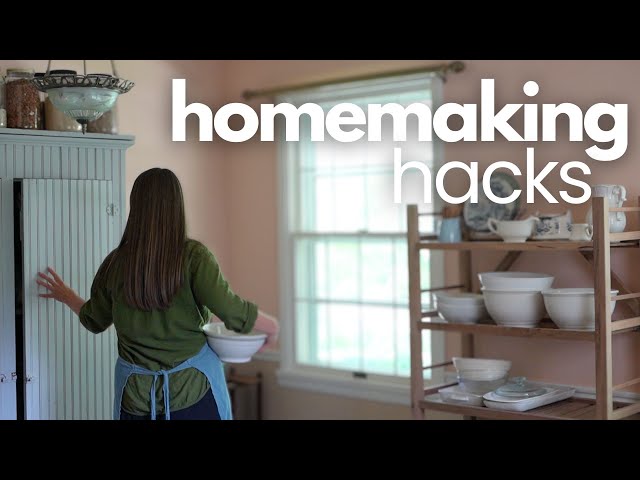
Homemaking Hacks: How Domestic Services Revolutionize Your Daily Routine
Section 2: Modern Technology and Smart Domestic Services
Technology in homemaking has moved far beyond vacuum cleaners and microwaves. The rise of smart homes and AI-powered domestic services has changed the way households operate.
Key Smart Home Innovations:
| Technology | Function | Benefit |
|---|---|---|
| AI-Powered Cleaning Robots | Automated vacuuming and mopping | Saves time, maintains hygiene effortlessly |
| Smart Thermostats & Climate Control | Adjust temperature and humidity automatically | Energy efficiency and personalized comfort |
| Voice-Activated Assistance | Schedule domestic tasks, set reminders, control lighting | Hands-free efficiency, supports multitasking |
| Smart Pantry & Fridge Systems | Track inventory, suggest recipes, reorder essentials | Reduces food waste, simplifies meal prep |
| Automated Laundry & Ironing Devices | Sensor-driven washing and folding | Consistency in laundry, reduces stress |
Megatrends in 2025 indicate that over 60% of urban households are integrating at least one form of smart domestic service. The combination of AI, IoT, and cloud integration allows homemakers to spend less time on repetitive chores and more on quality interactions.
Section 3: Organization Meets Efficiency
The first step in modern homemaking is organization with purpose. Clutter-free homes not only look visually appealing but also improve daily productivity and mental clarity.
Core Principles of Efficient Home Organization:
-
Zoning Spaces: Assign specific areas for work, relaxation, and social interaction.
-
Minimalism with Personality: Keep surfaces clear but display meaningful décor items.
-
Multi-Functional Furniture: Beds with storage, foldable tables, modular shelving.
-
Routine Maintenance: 15-20 minutes of daily tidying prevents chaos.
According to Home Efficiency Research 2024, homes with structured organization report 50% less stress in inhabitants and 25% faster daily routines, highlighting the real-life benefits of thoughtful domestic management.
Section 4: Sustainable Homemaking — Beyond Green Living
Sustainability has emerged as a core pillar in 2025 homemaking. Modern homemakers are balancing convenience with environmental responsibility.
Strategies for Sustainable Domestic Life:
-
Energy-Efficient Appliances: Refrigerators, dishwashers, and HVAC systems with smart energy usage.
-
Water Conservation Systems: Smart faucets, greywater recycling, and leak sensors.
-
Eco-Friendly Cleaning Products: Biodegradable detergents and reusable cleaning tools.
-
Waste Reduction: Composting, recycling, and smart pantry management to prevent food waste.
Table: Sustainable Practices in Modern Homes (2025)
| Practice | Impact | Cost Consideration | Adoption Rate |
|---|---|---|---|
| Smart Thermostats | Reduces energy use by 20-30% | Medium | 45% of urban households |
| Composting & Waste Sorting | Reduces landfill contribution | Low | 38% households |
| Eco-Friendly Cleaning | Lowers chemical exposure | Low-Medium | 52% households |
| Water-Saving Faucets | Cuts water bills up to 25% | Medium | 41% households |
Sustainable homemaking is not a trend; it is a responsibility intertwined with comfort and efficiency, which today’s smart homes make easy to implement.

Boyfriend and girlfriend cooking together. Husband and wife making delicious food
Section 5: Domestic Services — The Modern Homemaker’s Ally
In addition to personal effort, domestic services have evolved into a professional ecosystem supporting homes.
Popular Modern Services Include:
-
Cleaning Services: AI-assisted and on-demand, scheduled through mobile apps.
-
Laundry & Dry-Cleaning: Subscription-based pickup and delivery.
-
Meal Prep & Catering: Nutritious, diet-specific, and delivered ready to consume.
-
Home Maintenance & Repairs: Smart diagnostics for plumbing, HVAC, and electrical systems.
-
Childcare & Elder Care Assistance: Flexible scheduling, integration with smart home monitoring.
The integration of these services allows homemakers to focus on creative, relational, and managerial aspects rather than mundane daily chores.
Section 6: Trends Shaping Homemaking in 2025
-
Hybrid Living Spaces: Work-from-home environments integrated seamlessly with living spaces.
-
AI-Assisted Personalization: Smart algorithms suggest décor updates, optimize furniture layouts, and track supply needs.
-
Health-Centric Homes: Air purifiers, circadian lighting, ergonomic furniture to improve well-being.
-
Virtual Assistance & Concierge Services: Scheduling, shopping, and reminders managed digitally.
-
Community-Oriented Domestic Design: Spaces designed for social interaction while maintaining privacy and comfort.
Section 7: The Human Touch — Irreplaceable Value
While technology and services enhance efficiency, the human touch remains the soul of homemaking.
-
Personal Rituals: Morning coffee, family dinners, or weekend organization sessions nurture relationships.
-
Cultural Traditions: Homes reflect cultural identity through décor, rituals, and practices.
-
Emotional Aesthetics: Color palettes, textures, and scents that resonate emotionally elevate everyday life.
The most successful 2025 homes are those that blend high-tech efficiency with emotional richness, ensuring residents feel connected, nurtured, and empowered.
Section 8: Preparing for Part 2
In the next part of this article, we will dive deeper into:
-
Practical tools, apps, and gadgets for homemakers in 2025
-
Step-by-step guides for integrating domestic services seamlessly
-
Comparison of service providers and cost-benefit analysis
-
Expert tips for maximizing efficiency without losing emotional quality
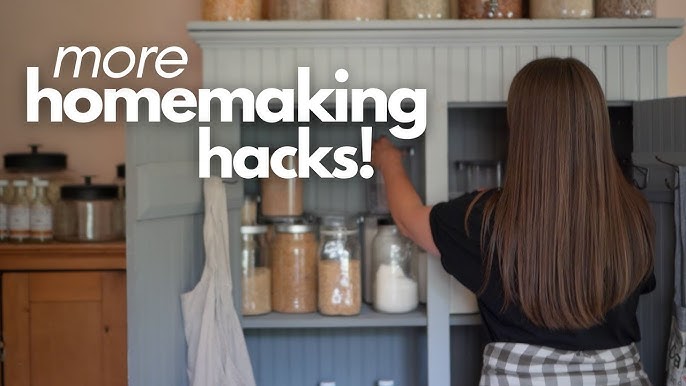
Homemaking Hacks: How Domestic Services Revolutionize Your Daily Routine
Part 2: Tools, Services, and Strategies — The Modern Homemaker’s Playbook
Introduction: Efficiency Meets Creativity
In 2025, homemaking is a dynamic blend of efficiency, creativity, and emotional engagement. While Part 1 explored the philosophy and trends shaping homes, this section provides actionable tools, services, and methods that empower homemakers to manage daily tasks without sacrificing joy or aesthetics.
The goal is simple: maximize productivity, minimize stress, and create a home that supports life and relationships.
Section 1: Essential Digital Tools for Modern Homemaking
Technology continues to redefine what is possible in domestic life. The right digital tools can transform chaotic routines into smooth, organized experiences.
Top Digital Tools in 2025:
| Tool Category | Purpose | Popular Examples | Key Benefit |
|---|---|---|---|
| Task Management Apps | Schedule chores, reminders, routines | Todoist, Notion, Tody | Keeps the home organized and ensures nothing is forgotten |
| Inventory & Shopping Apps | Track groceries, household supplies | PantryCheck, Bring!, AnyList | Prevents overbuying and food waste |
| Smart Home Integration | Centralized control of lighting, climate, security | Google Home, Alexa, SmartThings | Enhances convenience and energy efficiency |
| Meal Planning & Recipe Apps | Customized meal plans and shopping lists | Mealime, Yummly, Paprika | Reduces meal prep stress and promotes healthy eating |
| Cleaning Automation Apps | Schedule and monitor robot cleaners | iRobot Home, Ecovacs Home | Maintains consistent cleanliness without manual effort |
By leveraging these tools, homemakers can delegate repetitive tasks to technology, freeing time for family, self-care, or creative projects.
Section 2: Integrating Domestic Services Seamlessly
Modern homes often rely on professional services to maintain efficiency and quality. The key is integration — ensuring services complement, rather than disrupt, daily life.
Popular Domestic Services:
-
Cleaning & Housekeeping: Daily, weekly, or on-demand services; some integrated with smart cleaning devices.
-
Laundry & Dry-Cleaning: Pickup, delivery, and folding options coordinated through apps.
-
Meal Prep & Catering: Subscription-based or one-off meal deliveries that align with dietary needs.
-
Maintenance & Repairs: Smart diagnostics alert homeowners to HVAC, plumbing, or electrical issues before they escalate.
-
Childcare & Elder Care: Flexible scheduling with monitoring through apps and smart home sensors.
Tips for Seamless Integration:
-
Schedule recurring tasks: Use digital calendars to coordinate service visits.
-
Combine technology and human service: Smart vacuum + weekly cleaning service ensures a spotless home.
-
Track service efficiency: Ratings and reviews help select high-quality providers.
-
Centralize communication: One app to manage all services reduces stress and miscommunication.
Section 3: Organization Hacks for Maximum Productivity
Effective homemaking combines structure and flexibility. These strategies help manage space, time, and household energy efficiently:
-
Zone Your Home: Designate clear areas for work, play, rest, and entertainment.
-
Create “Command Centers”: Centralized spaces for keys, mail, bills, and schedules.
-
Use Modular Storage: Stackable boxes, drawer organizers, and floating shelves optimize small spaces.
-
Daily Micro-Routines: 15–20 minutes of focused tidying prevents clutter accumulation.
-
Seasonal Overhaul: Twice a year, declutter and reorganize rooms based on current needs.
Data Insight: According to the Global Domestic Efficiency Study 2024, households using structured organizational systems report 40% less stress and 30% more free time weekly.

How-To Guides & Inspiration in Home Decor — 🎥
Section 4: The Smart Kitchen — Where Homemaking Shines
The kitchen remains the emotional heart of the home. In 2025, technology and design converge to make cooking, cleaning, and planning effortless:
Smart Kitchen Features:
-
Voice-Controlled Appliances: Microwaves, ovens, and coffee machines respond to voice commands.
-
Inventory Management: Smart fridges track expiration dates, suggest recipes, and automatically reorder staples.
-
Energy-Efficient Cookware: Induction cooktops and smart kettles minimize electricity consumption.
-
Automated Cleaning Systems: Self-cleaning ovens and dishwashers reduce daily chore load.
Pro Tip: Combining these tools with meal-prep services transforms dinner preparation into a stress-free and even enjoyable activity.
Section 5: Cleaning & Maintenance — Beyond Traditional Methods
A clean home is not just aesthetically pleasing; it supports health, mood, and productivity. Modern homemaking leverages both smart devices and professional services for superior results.
Advanced Cleaning Strategies:
-
Robotic Vacuum & Mop Systems: Map rooms, avoid obstacles, and clean on schedule.
-
Air Quality Monitoring: Sensors detect dust, pollen, and allergens, triggering air purifiers automatically.
-
Green Cleaning Products: Biodegradable solutions reduce chemical exposure and environmental impact.
-
Preventive Maintenance: Smart sensors detect leaks or appliance inefficiencies early.
Table: Cleaning Efficiency Comparison 2025
| Method | Time Spent per Week | Effectiveness | Cost | Notes |
|---|---|---|---|---|
| Manual cleaning | 5–7 hours | Moderate | Low | Physically demanding |
| Robot + periodic manual | 2–3 hours | High | Medium | Efficient, flexible |
| Professional service | 1–2 hours | Very High | High | Ideal for busy households |
| Hybrid (robot + service) | 1 hour | Excellent | Medium-High | Optimal balance of cost & convenience |
Section 6: Domestic Technology for Health & Wellbeing
A modern home in 2025 goes beyond aesthetics — it actively supports wellbeing:
-
Circadian Lighting: Adjusts brightness and color to support sleep-wake cycles.
-
Smart Air & Water Filters: Real-time monitoring ensures clean air and drinking water.
-
Ergonomic Furniture: Adjustable desks, chairs, and beds support posture and reduce strain.
-
Stress-Reduction Tools: Meditation apps, ambient sound systems, and smart aromatherapy devices.
Integrating these technologies enhances physical and emotional health, allowing homemakers to create truly nurturing environments.
Section 7: Cost-Effective Homemaking Strategies
Efficiency does not require overspending. Smart homemaking combines technology, services, and organization to optimize both money and time:
-
Bundle Services: Many domestic services offer subscription or bundled packages.
-
Use Energy-Efficient Devices: Reduces long-term utility costs.
-
Plan Meals & Groceries Digitally: Cuts food waste and unnecessary purchases.
-
Repurpose & Declutter: Sell or donate unused items to reduce clutter and generate small income.
-
DIY Smart Hacks: Smart plugs, programmable lighting, and multi-functional furniture often cost less than high-end systems.
Section 8: The Social Dimension of Homemaking
Homemaking is also social and cultural:
-
Hosting gatherings, tea sessions, or small dinner parties strengthens bonds.
-
In 2025, many smart homes use event scheduling apps to coordinate with family and friends.
-
Community-focused domestic services, such as shared cleaning cooperatives or local meal-prep initiatives, foster a sense of belonging.
These dimensions ensure that homemaking is not only efficient but emotionally and socially enriching.
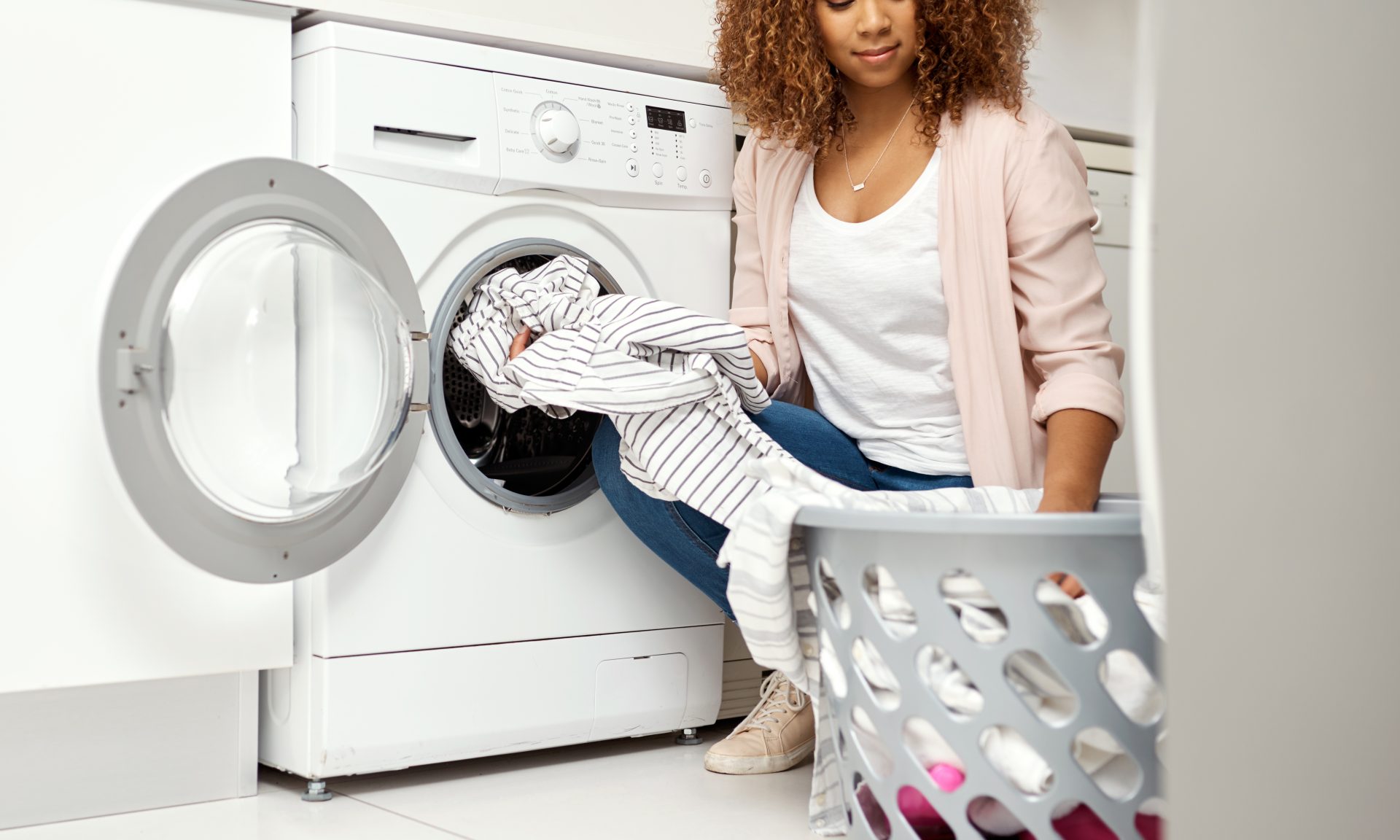
Laundry Day Made Easy: Must-Have Appliances and Hacks for Every Home
Section 9: Preparing for Part 3
In Part 3, we will explore:
-
Expert insights and comparisons of leading domestic service providers
-
Advanced homemaking tips for sustainability, efficiency, and personalization
-
Frequently Asked Questions (FAQ)
-
Final actionable strategies to transform a home into a modern 2025 haven
Part 3: Mastering Homemaking — Expert Insights, Advanced Strategies, and FAQs
Introduction: The Homemaker as a Modern Architect of Life
By 2025, the role of a homemaker transcends traditional chores. Modern homemakers are planners, designers, and managers of domestic life, combining emotional intelligence with technological mastery.
This final section consolidates expert insights, data-driven comparisons, advanced strategies, and practical tips to empower anyone to create a home that is not only efficient and sustainable but also nurturing and personalized.
Section 1: Expert Insights into Modern Homemaking
Top experts in domestic management, interior design, and smart home technology have highlighted key trends shaping 2025:
-
Efficiency Without Compromising Comfort
According to Dr. Helena Vargas, a home management consultant:“A home should never feel like a factory. Efficiency is valuable only if it complements comfort, emotional wellbeing, and personalization.”
-
Integration of Technology and Human Touch
AI and smart home devices are tools, not replacements. Experts recommend balancing automation with personal rituals, such as family dinners, reading time, or creative décor projects. -
Sustainability as a Core Principle
Using energy-efficient appliances, reducing waste, and choosing eco-friendly materials ensures long-term cost savings and environmental impact reduction. -
Continuous Learning in Homemaking
Homemaking skills evolve rapidly. Experts advise staying informed through online courses, domestic blogs, and webinars on smart home technologies and organizational strategies.
Section 2: Comparative Analysis of Domestic Services
Choosing the right domestic service providers can make or break the modern home experience. Here is a comparison of leading 2025 domestic services:
| Service Type | Provider | Strengths | Weaknesses | Ideal For |
|---|---|---|---|---|
| Cleaning & Housekeeping | TidyPro | AI-integrated scheduling, eco-friendly products | Higher cost | Busy urban families |
| Laundry & Dry-Cleaning | FreshFold | Pickup & delivery, subscription discounts | Limited weekend slots | Professionals with tight schedules |
| Meal Prep & Catering | NutriHome | Customizable menus, dietary tracking | Regional availability | Health-conscious households |
| Maintenance & Repairs | SmartFix | Smart sensors + rapid response | Requires smart home integration | Tech-enabled homes |
| Childcare & Elder Care | CareLink | Flexible scheduling, monitoring via app | Privacy concerns | Families needing professional oversight |
Insight: Combining service providers strategically allows cost-efficient, high-quality domestic management without sacrificing personal touch.
Section 3: Advanced Homemaking Strategies
To excel in modern homemaking, experts recommend these advanced strategies:
-
Routine Automation
Integrate smart devices to automate repetitive tasks like lighting, cleaning, and climate control. -
Smart Scheduling
Use digital calendars to coordinate chores, deliveries, and family activities, creating a seamless household rhythm. -
Data-Driven Decisions
Track household metrics such as energy usage, water consumption, and cleaning frequency to optimize efficiency and reduce waste. -
Emotional Zoning
Designate areas for work, relaxation, creativity, and social interaction, enhancing both productivity and mental wellness. -
Personalized Aesthetics
Utilize AI-assisted décor tools or apps to simulate room layouts, color palettes, and furniture arrangements before committing.
Homemaking & Domestic Services
Section 4: Sustainable Homemaking — Beyond Trends
Sustainability is no longer optional; it’s integral. Homemakers are adopting green strategies that support both the environment and long-term household efficiency:
-
Renewable Energy Integration: Solar panels, energy-efficient appliances, and smart grids.
-
Water-Saving Solutions: Automated faucets, leak detection, and rainwater collection.
-
Eco-Friendly Products: Biodegradable cleaners, reusable kitchenware, and organic materials.
-
Minimalist Lifestyle: Prioritize multi-functional furniture, declutter regularly, and recycle responsibly.
Data Insight: Homes adopting these strategies report up to 25% lower utility costs and significant reduction in household waste, according to the 2025 Domestic Sustainability Report.
Section 5: Frequently Asked Questions (FAQ)
1. How can I choose the right domestic service provider?
Evaluate their technology integration, reliability, cost, and alignment with your household needs. Use reviews and trial periods when possible.
2. Are smart home devices really worth the investment?
Yes. They save time, reduce stress, improve energy efficiency, and enhance overall wellbeing.
3. How do I maintain a balance between technology and personal touch?
Integrate smart devices for efficiency but preserve personal rituals, like cooking family meals or decorating rooms with hand-selected items.
4. What are the best tools for household organization?
Task management apps (Todoist, Notion), inventory apps (PantryCheck), and modular storage solutions offer practical support.
5. How can homemaking contribute to mental health?
An organized, aesthetically pleasing home reduces anxiety, improves focus, and creates a nurturing environment for family members.
6. Which sustainable practices provide the highest impact?
Energy-efficient appliances, water-saving systems, and waste reduction through recycling and composting are top priorities.
7. How do I plan my home layout for maximum productivity?
Use zoning for work, relaxation, social interaction, and creativity. Incorporate modular furniture and ensure proper lighting and airflow.
Section 6: Actionable Steps for a Modern Homemaker
-
Audit Your Home: Identify areas needing organization, maintenance, or technological upgrades.
-
Create a Digital Plan: Schedule chores, track supplies, and integrate service providers.
-
Invest in Smart Tools: Start with devices that provide the most convenience and efficiency.
-
Maintain Emotional Balance: Include personalized décor, rituals, and family activities.
-
Implement Sustainable Practices: Reduce energy use, conserve water, and minimize waste.
-
Regularly Review: Reassess tools, services, and strategies every 3–6 months to stay updated.
Section 7: The Human Element — What No Device Can Replace
While technology and services enhance efficiency, the human element is irreplaceable:
-
Emotional Intelligence: Understanding family needs and moods.
-
Creativity: Decorating, meal planning, and creating memorable moments.
-
Flexibility: Adapting routines based on changing circumstances.
-
Care & Empathy: The heart of homemaking is love and attention, which no machine can replicate.
This blend of human insight, strategic tools, and advanced services defines the ultimate modern homemaking experience.
Section 8: The Future Outlook
-
By 2030, homes will increasingly rely on AI-assisted domestic management.
-
Homemaking will be seen as a professional skill, blending organization, sustainability, and emotional leadership.
-
Smart and sustainable practices will no longer be optional; they will be standard for households aiming to maximize quality of life.
Section 9: Conclusion
The evolution of homemaking in 2025 is not just about efficiency — it’s about creating a home that nurtures, inspires, and supports life.
Modern homemakers are architects of their living spaces, balancing technology, domestic services, organization, and emotional intelligence. By implementing strategies outlined in this guide, anyone can transform their home into a smart, sustainable, and deeply human environment.
Your home is more than a place — it’s a living system, an emotional sanctuary, and a platform for thriving life. The tools, services, and strategies shared here empower homemakers to master domestic life in the most modern, intelligent, and human-centered way possible.
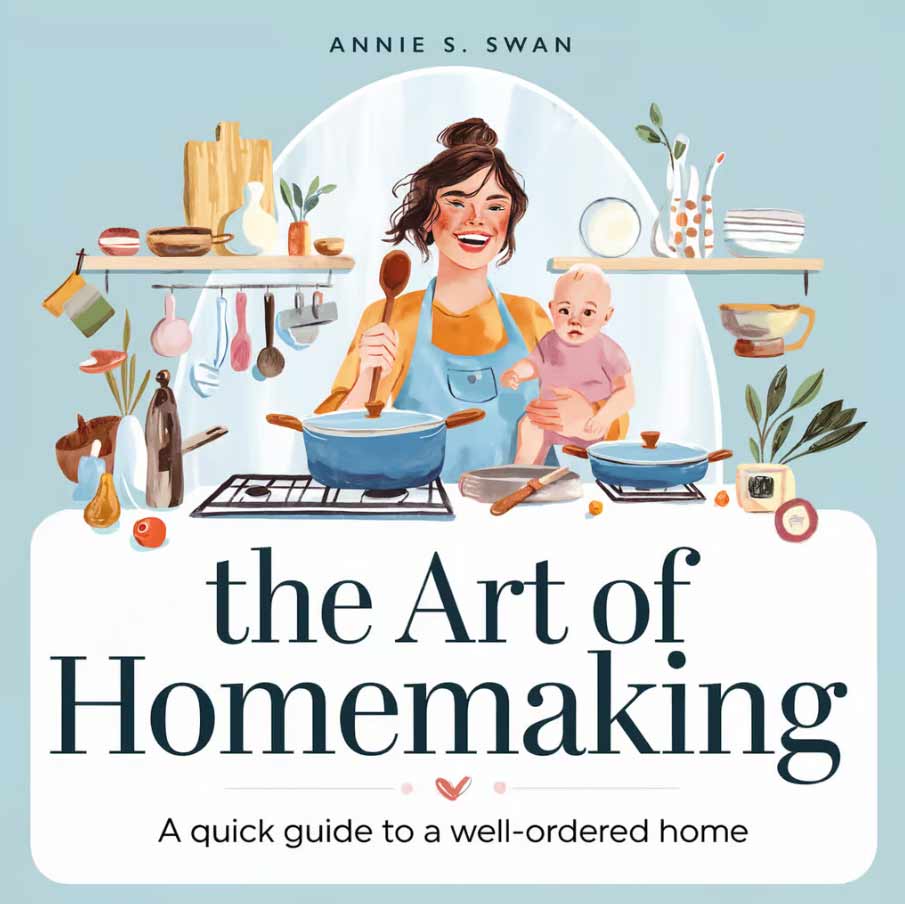
art of Homemaking & Domestic Services