


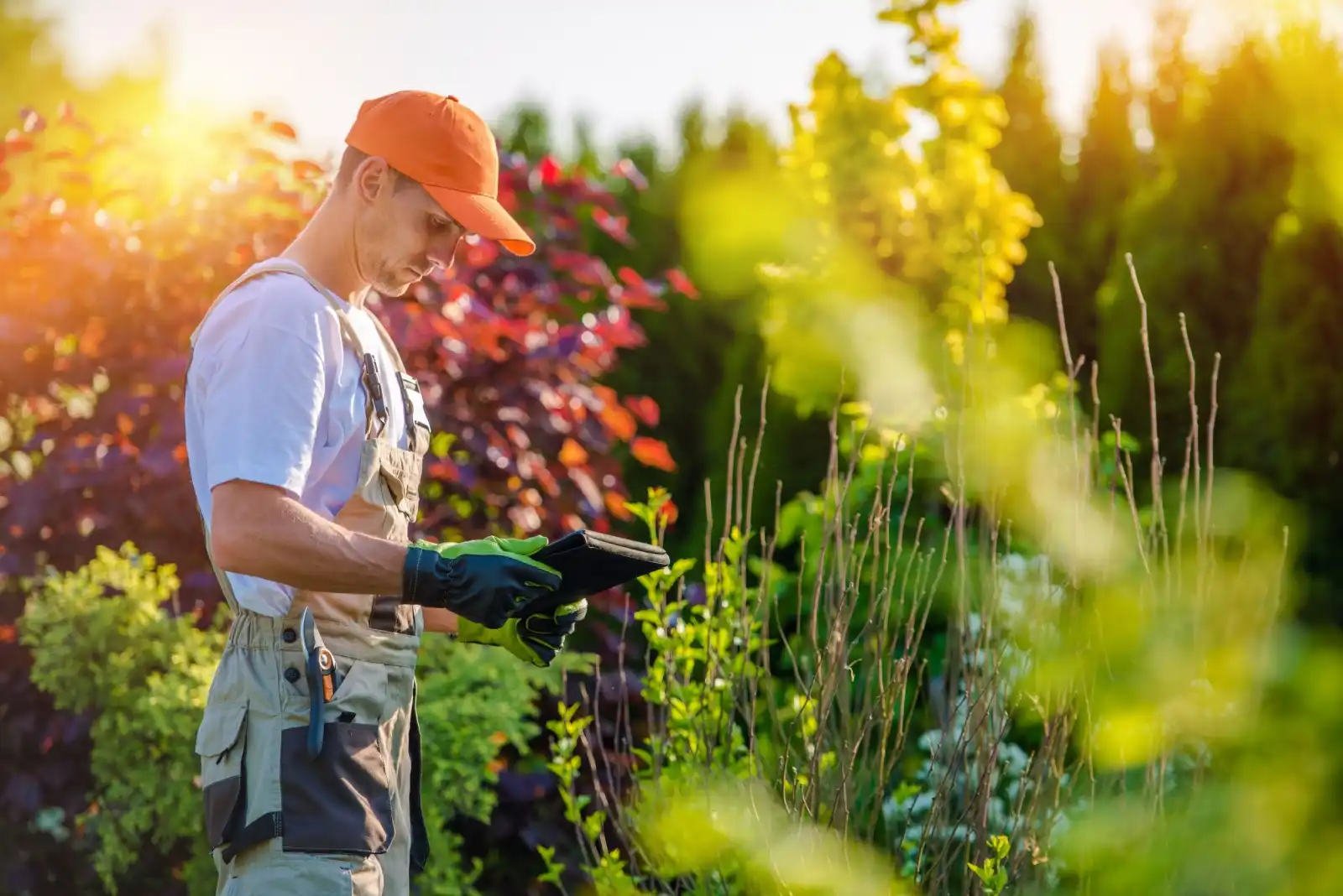
Foundations, Planning, and Modern Gardening Trends
Introduction: Why Your Garden Deserves 2025-Level Design
Imagine stepping into your backyard and feeling like you’ve entered a personal paradise. The plants are vibrant, pathways are elegant, and every corner is thoughtfully designed. This isn’t just about aesthetics—a well-planned garden can improve mental health, increase property value, and create a sustainable environment.
Gardening and landscaping in 2025 are no longer just hobbies—they’re lifestyle statements. With modern trends like vertical gardens, smart irrigation systems, hydroponics, and sustainable landscaping, homeowners can turn any outdoor space into a functional, beautiful, and eco-friendly haven.
In this section, we’ll explore:
-
Essential planning for a perfect garden
-
Modern landscaping trends
-
Smart gardening technologies
-
Choosing the right plants for your environment
1. Planning Your Garden: The Blueprint to Success
Proper planning is the foundation of a stunning garden. Without a clear strategy, even the most beautiful plants can become overwhelming or mismatched.
Key steps for planning:
-
Assess Your Space:
-
Measure the dimensions of your backyard or garden area.
-
Note sun exposure, soil type, drainage, and wind patterns.
-
-
Define Purpose & Style:
-
Do you want a relaxation retreat, entertainment space, or vegetable garden?
-
Choose a style: modern minimalist, tropical, cottage, or Japanese Zen.
-
-
Create Zones:
-
Separate areas for seating, pathways, flower beds, and functional spaces like compost or tool storage.
-
-
Sketch a Layout:
-
Draft a simple map including plant placements, walkways, water features, and furniture.
-
Tip: Use garden planning apps or software in 2025 for precise layouts and visualization before planting.
2. Essential Gardening Tools for 2025
Having the right tools saves time and ensures healthier plants. Modern tools combine traditional utility with smart technology.
| Tool | Purpose | Modern Upgrade/Trend |
|---|---|---|
| Pruning Shears | Trim shrubs, flowers, small branches | Electric or battery-operated shears for efficiency |
| Garden Trowel | Planting bulbs, digging small holes | Ergonomic, lightweight handles |
| Watering Can | Manual watering | Smart watering cans with moisture sensors |
| Hose & Sprinkler | Irrigation | Smart sprinklers with timers and app control |
| Wheelbarrow | Transport soil, plants | Lightweight aluminum, foldable for easy storage |
| Soil Tester | Measure soil pH & nutrients | Digital testers with mobile app integration |
Using modern tools ensures your garden thrives while reducing manual labor. Smart gardening devices are becoming standard in 2025.
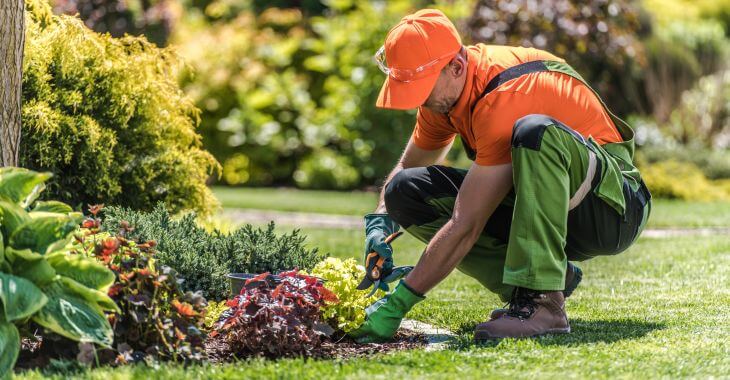
Top Gardening & Landscaping Trends 2025
3. Choosing the Right Plants for Your Climate
Plant selection is critical. A thriving garden balances local flora, climate considerations, and aesthetics.
Categories to consider:
-
Perennials: Long-lasting plants like lavender, hostas, and peonies.
-
Annuals: Fast-growing, seasonal flowers like marigolds, petunias, or impatiens.
-
Shrubs & Trees: Create structure, shade, and privacy (e.g., boxwood, Japanese maple).
-
Vegetables & Herbs: Grow food sustainably with plants like tomatoes, basil, and rosemary.
-
Indoor/Outdoor Hybrid Plants: Use potted palms or ferns to blend indoor and outdoor spaces.
2025 Trend: Vertical gardens allow growing herbs, flowers, or even vegetables in limited spaces using wall-mounted systems.
4. Landscaping Elements: Paths, Features, and Focal Points
Landscaping is more than planting—it’s designing the entire outdoor experience.
-
Pathways: Gravel, flagstone, or modern concrete paths guide movement and add structure.
-
Water Features: Fountains, ponds, or small waterfalls create relaxation and attract wildlife.
-
Lighting: Solar-powered LED lights highlight features and allow nighttime enjoyment.
-
Seating & Furniture: Durable, weather-resistant outdoor furniture enhances comfort.
-
Focal Points: Sculptures, large plants, or decorative stones create visual interest.
Modern trend: Integrated LED lighting and smart fountains can be controlled via apps for dynamic ambiance.
5. Smart Gardening Technologies in 2025
Gardening has entered the era of smart technology, allowing greater efficiency and sustainability.
-
Automated Irrigation Systems: Sensors detect soil moisture and weather conditions, adjusting watering schedules automatically.
-
Smart Plant Monitors: Measure sunlight, soil pH, and temperature, sending alerts to your smartphone.
-
Hydroponic & Aeroponic Systems: Soil-free systems ideal for small spaces or urban gardens.
-
AI Garden Planning Apps: Suggest optimal plant arrangements, companion planting, and growth predictions.
Using technology reduces water waste, ensures healthier plants, and gives you more free time to enjoy your garden.
6. Sustainable Landscaping Practices
Sustainability is no longer optional—it’s a core trend in 2025 gardening.
-
Native Plants: Require less water and are more resistant to local pests.
-
Rainwater Harvesting: Collect and store rainwater for irrigation.
-
Composting: Reuse organic waste to enrich soil naturally.
-
Permeable Surfaces: Reduce runoff and support groundwater recharge.
-
Pollinator-Friendly Plants: Attract bees, butterflies, and birds for a balanced ecosystem.
Sustainable landscaping is not only eco-friendly but also reduces maintenance costs over time.
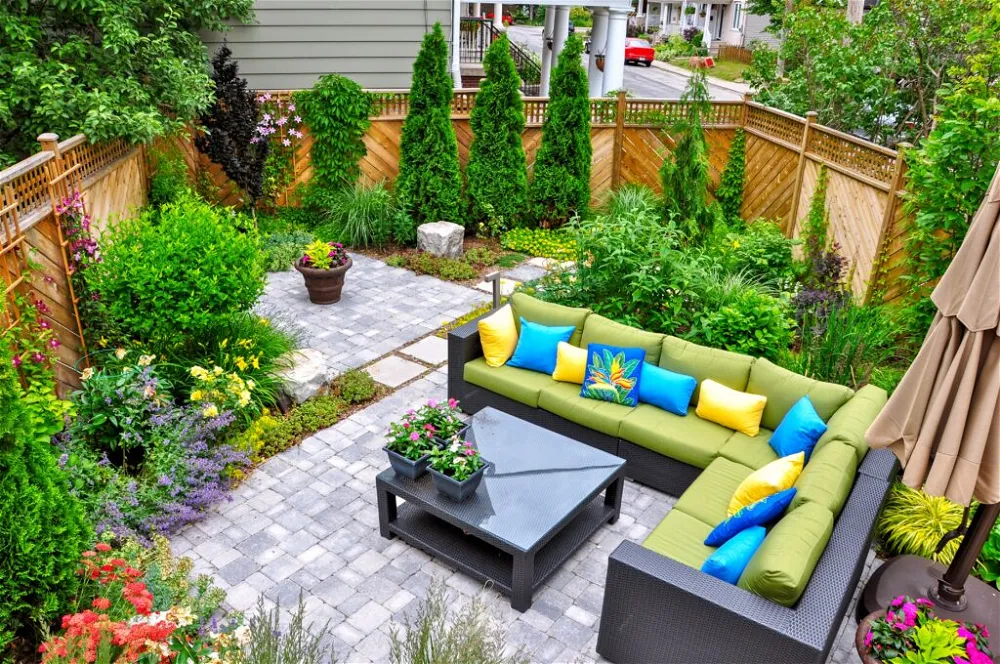
From Backyard to Paradise: Complete Gardening & Landscaping Strategies
7. Seasonal Gardening Guide
Spring: Plant annuals, prepare soil, prune dead branches, and start fertilizing.
Summer: Water smartly, monitor for pests, harvest herbs and vegetables, and enjoy blooms.
Autumn: Prepare garden for winter, plant bulbs for next year, compost leaves.
Winter: Protect sensitive plants, clean tools, and plan next season’s layout.
Planning by season ensures a garden that thrives year-round, keeping your backyard a paradise in every month.
8. Beginner Mistakes to Avoid
-
Overwatering or underwatering plants
-
Ignoring local climate and soil conditions
-
Skipping soil testing and fertilization
-
Using inappropriate tools or poor-quality seeds
-
Neglecting garden design and focal points
Awareness of these mistakes helps new gardeners avoid frustration and achieve a professional-looking garden.
9. Long-Tail SEO Keywords Integration
For your website SEO in 2025, some target long-tail keywords naturally integrated in Part 1:
-
“modern gardening tips for small backyards”
-
“sustainable landscaping ideas 2025”
-
“best plants for vertical gardens”
-
“smart garden technology”
-
“easy landscaping techniques for beginners”
Advanced Landscaping Techniques, Plant Selection, and Modern Design Styles
1. Advanced Landscaping Techniques for 2025
Landscaping isn’t just about planting—it’s about creating a functional, visually appealing, and sustainable space. Advanced techniques allow you to transform any backyard into a modern paradise.
a. Layered Planting (Vertical & Horizontal Layers)
-
Use vertical gardens, trellises, and raised beds to maximize limited space.
-
Create depth by combining ground cover, mid-level shrubs, and taller trees.
-
Benefits: Improves aesthetics, enhances biodiversity, and optimizes sunlight for all plants.
b. Hardscaping Integration
-
Hardscape elements include pathways, retaining walls, patios, and decorative stones.
-
Modern trends: permeable pavers, modular tiles, and natural stone with smart lighting.
-
Advantage: Provides structure, reduces soil erosion, and makes the garden more functional.
c. Water Management & Irrigation Techniques
-
Smart irrigation systems that use sensors, weather forecasts, and timers.
-
Rain gardens and swales to manage runoff and improve drainage.
-
Drip irrigation for precise water delivery, reducing wastage and improving plant health.
d. Garden Microclimates
-
Create microclimates by positioning trees, shrubs, and shade structures to protect sensitive plants.
-
Use windbreaks, pergolas, or reflective surfaces for temperature and moisture control.
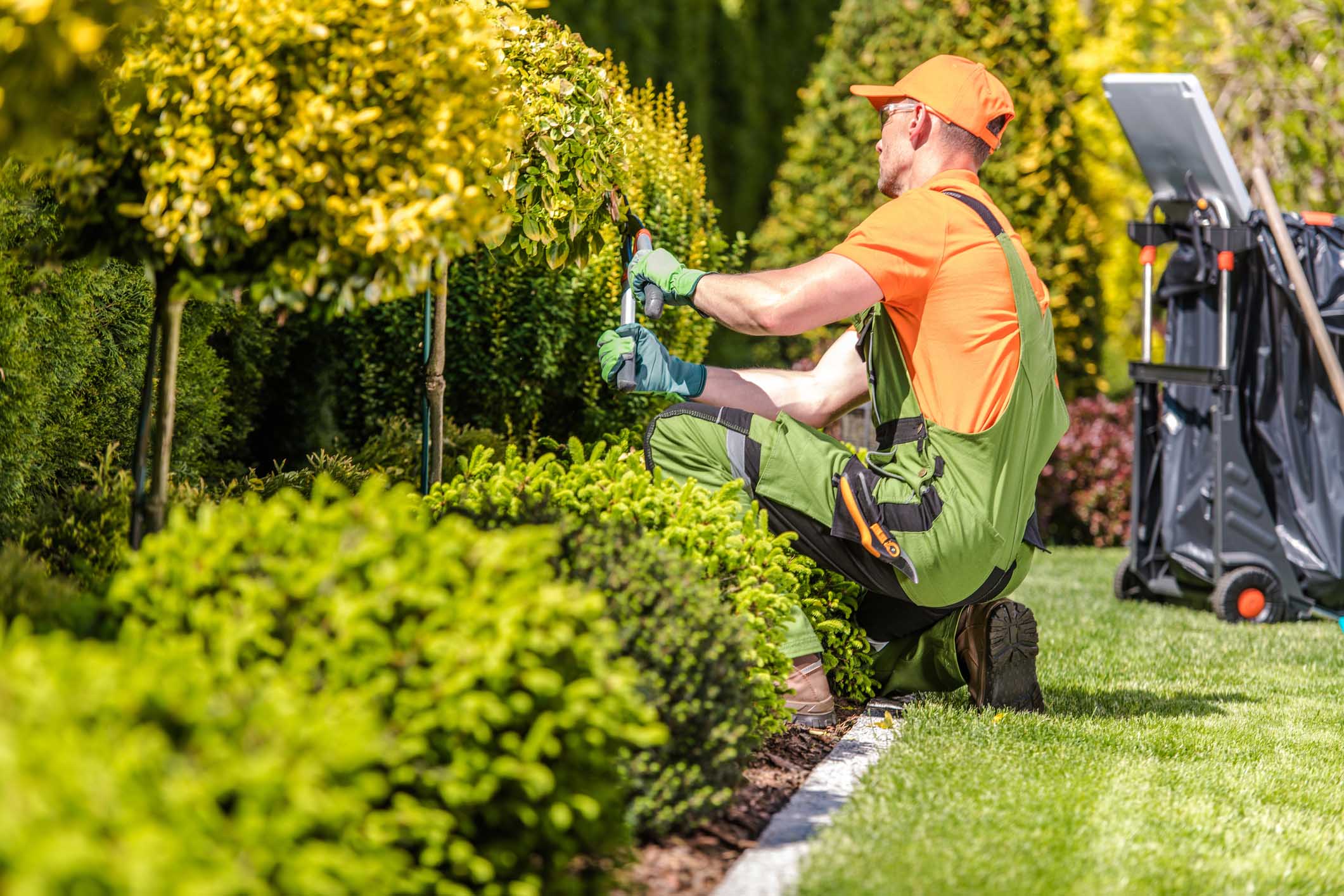
From Backyard to Paradise: Complete Gardening & Landscaping Strategies
2. Plant and Tree Selection for Modern Gardens
Choosing the right plants is critical to your landscaping success. Consider growth rate, climate adaptability, and design goals.
| Plant Type | Example | Ideal Location | Benefits | Maintenance Level |
|---|---|---|---|---|
| Trees | Japanese Maple, Olive, Magnolia | Centerpieces or boundaries | Shade, focal points | Medium |
| Shrubs | Boxwood, Hydrangea, Azalea | Borders, hedges | Privacy, structure | Low-Medium |
| Perennials | Lavender, Hostas, Daylilies | Flower beds | Seasonal blooms, low maintenance | Low |
| Annuals | Petunias, Marigolds, Impatiens | Accent color | Instant color, flexible design | Medium |
| Edible Plants | Basil, Tomato, Rosemary | Raised beds or containers | Fresh produce | Medium |
| Climbers | Jasmine, Wisteria, Ivy | Trellises, walls | Vertical interest, fragrance | Medium |
Pro Tip: Mix native plants with exotic species for sustainability and vibrant designs. Native plants reduce water usage and attract local pollinators.
3. Garden Design Styles in 2025
Modern landscaping embraces a variety of design philosophies. Here are the most popular:
a. Japanese Zen Gardens
-
Features: Gravel, raked patterns, minimalistic plants, bamboo, and water elements.
-
Benefits: Promotes mindfulness, relaxation, and clean aesthetics.
b. Mediterranean Style
-
Features: Olive trees, lavender, terracotta pots, pergolas, and tiled pathways.
-
Benefits: Vibrant, aromatic gardens ideal for sunny climates.
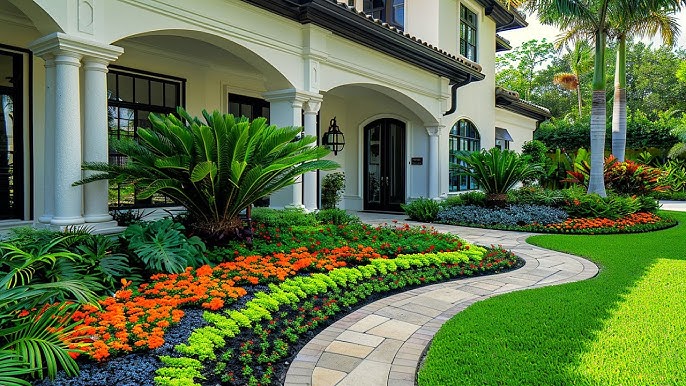
c. Tropical Paradise
-
Features: Large-leaved plants, palms, water features, and colorful flowers.
-
Benefits: Lush, immersive, and dramatic visual impact.
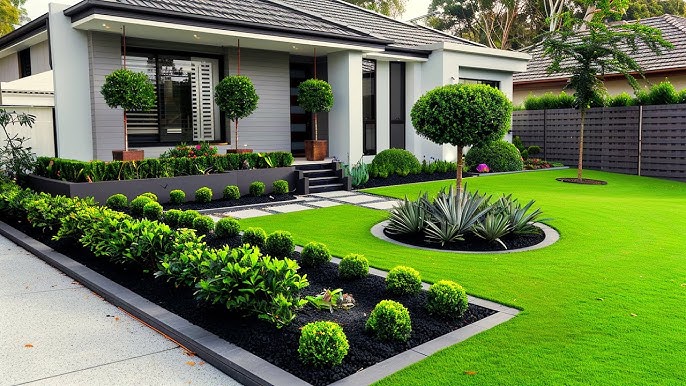
d. Modern Minimalist
-
Features: Geometric layouts, monochromatic plant palettes, clean hardscapes, and integrated lighting.
-
Benefits: Sleek, low-maintenance, ideal for small urban gardens.
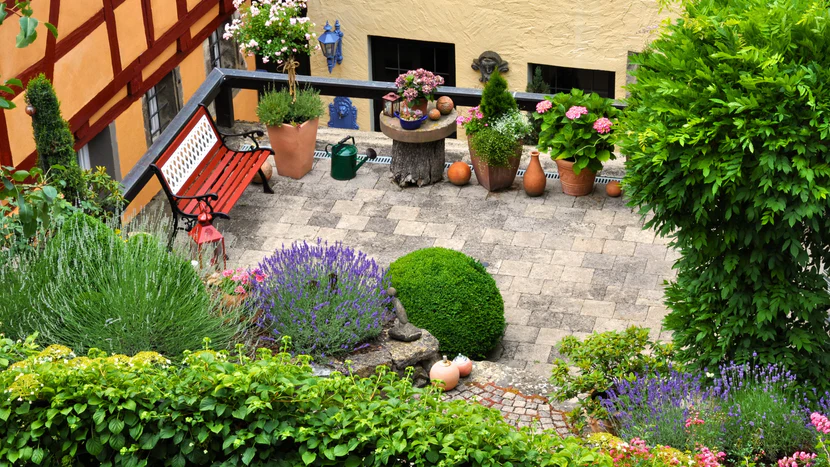
e. Cottage Gardens
-
Features: Dense plantings, vibrant flowers, rustic pathways, and whimsical decor.
-
Benefits: Romantic, natural, and visually layered.
Trend 2025: Hybrid styles are emerging—combining Zen minimalism with tropical accents or Mediterranean plants with modern hardscape.
4. Tools and Equipment Comparison
A professional garden requires high-quality tools. Here’s a detailed table comparing traditional vs modern smart tools:
| Tool | Traditional | Modern/Smart | Benefits |
|---|---|---|---|
| Sprinkler | Manual timer | Wi-Fi connected, app-controlled | Saves water, precise irrigation |
| Pruners | Manual | Electric, rechargeable | Reduces effort, precise cuts |
| Soil Tester | pH strips | Digital multi-sensor | Accurate readings, monitors nutrients |
| Wheelbarrow | Steel | Lightweight aluminum/foldable | Easier transport, storage-friendly |
| Garden Gloves | Cotton | Reinforced, touchscreen-friendly | Protection, comfort, mobile use |
| Garden Lights | Solar standalone | LED with smart timers & color control | Night aesthetics, energy-efficient |
Pro Tip: Integrate smart tools for efficient and sustainable gardening in 2025.
5. Landscaping Trends of 2025
Gardening & Landscaping trends are rapidly evolving. Here’s what’s popular this year:
-
Vertical Gardens & Green Walls – Space-saving, visually stunning, improves air quality.
-
Smart Gardens & IoT Integration – Sensors, automated watering, remote plant monitoring.
-
Sustainable Practices – Rainwater collection, native plants, composting, and eco-friendly materials.
-
Indoor-Outdoor Blending – Potted plants, hybrid furniture, and sliding glass walls integrate home & garden.
-
Pollinator-Friendly Gardens – Supporting bees, butterflies, and birds to maintain ecosystem health.
-
Edible Landscaping – Integrating herbs, vegetables, and fruit trees as decorative elements.
Following these trends ensures your garden is not only beautiful but aligned with global best practices.
cute-seductive-young-girl-sexy-top-with-blue-eyes-posing-green-garden-with-hanging-green-pots-plants-outdoors_120960-1528
6. Soil and Fertilization Techniques
Soil health is the backbone of any successful garden.
-
Soil Testing: Check pH, nutrient content, and texture.
-
Fertilization: Use organic fertilizers like compost, manure, or liquid plant feeds.
-
Mulching: Retains moisture, suppresses weeds, and improves soil fertility.
-
Crop Rotation (for edible gardens): Prevents nutrient depletion and disease.
Tip: Smart soil sensors provide real-time data for precise fertilization.
7. Outdoor Lighting & Ambiance
Lighting transforms a garden at night, enhancing aesthetics and usability:
-
Pathway Lights: Solar-powered LEDs guide movement.
-
Accent Lighting: Highlights focal points like sculptures or trees.
-
Ambient Lighting: Soft glows near seating areas for relaxation.
-
Smart Control: App-controlled brightness and color changes for mood adjustments.
Nighttime landscaping is a growing trend for entertainment and relaxation spaces.
8. Water Features and Irrigation Design
Water features are central to modern gardens:
-
Fountains & Ponds: Add tranquility and attract wildlife.
-
Rainwater Harvesting: Collects and stores rainwater for irrigation.
-
Drip Irrigation: Directly waters roots, reduces water waste.
-
Smart Water Timers: Adjust watering based on weather forecasts.
Integrating water features with smart irrigation systems maximizes efficiency and beauty.
heaven gardens in your house
9. Landscaping for Different Property Types
| Property Type | Landscaping Focus | Tips |
|---|---|---|
| Small Urban Backyard | Vertical gardens, compact furniture | Use multi-functional elements, reflective surfaces to enhance space |
| Large Residential Garden | Trees, shrubs, themed zones | Create walkways, focal points, and outdoor entertainment areas |
| Rooftop or Terrace Garden | Potted plants, lightweight soil systems | Ensure proper drainage, lightweight containers, vertical planters |
| Commercial Properties | Professional aesthetics, low maintenance | Use native plants, automated watering, professional design |
Properly matching landscaping style to property size and type improves visual appeal and functionality.
10. Long-Tail SEO Keywords for Part 2
-
“modern landscaping ideas 2025”
-
“best plants for small urban gardens”
-
“vertical garden tips and installation”
-
“smart irrigation systems for home gardens”
-
“sustainable backyard landscaping techniques”
DIY Projects, Maintenance, FAQs, and Expert Insights for 2025
1. DIY Garden Projects for a Modern Backyard
Creating your dream garden can be both fun and rewarding. DIY projects add personality while being cost-effective.
a. Raised Garden Beds
-
Perfect for vegetables, herbs, or flowers.
-
Materials: Wood, recycled plastic, or metal.
-
Trend 2025: Modular, stackable beds for space optimization.
b. Vertical Garden Walls
-
Ideal for small spaces or balconies.
-
Plants: Herbs, ferns, succulents.
-
Benefit: Saves space, creates a stunning green feature.
c. DIY Garden Pathways
-
Materials: Gravel, flagstone, wood chips, or recycled pavers.
-
Tip: Use lighting to highlight paths for both aesthetics and safety.
d. Smart Irrigation Setup
-
DIY smart sprinklers or drip irrigation with mobile app integration.
-
Benefits: Saves water, ensures consistent plant care.
e. Container Gardening
-
Use pots, planters, or repurposed containers for herbs, vegetables, or decorative plants.
-
Trend 2025: Self-watering and smart containers for easy maintenance.
f. Outdoor Furniture & Decor
-
Build benches, pergolas, or raised seating areas.
-
Use weather-resistant materials and creative storage solutions.
DIY projects not only enhance functionality but also make your backyard unique and personal.
Stunning Garden
2. Maintenance Schedules for Healthy Gardens
A thriving garden requires structured maintenance. Here’s a seasonal breakdown:
Spring:
-
Prepare soil, fertilize, plant annuals and perennials.
-
Prune dead branches and clean garden beds.
-
Inspect irrigation systems and tools.
Summer:
-
Monitor soil moisture and water smartly.
-
Weed regularly and mulch to retain soil moisture.
-
Harvest herbs, vegetables, and flowers.
Autumn:
-
Plant bulbs for next year.
-
Compost fallen leaves.
-
Protect sensitive plants from early frost.
Winter:
-
Clean and store tools.
-
Protect plants with covers or move pots indoors.
-
Plan next year’s layout and order seeds.
A consistent schedule ensures year-round health and beauty in your garden.
3. Pest Control & Plant Health
Healthy gardens require proactive pest management:
-
Natural Remedies: Neem oil, garlic spray, or companion planting.
-
Beneficial Insects: Ladybugs, bees, and predatory insects maintain ecosystem balance.
-
Disease Prevention: Rotate crops, prune diseased parts, avoid overwatering.
-
Smart Monitoring: IoT devices detect early signs of plant stress, disease, or infestation.
Trend 2025: Eco-friendly pest control reduces chemical use while protecting biodiversity.
4. Landscaping for Small Spaces
Even small gardens can become paradises with the right design:
-
Vertical Gardens: Maximize walls and fences.
-
Multi-Functional Furniture: Storage benches, foldable tables, or modular seating.
-
Compact Water Features: Small fountains or tabletop ponds.
-
Color & Texture: Use vibrant plants and varied textures to create visual depth.
Small gardens benefit from smart planning and 3D visualization tools to optimize every square meter.
5. Outdoor Lighting and Ambiance
Lighting adds charm and usability:
-
Accent Lighting: Highlights focal points like trees, statues, or flower beds.
-
Pathway Lighting: Ensures safety and aesthetic appeal.
-
Ambient Lighting: Soft LED lights for seating or relaxation areas.
-
Smart Control: App-controlled brightness and color changes for mood adjustments.
Modern trend: Solar-powered, app-integrated lighting is energy-efficient and stylish.
the best garden in the world!
6. 2025 Gardening Technology and Smart Solutions
Gardening in 2025 integrates technology for efficiency and beauty:
-
Smart Irrigation & Moisture Sensors: Automatically adjust watering schedules.
-
AI Garden Assistants: Provide planting schedules, pest alerts, and growth monitoring.
-
Hydroponics & Aeroponics: Soil-free systems for vegetables and herbs.
-
Smart Outdoor Furniture: Integrated solar charging for devices.
Smart technology saves time, conserves resources, and ensures a thriving garden effortlessly.
7. Long-Tail SEO Keywords
-
“DIY backyard garden projects 2025”
-
“how to maintain a small urban garden”
-
“smart garden technology for beginners”
-
“eco-friendly landscaping ideas”
-
“year-round garden maintenance guide”
8. Frequently Asked Questions (FAQ)
Q1: How often should I water my garden?
A1: It depends on plant type, soil, and weather. Smart irrigation sensors in 2025 help optimize watering schedules automatically.
Q2: Can I combine edible plants with decorative landscaping?
A2: Absolutely. Edible landscaping integrates vegetables, herbs, and fruits seamlessly into ornamental beds.
Q3: Which plants are best for urban balconies?
A3: Compact perennials, herbs like basil or thyme, succulents, and small flowering plants are ideal.
Q4: How can I reduce garden maintenance time?
A4: Use smart tools, vertical planting, mulching, and low-maintenance native plants.
Q5: Are smart gardening devices expensive?
A5: Prices vary, but most devices are cost-effective considering water savings, efficiency, and plant health benefits.
9. Expert Tips for Transforming Your Backyard
-
Plan before planting: Map zones, pathways, and plant locations.
-
Mix native and exotic plants for sustainability and aesthetic appeal.
-
Use layers—ground cover, shrubs, and trees—for depth and interest.
-
Integrate water features and lighting for ambiance.
-
Incorporate smart technology to monitor, irrigate, and maintain plants.
-
Keep learning: Follow trends, attend workshops, and explore innovative techniques.
By combining design, sustainability, and technology, your backyard becomes a personal paradise in 2025.
10. Conclusion: From Backyard to Paradise
Gardening & landscaping in 2025 are about creativity, sustainability, and smart solutions. From DIY projects to advanced techniques, from small urban spaces to large estates, the modern gardener has tools and technology to create breathtaking spaces.
Key Takeaways:
-
Proper planning is essential for beauty and functionality.
-
Smart tools and technology make gardening more efficient.
-
Sustainable practices protect the environment and reduce costs.
-
DIY projects add personality and creativity.
-
Year-round maintenance ensures a thriving, healthy garden.
With the right strategy, knowledge, and a little inspiration, any backyard can be transformed into a paradise that reflects your personal style, supports nature, and keeps pace with 2025 trends.