


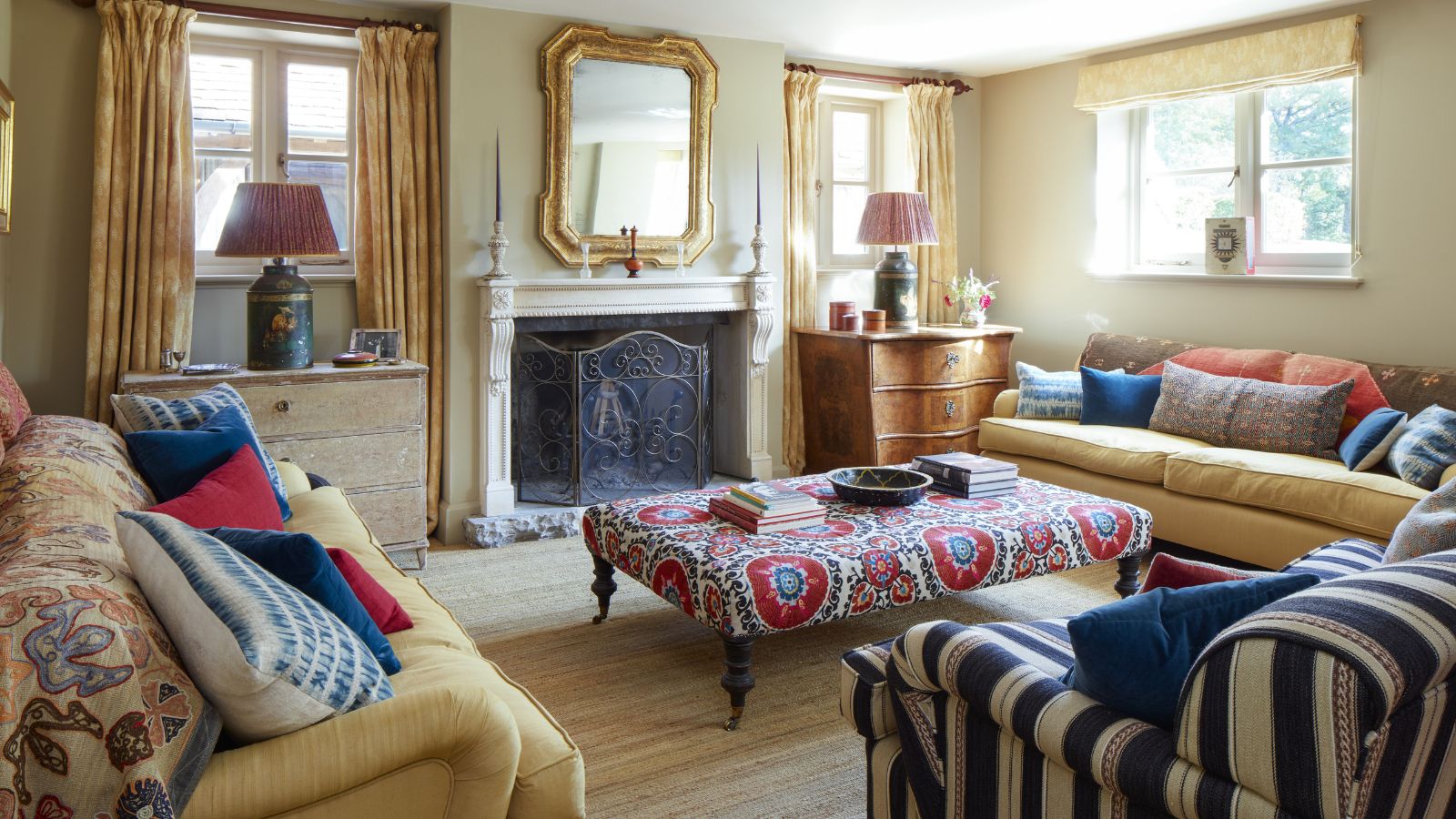
How-To Guides & Inspiration in Home Decor: Transform Your Space with Creativity and Confidence
Introduction: The Art of Turning a House into a Home
Home décor is not merely about furniture or paint colors—it’s an emotional expression of who we are. The way we decorate our spaces reflects our personality, lifestyle, and aspirations. In today’s fast-evolving world, where trends shift rapidly and design inspiration floods social media platforms like Pinterest and Instagram, understanding how to bring creativity and structure together is more essential than ever.
This article is a comprehensive how-to and inspirational guide designed to walk you through the process of transforming your home—from conceptualizing an aesthetic to executing a budget-friendly, timeless design. You’ll explore everything from DIY design hacks and modern color psychology to space planning, sustainability, and cultural décor fusion, ensuring your home not only looks beautiful but also feels deeply personal.
1. Understanding Your Design Identity
Before you start painting walls or buying new furniture, the most crucial step is identifying your design identity—the combination of styles, moods, and materials that best express you.
Ask yourself:
-
Do you prefer clean lines and simplicity, or vibrant textures and patterns?
-
Does your home need to feel calm and minimalist or cozy and layered?
-
What emotions do you want each room to evoke?
Here are some classic design identities that continue to shape the world of home décor in 2025:
| Design Style | Core Features | Perfect For |
|---|---|---|
| Scandinavian | Light wood, white tones, functional minimalism | Small apartments or calm interiors |
| Modern Farmhouse | Rustic wood, soft neutrals, black accents | Family homes or countryside houses |
| Industrial | Metal, concrete, open layouts | Urban lofts and studios |
| Bohemian | Mix of patterns, global textiles, plants | Creative personalities |
| Japandi | Scandinavian + Japanese harmony | Zen-like modern spaces |
2. Setting the Foundation: Mood Boards and Vision Maps
Creating a mood board is the first practical step to align your ideas visually. Whether you use Pinterest, Canva, or physical collages, a mood board helps you visualize how colors, textures, and furniture will harmonize.
Tips for Building a Vision Board:
-
Define Your Color Story: Choose a primary palette (base colors) and accent tones.
-
Gather Visual Inspiration: Collect images that resonate emotionally.
-
Include Material Samples: Wood, fabric, tile, or stone samples bring realism.
-
Add Text Elements: Words like calm, vibrant, elegant, or warm remind you of your emotional direction.
-
Refine It: Remove cluttered ideas until your board feels balanced and clear.
A powerful mood board is not about quantity—it’s about cohesion. Every design decision later will refer back to this foundational guide.
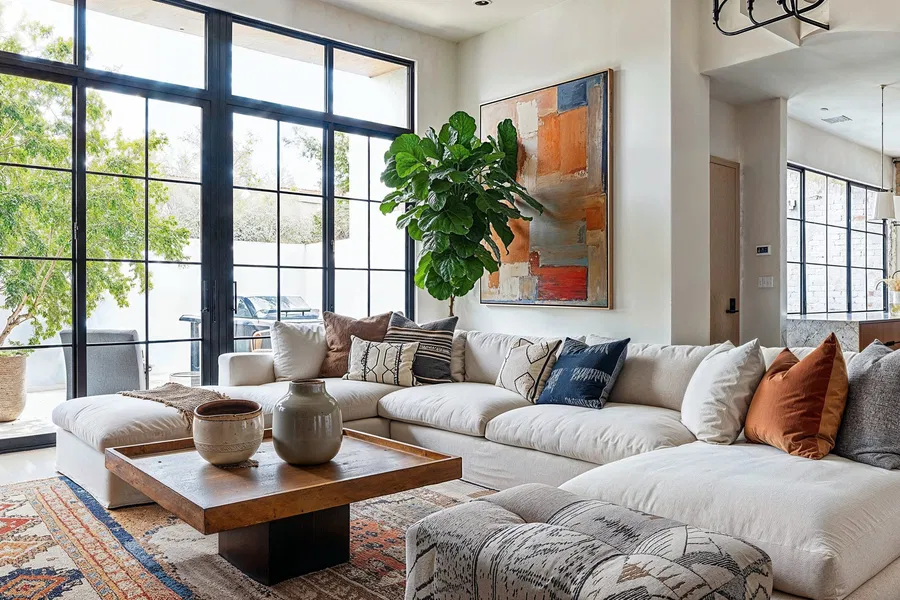
How-To Guides & Inspiration in Home Decor
3. The Science of Color and Emotion
Color psychology remains one of the most underrated yet impactful aspects of home décor. In fact, studies from The Journal of Environmental Psychology (2024) confirm that wall color can influence emotional stability and even sleep quality.
Color Emotion Breakdown:
| Color | Psychological Effect | Ideal Room Placement |
|---|---|---|
| Blue | Calming, promotes focus | Bedrooms, home offices |
| Green | Restorative, connects with nature | Living rooms, bathrooms |
| Yellow | Energizing and joyful | Kitchens, dining rooms |
| Gray | Sophisticated, grounding | Living spaces, hallways |
| Beige/Cream | Comforting and timeless | Bedrooms, nurseries |
| Black | Dramatic, elegant | Accent walls, modern kitchens |
Pro Tip: If you’re designing small spaces, avoid using overly dark tones on all walls. Instead, combine light neutrals with strategic dark accents to add depth without shrinking the room.
4. Furniture Planning: The Backbone of Design
Furniture isn’t just about comfort—it’s the architecture of interior life. Smart furniture planning can make a small apartment feel expansive or a large home feel cohesive.
Step-by-Step Furniture Planning Guide:
-
Measure Everything: Start with the exact dimensions of your space.
-
Identify Focal Points: Fireplaces, large windows, or artwork define layout direction.
-
Choose Scaled Furniture: Oversized furniture in small spaces disrupts flow.
-
Prioritize Functionality: Always balance beauty with practicality.
-
Layer with Texture: Use throws, cushions, rugs, and curtains to create visual richness.
Pro insight: The “Rule of Three” is a golden principle—group items in threes (like three candles, three frames, or three pillows) for a balanced, pleasing composition.
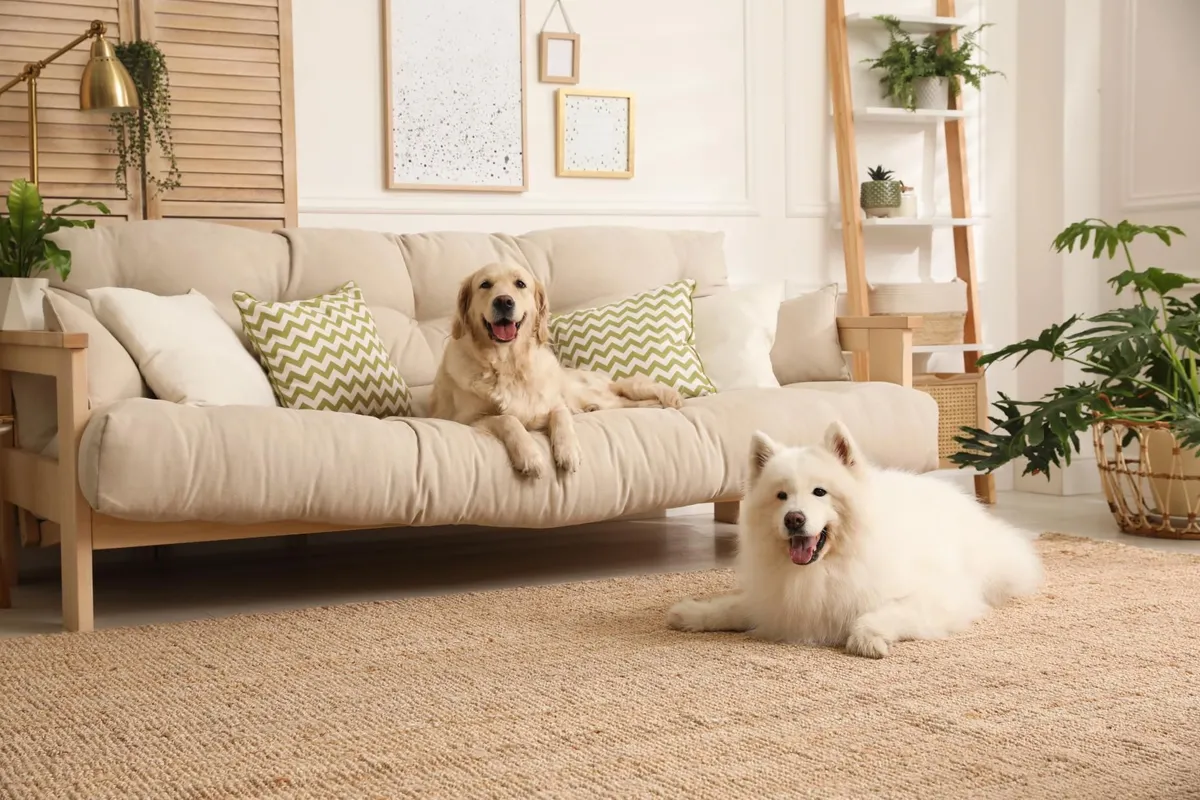
Pet-Friendly Home Design
5. Lighting Design: The Soul of Every Room
Lighting is often called the “invisible art” of home décor. According to 2025 design research by Interior Light Lab (London), lighting affects both mood and perception of space more than any other element.
Three Layers of Lighting:
-
Ambient Lighting: General illumination (ceiling fixtures, recessed lights).
-
Task Lighting: Focused light for work or reading (desk lamps, under-cabinet lights).
-
Accent Lighting: Adds depth and mood (LED strips, sconces, pendant lights).
Lighting Tips by Room:
-
Living Room: Mix warm ceiling lights with side lamps for balance.
-
Kitchen: Use white LED task lighting over counters for clarity.
-
Bedroom: Soft yellow light promotes relaxation and sleep.
-
Bathroom: Mirror lights should replicate natural daylight for makeup or shaving accuracy.
Sustainability Tip: LED bulbs save up to 80% energy compared to traditional bulbs and last 25 times longer.
6. Styling with Texture and Material Contrast
In professional home décor, texture is what brings life to a room. A monochrome room with rich textural contrast (wood, linen, glass, metal) feels dynamic, while a colorful room without texture feels flat.
Popular Material Combinations (2025 Trends):
| Combination | Resulting Feel |
|---|---|
| Velvet + Brass | Luxe and elegant |
| Rattan + Linen | Natural and airy |
| Concrete + Wood | Urban warmth |
| Glass + Metal | Sleek and modern |
| Wool + Leather | Cozy and timeless |
Pro Insight: Always mix at least three textures in every major room to prevent visual monotony.
7. How to Balance Modern and Traditional Elements
A major challenge for homeowners today is blending modern minimalism with traditional warmth. Done wrong, it feels chaotic; done right, it feels timeless.
Blending Strategies:
-
Use modern silhouettes in traditional materials (e.g., oak dining table with minimalist legs).
-
Combine heritage pieces with new décor to tell a story.
-
Keep a neutral backdrop and let statement pieces shine.
-
Avoid cluttering—allow negative space to breathe.
Example:
A vintage Persian rug in a sleek, minimalist living room instantly bridges history and modernity—anchoring the space with authenticity.
8. Sustainable and Eco-Friendly Design Choices
Environmental responsibility has become central to modern home décor. Sustainable design is not only an ethical choice—it’s a long-term investment in quality and health.
Eco-Friendly Home Décor Checklist:
-
Use VOC-free paints to improve indoor air quality.
-
Choose locally sourced furniture to reduce carbon footprint.
-
Upcycle vintage furniture instead of buying new.
-
Integrate indoor plants for natural air purification.
-
Opt for natural fibers (cotton, jute, bamboo) over synthetics.
Did You Know?
According to the Global Green Home Report (2024), 63% of homeowners worldwide now prioritize sustainability when redecorating their homes.
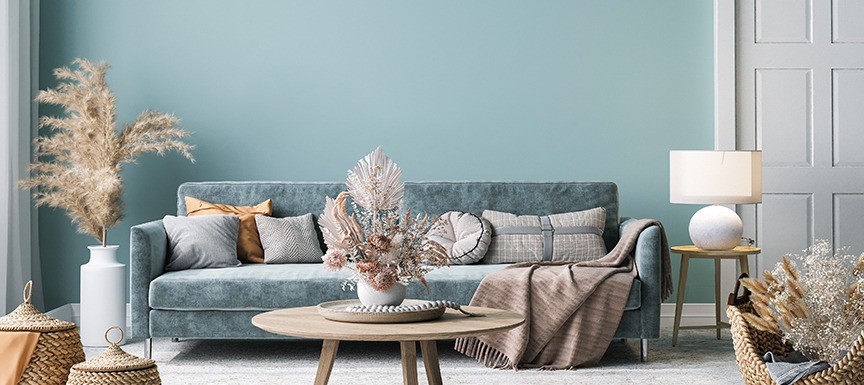
play-mix-and-match-with-home-decor-items
9. Room-by-Room How-To Inspiration
Let’s take a closer look at some practical and inspirational décor strategies for key rooms in your home:
Living Room:
-
Center the layout around a statement piece (sofa or artwork).
-
Mix seating types—sofas, poufs, accent chairs—for versatility.
-
Layer rugs to add comfort and visual interest.
Bedroom:
-
Invest in high-quality bedding—comfort transforms rest.
-
Choose blackout curtains for better sleep.
-
Add a reading nook if space allows.
Kitchen:
-
Use open shelving to display personality through dishes or jars.
-
Combine matte and gloss textures for depth.
-
Incorporate smart lighting—motion sensors and under-shelf LEDs.
Bathroom:
-
Minimalism works best here: less is more.
-
Floating vanities create openness.
-
Use plants like aloe vera or snake plant for freshness.
Outdoor Space:
-
Use string lights and weatherproof furniture.
-
Add natural stone pathways.
-
Create a mini herb garden for beauty and function.
How-To Guides & Inspiration in Home Decor — Part 3
A Complete 2025 Room-by-Room Design Manual, Expert Insights, FAQs, and Final Inspirations
Room-by-Room Design Walkthrough for 2025 Homes
Transforming a home doesn’t mean changing everything—it’s about strategic evolution. Below, we’ll explore each major area of the house and reveal how to make it both beautiful and emotionally intelligent.
The Living Room: The Soul of Connection
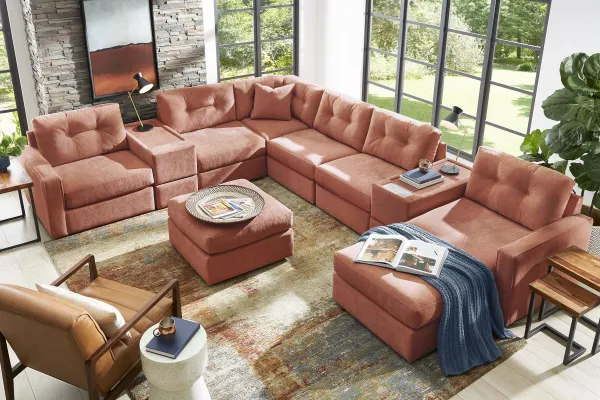
The living room isn’t just a space for watching TV—it’s the emotional heartbeat of the home. It’s where laughter echoes, memories build, and first impressions form.
Steps to Create an Inspiring Living Room:
-
Start with Flow: Keep pathways clear and intuitive. Use rugs to define zones (conversation area, reading corner, etc.).
-
Layer Your Textures: Combine leather, linen, velvet, and wool for depth.
-
Play with Light: Mix natural light with layered sources—floor lamps, pendant lights, and dimmable LED strips.
-
Focal Point: A fireplace, an oversized artwork, or a bold mirror above the mantel draws the eye.
-
Tech Integration: Hide cables and use wireless speakers for minimalist elegance.
Inspiration Link: Visit House Beautiful for visual living room transformations.
A Complete Buying Guide for Every Room in Your Home
The Kitchen: The Theater of Daily Life
In 2025, the kitchen has become both a workspace and a performance stage—a place where design meets utility.
Core Principles:
-
Open Layouts: Encourage flow between kitchen, dining, and living zones.
-
Smart Storage: Pull-out drawers, corner carousels, and hidden shelving keep clutter invisible.
-
Natural Finishes: Stone counters, matte wood cabinetry, and brushed brass handles combine luxury with earthiness.
-
Lighting Strategy: Under-cabinet strips and warm pendant lights create a welcoming glow.
| Kitchen Trend (2025) | Functionality Level | Aesthetic Appeal | Eco-Friendly Score |
|---|---|---|---|
| Induction cooktops | High | Sleek modern | Excellent |
| Hidden appliances | High | Seamless | Medium |
| Smart faucets | Medium | Elegant | High |
| Recycled stone counters | High | Luxurious | Excellent |
Tip: Combine function and feeling—your kitchen should make you want to cook, not just have the ability to.
The Bedroom: A Temple of Tranquility
The bedroom reflects the innermost rhythm of your soul. In 2025, design psychology emphasizes restorative comfort over decorative excess.
Guidelines for Perfect Bedroom Energy:
-
Color Palette: Soft whites, sage greens, and sand tones relax the nervous system.
-
Textures: Layer quilts, linen sheets, and thick rugs for sensory harmony.
-
Declutter: Clarity of space equals clarity of mind.
-
Lighting: Replace harsh overhead lighting with lamps or sconces featuring warm LEDs.
-
Air Quality: Include air-purifying plants like peace lilies or snake plants.
Resource: Sleep Foundation — guides on designing rooms for better rest.
Bathroom: The Wellness Retreat
The modern bathroom is no longer a utility—it’s a personal spa. Every element should contribute to serenity and renewal.
Elements of a Spa-Like Bathroom:
-
Materials: Marble, bamboo, and natural stone invoke peace.
-
Scent: Use essential oil diffusers—lavender for calm, eucalyptus for invigoration.
-
Smart Mirrors: With anti-fog and lighting control features.
-
Storage: Floating vanities maximize space.
-
Ambiance: Play with dimmable lights or candle niches.
| Feature | Purpose | Estimated Cost (USD) |
|---|---|---|
| Rainfall shower system | Luxury & relaxation | $300–$700 |
| Heated flooring | Comfort | $500–$900 |
| Touchless faucet | Hygiene | $150–$250 |
| Organic cotton towels | Sustainability | $50–$100 |
Home Office: Productivity Meets Serenity
Remote work remains a cornerstone of modern living. Designing your home office right can double your efficiency.
Key Components of a Focused Workspace:
-
Ergonomic furniture
-
Acoustic panels or curtains
-
Plants for oxygenation
-
Natural light exposure
-
Minimalist organization
Aesthetic motivation is vital—decorate your workspace with motivational quotes, art, or vision boards that reflect your goals.
Inspiration Source:Architectural Digest — “Work-from-home office trends 2025.”
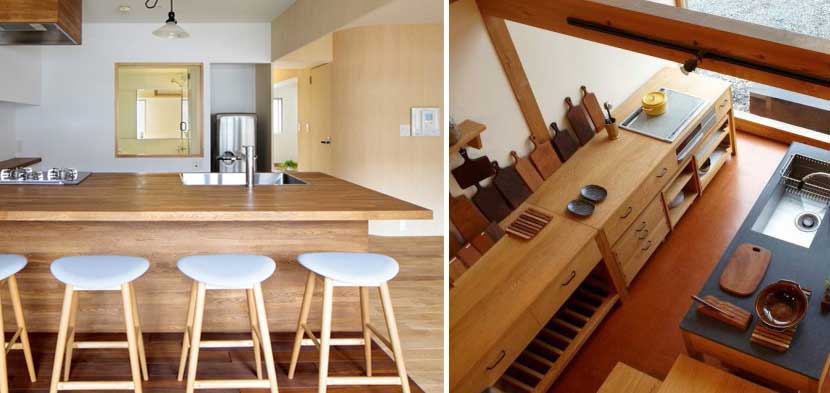
wood-as-main-material-in-influential-japanese-kitchens
Outdoor Spaces: Breathing Room for the Soul
Your balcony, patio, or garden is an extension of your inner sanctuary.
2025 trends lean toward “slow living outdoors”—spaces for reflection, relaxation, and quiet gatherings.
Ideas:
-
Add a vertical garden with herbs and flowers.
-
Use string lights or solar lanterns for evening ambiance.
-
Incorporate modular outdoor furniture for flexibility.
-
Create a reading corner with shade and cushions.
Pro Tip: Add a small water element like a fountain—the sound of trickling water subconsciously calms anxiety.
Budgeting for a Home Makeover (Without Breaking the Bank)
A beautiful home doesn’t have to cost a fortune—it requires clarity, planning, and prioritization.
| Budget Range (USD) | Design Goal | Recommendation |
|---|---|---|
| $500–$2,000 | Small upgrades | Paint, lighting, textiles |
| $2,000–$10,000 | Medium renovation | Furniture replacement, flooring |
| $10,000–$30,000 | Major transformation | Kitchen/bath remodel |
| $30,000+ | Full home redesign | Structural and aesthetic overhaul |
Steps to Stay Financially Smart:
-
Set your must-have and nice-to-have lists.
-
Compare online prices—use platforms like Wayfair and Overstock.
-
Mix investment pieces with affordable finds.
-
Reuse or upcycle where possible.
-
Always leave a 10% contingency budget for surprises.
Home Decor FAQs (2025 Edition)
Q1: How do I choose a decor style that fits me?
Start by analyzing your lifestyle—if you crave calm, lean minimalist; if you love storytelling, embrace eclecticism. Combine aesthetics that reflect your energy, not trends.
Q2: What’s the easiest way to make a space feel bigger?
Use mirrors strategically, paint walls in light tones, and select furniture with legs (to expose floor space).
Q3: How can I keep my home trendy without constant redesign?
Adopt a timeless base (neutral colors, high-quality materials) and rotate small accents—pillows, art, or lighting fixtures.
Q4: Which color combinations work best in small rooms?
Soft neutrals with a single bold accent—like white with emerald green or blush with charcoal—expand perception.
Q5: How do I make my home eco-friendly?
Focus on energy efficiency, sustainable materials, and avoiding disposables. Smart thermostats and LED lighting are a great start.
Philosophy Section — Why, Factors, and How
Why does home decor deeply affect mental health?
Because our environment mirrors our emotional landscape. A well-designed space encourages peace, focus, and joy; clutter and poor lighting, on the other hand, create hidden stress.
Factors of inspiring design:
-
Proportion and balance
-
Emotional resonance
-
Practical comfort
-
Natural connection
Reasons for decor evolution:
Technology, sustainability awareness, and lifestyle shifts post-2020 have made decor not just visual—but experiential.
Guide to starting your own decor transformation:
Begin small. Pick one room, define a mood (calm, joyful, luxurious), and design around that single feeling.
How to maintain decor harmony over time:
Refresh seasonally, declutter quarterly, and realign with your goals annually. The home should grow as you do.
List of timeless design must-haves:
-
Natural light
-
Neutral foundation
-
Comfortable seating
-
Personalized art
-
Greenery
What defines a ‘beautiful home’ today?
A space that looks like you—authentic, imperfect, alive.
Where to draw inspiration from:
Nature, architecture, travel, and personal memories.
When to redesign:
When your home no longer energizes you. That’s your signal for renewal.
Who to consult:
Interior designers, psychologists specializing in design, or even trusted friends who understand your lifestyle.
Conclusion: Turning Inspiration into Reality
Design is not just decoration—it’s self-expression through space. Your home can become a living autobiography if crafted intentionally.
The best interiors aren’t defined by price tags or trends; they’re defined by stories, feelings, and authenticity.
So, whether you’re updating a single room or your entire home—let every object have a soul, every corner a purpose, and every wall a whisper of who you are.
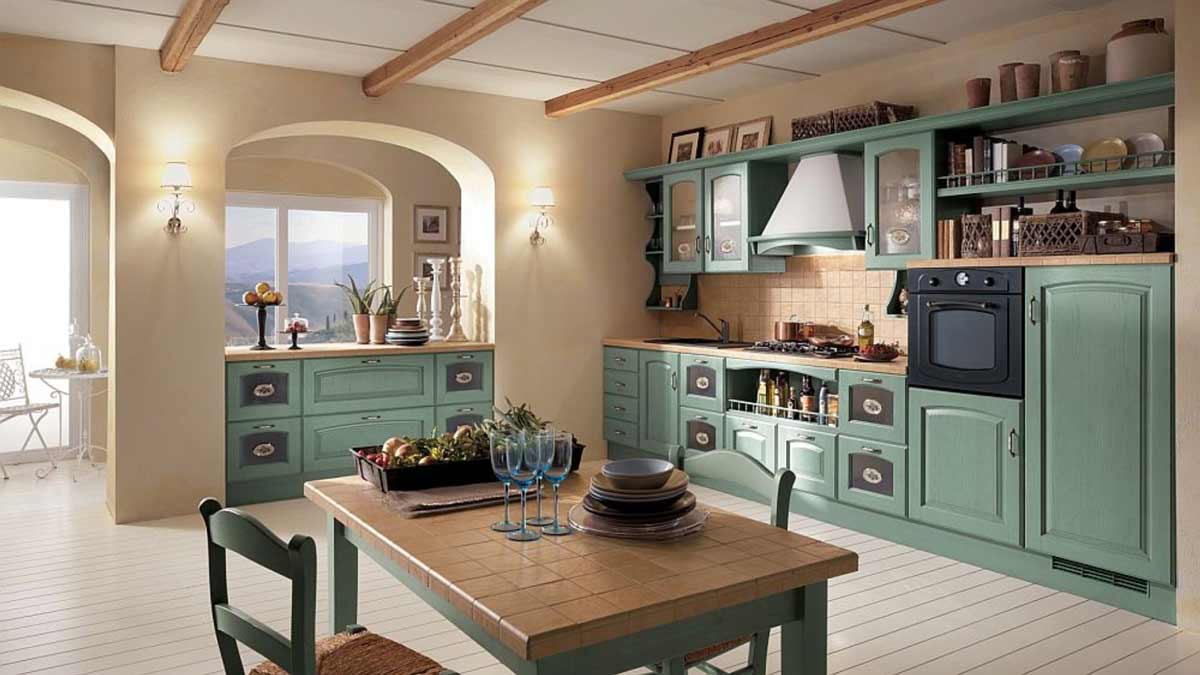
Top Kitchen Designs for 2025