


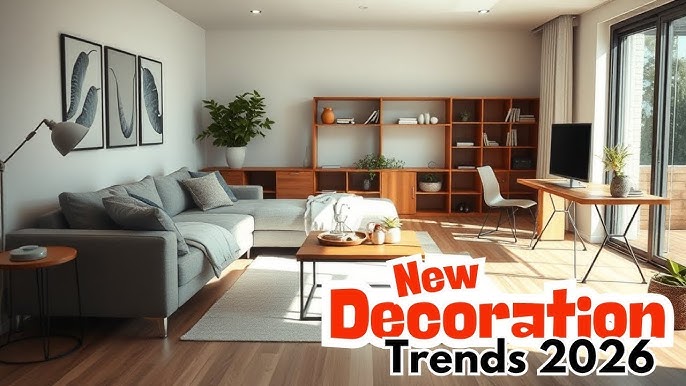
Introduction: The Era of Intentional Design
2026 has ushered in a new age for home décor — one that celebrates individuality, emotional connection, and sustainable design. No longer do homeowners seek mere “decoration”; they crave meaning. The modern home has become a reflection of one’s soul — a sanctuary for creativity, mindfulness, and comfort.
But how do you truly transform a space from ordinary to extraordinary? How can you blend style, functionality, and emotion into a cohesive, livable masterpiece?
This guide dives deep into those answers. You’ll uncover how to visualize your dream home, plan renovations, select décor materials, and execute changes using step-by-step, human-centered design principles. Whether you’re revamping a single room or reinventing your entire house, 2026’s trends and tools will help you design with purpose and live with inspiration.
1. Building the Vision: The Foundation of Every Transformation
Before you pick up a paintbrush or browse through a catalog, you must begin with a clear vision.
Ask yourself:
-
What emotions do I want this room to evoke?
-
Who will use the space, and how?
-
What’s the primary function of this area — relaxation, creativity, productivity, or gathering?
The intention behind each room is the anchor of great design.
In 2026, experts like Studio McGee and Amber Interiors emphasize “emotional zoning” — designing spaces that stimulate distinct feelings and experiences. A bedroom should invite calm. A kitchen should inspire warmth and conversation. A home office should radiate clarity and focus.
Step-by-Step Guide to Building Your Design Vision:
-
Identify the Purpose: List what you want each room to do for you.
-
Collect Inspiration: Use Pinterest, Houzz, or Elle Décor’s 2025–2026 trend boards for moodboards.
-
Choose a Core Emotion: Each space should center around one dominant feeling (serenity, energy, creativity, nostalgia, etc.).
-
Select Your Aesthetic DNA: Are you drawn to Scandinavian calm, Japandi simplicity, or Mediterranean warmth?
-
Visualize Through Sketches or 3D Tools: Tools like Planner 5D, Roomstyler, and Homestyler allow you to render spaces before you invest.
When you design around emotion rather than decoration, your home becomes not just stylish — but alive.
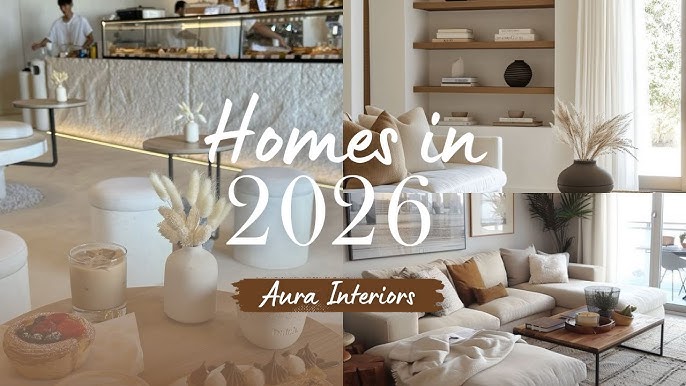
The 2026 Home Décor How-To Guide: Create, Style, Inspire
2. Defining Your Aesthetic Identity
Home décor in 2026 is less about following trends and more about defining your personal narrative. The best designs feel authentically you.
Here’s a quick way to find your design personality:
| Personality Type | Core Design Style | Defining Colors | Key Materials | Mood |
|---|---|---|---|---|
| The Minimalist | Scandinavian / Japandi | Whites, beiges, soft gray | Birch, rattan, linen | Calm & light |
| The Explorer | Boho Chic / Eclectic | Terracotta, sage, gold | Macramé, leather, jute | Free & soulful |
| The Visionary | Modern Industrial | Black, steel gray, brick red | Metal, wood, glass | Bold & driven |
| The Healer | Organic Modern | Olive, sand, clay | Bamboo, wool, stone | Balanced & natural |
| The Dreamer | Vintage Revival | Mustard, navy, walnut | Velvet, brass, lace | Romantic & nostalgic |
If you resonate with more than one style, that’s perfectly normal — hybrid styles like Japandi-Industrial or Boho-Minimalist are among 2026’s hottest fusions. The goal is harmony, not rigidity.
3. Space Planning Like a Designer
Interior design isn’t just about what you see — it’s about how it feels to move through it.
Professional designers follow the Flow & Function Principle — ensuring every element has a purpose and relationship with the rest of the room.
Step-by-Step Layout Planning:
-
Measure Everything: Use apps like Magicplan or RoomScan Pro to create a digital floor plan.
-
Define Focal Points: Choose one feature per room to draw attention (e.g., a fireplace, art piece, or window view).
-
Follow the Rule of Balance: For every bold element (e.g., dark wall or large furniture), add visual calm elsewhere.
-
Ensure Walkability: Maintain at least 36 inches of space in main pathways.
-
Plan Lighting Zones: Divide your lighting into ambient, task, and accent.
👉 Pro Tip: Check Architectural Digest for room layout inspirations and expert examples from 2025–2026 projects.
4. The Power of Color Psychology
Color doesn’t just change your space — it changes your energy.
2026 Color Forecast Highlights:
-
“Digital Lavender” — calming yet futuristic; perfect for meditation rooms.
-
“Warm Clay” — earthy sophistication for living areas.
-
“Ocean Whisper Blue” — serenity in bathrooms and bedrooms.
-
“Soft Sage” — green with grounding energy; trending in kitchens.
How to Choose the Right Palette:
-
Pick one dominant tone (70%), one secondary (20%), and one accent (10%).
-
Test colors on small wall sections before painting.
-
Observe lighting: Natural light changes tones drastically across the day.
-
Align your palette with your emotion goal (calm, vibrant, cozy, etc.).
| Desired Mood | Suggested Color Family | Perfect Accent |
|---|---|---|
| Calm & Focused | Neutrals, Sage, Light Blue | Olive or Charcoal |
| Energetic & Bold | Coral, Mustard, Navy | Gold or Teal |
| Cozy & Warm | Terracotta, Cream, Mocha | Walnut or Bronze |
For professional insights, visit Benjamin Moore’s 2026 Palette Forecast — their guides align perfectly with the emotional décor trends dominating this year.
5. Material Selection: Where Texture Meets Emotion
A beautiful room engages all senses. The materials you choose — from flooring to textiles — determine the tactile comfort and longevity of your design.
Top Trending Materials for 2026:
-
Eco-Luxe Woods: Bamboo, reclaimed oak, and ash are both stylish and sustainable.
-
Stone Revival: Travertine and soapstone dominate countertops and accent walls.
-
Linen & Organic Cotton: Soft, breathable, and timeless fabrics.
-
Metal Accents: Brushed brass and matte black hardware for contrast.
Step-by-Step Guide for Material Harmony:
-
Choose one primary texture (e.g., smooth wood).
-
Add a complementary texture (e.g., linen or metal).
-
Repeat textures across the space to maintain visual consistency.
-
Avoid material overload — aim for 3–4 main finishes max.
Visit Houzz to explore thousands of updated 2026 material combinations and expert opinions.
6. Lighting Design: The Silent Mood Setter
Lighting defines ambiance more than furniture ever can. A poorly lit room feels dull even if it’s well-decorated.
2026 Lighting Trends:
-
Smart Ambience Systems: Use Philips Hue or Nanoleaf Lines for mood-responsive lighting.
-
Layered Illumination: Combine ceiling lights with wall sconces and floor lamps.
-
Sculptural Fixtures: Statement pendants are the new focal art pieces.
-
Hidden LEDs: Under-cabinet and recessed lighting add modern sophistication.
Lighting Plan Breakdown:
| Type | Function | Example |
|---|---|---|
| Ambient | General brightness | Ceiling lights, chandeliers |
| Task | Focused work lighting | Desk lamps, vanity lights |
| Accent | Artistic or emotional lighting | Wall sconces, LED strips |
A rule of thumb: Use 3 layers of light in every room for depth and balance.
7. Furniture Planning: Function Meets Form
2026’s furniture design celebrates versatility, sustainability, and comfort. The age of “aesthetic-only” furniture is over — homeowners now demand adaptability.
Trends to Embrace:
-
Modular Sofas: Reconfigurable pieces like those from Burrow and IKEA UPPLAND.
-
Space-Saving Designs: Wall beds, folding tables, and multi-purpose storage ottomans.
-
Curved Lines: Softer edges are making a comeback, replacing harsh geometrics.
-
Sustainable Craftsmanship: Ethically sourced materials and durable construction.
Furniture Planning Steps:
-
Measure before you buy — never guess scale.
-
Balance large and small pieces for visual rhythm.
-
Leave breathing space — at least 18″ between furniture clusters.
-
Mix vintage with modern for personality.
For real-life planning visuals, check West Elm and IKEA’s Room Planner.
8. The Art of Layering in Décor
Layering — the combination of color, texture, and accessory — turns a basic room into a lived-in masterpiece.
How to Layer Like a Pro:
-
Start with neutrals as your canvas.
-
Add textiles (rugs, curtains, cushions) in varying patterns.
-
Incorporate greenery for freshness.
-
Mix metals and materials, but keep one element consistent.
-
Use art and mirrors strategically for visual flow.
Example:
-
Living room base — beige linen sofa.
-
Add terracotta pillows, a sage throw, rattan coffee table, and a brass lamp.
-
Finish with a statement artwork tying all tones together.
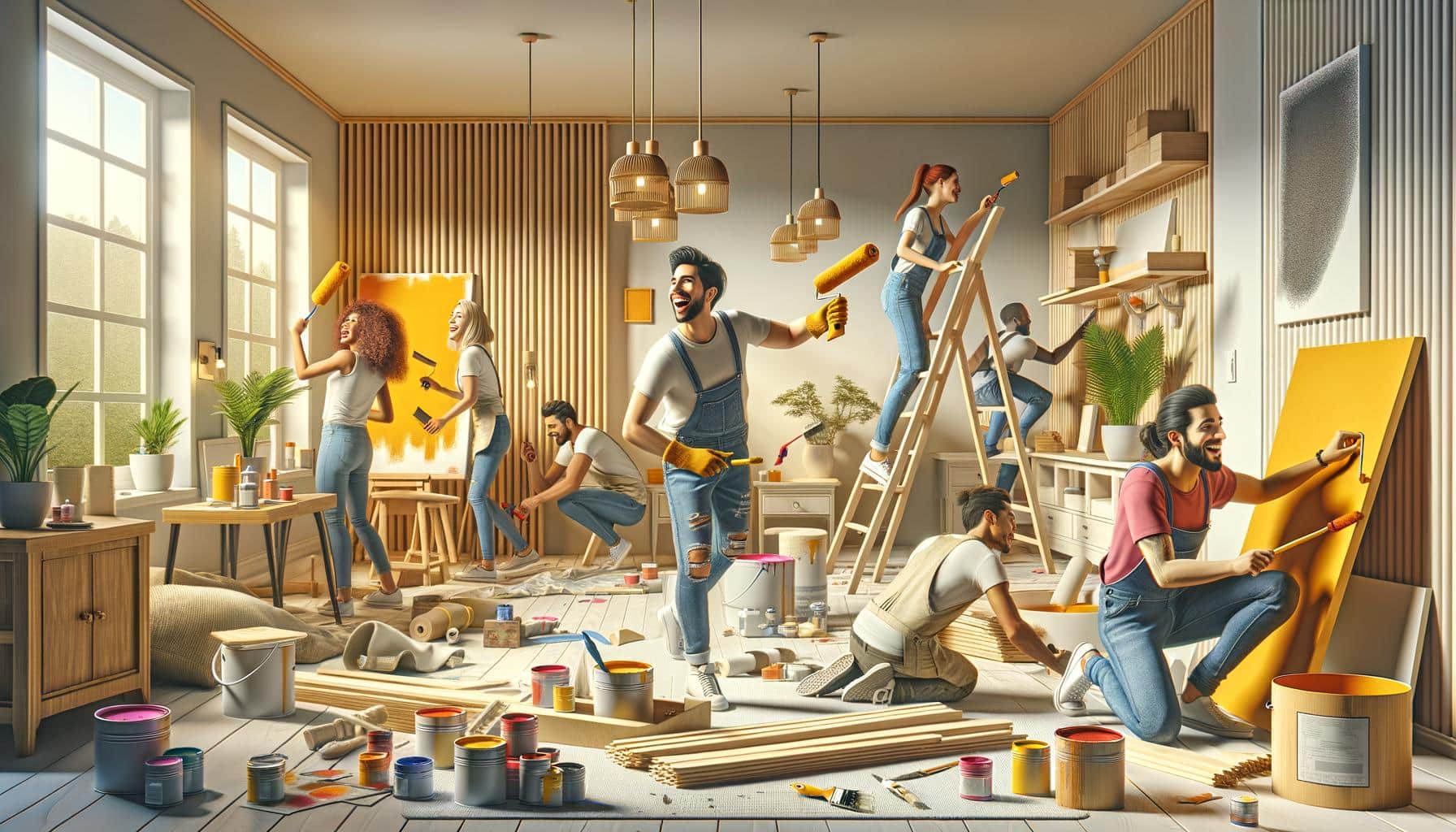
DIY-Home-Renovation_-Transform-Your-Space-on-Your-Own
9. Advanced DIY Techniques: From Beginner to Artisan
Decorating your home isn’t just about shopping — it’s about creating. The most soulful homes in 2026 are filled with personal craftsmanship: handmade wall art, reimagined furniture, custom lighting, and reclaimed materials that tell stories.
Whether you’re a first-time DIYer or a skilled renovator, the key is learning to blend artistry, safety, and strategy.
Step-by-Step DIY Master Plan
-
Start Small, Dream Big: Begin with an achievable project — like repainting a chair or crafting a decorative shelf.
-
Learn Before You Leap: Use YouTube channels like House & Home DIY and Mr. Kate for visual tutorials.
-
Invest in Tools: Quality drills, sanders, and brushes from DeWalt or Bosch make all the difference.
-
Safety First: Gloves, goggles, and masks are not optional. Respect the process.
-
Document Your Journey: Take before-and-after photos — they’ll fuel your inspiration and maybe even your Instagram growth.
10. Wall Art & Statement Features
Walls are no longer just surfaces — they’re storytelling canvases. In 2026, wall design is moving beyond color and texture toward experiential art.
Trending Wall Ideas for 2026
-
Textured Paints: Limewash and Venetian plaster create organic depth.
-
Accent Panels: Use slatted wood, cork, or acoustic felt panels for style and sound balance.
-
Mixed-Media Art Walls: Combine frames, mirrors, and sculptural pieces in gallery layouts.
-
Digital Art Displays: Smart frames like Meural or Samsung The Frame rotate curated artwork daily.
Pro Tip: Keep your statement wall focused — one per room. Overuse of bold features weakens impact.
| Type of Wall | Best Materials | Ideal Rooms | Cost Range (USD) |
|---|---|---|---|
| Textured Paint | Limewash, plaster | Living room, bedroom | $150–400 |
| Wood Paneling | Oak, ash, MDF slats | Office, dining room | $300–700 |
| Wallpaper Accent | Botanical, metallic | Bathroom, entryway | $200–600 |
| Gallery Wall | Frames, canvas | Hallway, living area | $100–300 |
Explore inspiration on House Beautiful for 2025–2026’s most artistic wall transformations.
11. Flooring & Surface Upgrades
Flooring defines the rhythm of your home — every step sets a tone.
2026 Flooring Innovations:
-
Engineered Bamboo: Eco-friendly, durable, and moisture-resistant.
-
Polished Concrete: Minimalist and perfect for smart homes.
-
Reclaimed Wood: Vintage character and sustainability in one.
-
Vinyl 2.0: Hyper-realistic wood and stone visuals with easy installation.
Step-by-Step Guide:
-
Match flooring tone with wall color (contrast creates balance).
-
Use rugs to define functional zones.
-
Choose water-resistant surfaces in high-humidity areas.
-
Maintain consistency — no more than two flooring types per level.
12. Sustainable Design: Eco-Conscious Living for 2026
Sustainability has become the core of modern décor. Today, eco-luxury replaces mass consumption — your home can be stylish and kind to the planet.
Practical Ways to Design Sustainably
-
Use Reclaimed or Locally Sourced Materials.
-
Buy Less, Choose Better: Invest in timeless, durable pieces.
-
Choose Non-Toxic Paints: VOC-free products from Clare Paint or ECOS Paints.
-
Upcycle Old Furniture: Transform outdated dressers or tables with new hardware and finishes.
-
Embrace Natural Light: Maximize daylight to reduce energy consumption.
| Sustainability Metric | Low Impact Option | Long-Term Benefit |
|---|---|---|
| Furniture | Bamboo, reclaimed wood | Durability + less waste |
| Lighting | LED, solar-integrated | Energy efficiency |
| Fabrics | Organic cotton, hemp | Breathable & biodegradable |
| Paint | Low-VOC, water-based | Healthier indoor air |
Discover full guides at Green Building Advisor for the latest eco-living techniques of 2026.
13. Smart Décor Technology Integration
Technology is now the new décor artist. It doesn’t just make life easier — it amplifies the experience of your home.
Smart Tech in 2026 Homes:
-
AI Design Assistants: Tools like Morpholio Board and Canva Home create auto-styled moodboards.
-
AR Room Visualization: Try furniture virtually using IKEA Kreativ or RoomPlan AI.
-
Smart Lighting Scenes: Adjust brightness and color based on mood, voice, or time.
-
Climate Intelligence: Smart thermostats learn your preferences for comfort and efficiency.
How to Integrate Tech Gracefully:
-
Conceal devices — tech should blend, not dominate.
-
Use unified ecosystems (Google Home, Apple HomeKit, or Alexa).
-
Sync décor lighting with music for mood harmony.
-
Keep control panels minimal and hidden.
Visit Smart Home World for current innovations reshaping home décor.
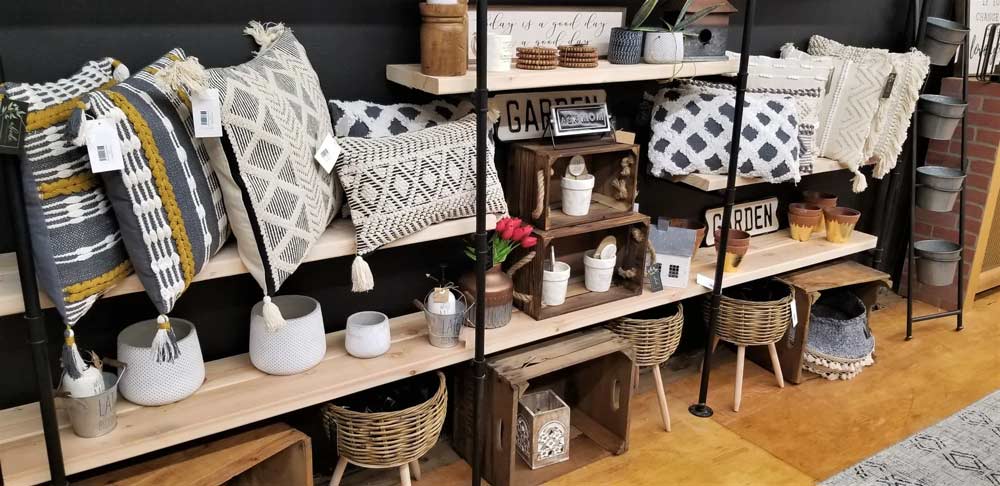
2025 Home Décor Shopping Made Easy: Expert Buying Guides for Every Style
14. The Psychology of Décor & Well-Being
A beautiful home is therapeutic. Research in 2025 from The Journal of Environmental Psychology confirms that personal décor choices can enhance emotional resilience and happiness.
Core Décor Psychology Principles
-
Order Creates Calm: Organized rooms reduce anxiety and mental clutter.
-
Texture Enhances Comfort: Soft fabrics trigger relaxation responses.
-
Nature Nurtures: Plants and natural light elevate serotonin.
-
Personalization Builds Identity: Spaces reflecting your story boost confidence.
To design for mental wellness:
-
Avoid overstimulation — balance visual intensity.
-
Add biophilic elements (plants, water sounds, daylight).
-
Use scents strategically — lavender for calm, citrus for energy.
-
Include personal memories: photos, souvenirs, meaningful art.
15. Styling Techniques: The Designer’s Secret Language
Styling is where good design becomes unforgettable. It’s the art of layering objects, symmetry, and proportion to communicate character.
Designer’s Step-by-Step Styling Formula:
-
Group in Odd Numbers: Trios or quintets feel natural to the eye.
-
Vary Height & Shape: Combine tall, medium, and short objects for rhythm.
-
Mix Old & New: Blend modern accents with heirlooms.
-
Play with Negative Space: Give items room to breathe.
-
Add Life: Always finish with a touch of nature — a plant, flower, or organic texture.
Pro Tip: Use the 60-30-10 rule — 60% dominant tone, 30% secondary, 10% accent. It works for color, material, and accessories alike.
16. Window Treatments: Framing the Soul of Your Home
Windows are the eyes of your house. In 2026, window styling blends aesthetics, light control, and energy efficiency.
Popular Choices:
-
Sheer Linen Drapes: Soft diffusion of daylight.
-
Roman Shades: Tailored sophistication.
-
Motorized Blinds: Smart home integration.
-
Layered Curtains: Combine transparency and depth.
How to Style:
-
Mount curtains higher than the window for added height.
-
Extend rods wider to make windows appear larger.
-
Use thermal linings for insulation and soundproofing.
17. Accessorizing with Intention
Accessories make your décor breathe. In 2026, over-accessorizing is out — intentional placement is in.
Guidelines for Elevated Accessorizing:
-
Choose fewer but higher-quality pieces.
-
Introduce movement — use organic shapes.
-
Add sensory layers (candles, ceramics, books, plants).
-
Use symmetry in formal rooms, asymmetry in casual ones.
-
Rotate décor seasonally to refresh energy.
| Room Type | Ideal Accessory Focus | Must-Avoid Mistake |
|---|---|---|
| Living Room | Art, vases, coffee table books | Overcrowding surfaces |
| Bedroom | Textiles, lamps, mirrors | Too many colors |
| Kitchen | Wooden boards, herbs, bowls | Excess clutter |
| Bathroom | Towels, trays, candles | Plastic containers |
For creative inspiration, explore Domino — their 2026 trends focus heavily on “less but meaningful.”
18. The Flow of Scent and Sound
The invisible design elements — scent and sound — profoundly affect how a home feels.
Scent Styling:
-
Lavender → relaxation
-
Citrus → focus and freshness
-
Sandalwood → grounding warmth
-
Eucalyptus → energy and clarity
Sound Design:
Use smart speakers like Sonos Era 300 to set auditory moods. A calm playlist in the morning, ambient rain at night — your home transforms emotionally.
19. Seasonal Décor Cycles
Great design evolves with the seasons — and 2026’s décor culture celebrates dynamic styling.
Rotate textiles, candles, and color palettes to keep your home aligned with time and mood.
Spring: Fresh greens, linen, and floral art
Summer: Ocean hues, light woods, open air
Autumn: Terracotta, woven textures, warm metals
Winter: Deep blues, velvet, ambient lighting
Store off-season décor neatly in labeled bins — preserving longevity and minimizing clutter.
20. The Inspiration Habit
Inspiration is not a one-time spark — it’s a habit you cultivate.
Designers constantly refresh their vision by exploring new sources and environments.
Daily Inspiration Routine:
-
Follow design leaders like Studio McGee, Sarah Sherman Samuel, Kelly Wearstler on Instagram.
-
Visit showrooms or boutique hotels for fresh layouts.
-
Use Pinterest and Houzz boards to store evolving ideas.
-
Revisit your space quarterly — ask, “Does this still inspire me?”
21. Personalization: The Heartbeat of True Décor
No two homes should ever feel the same — because no two souls are the same. Personalization transforms a house from “a place to live” into “a place that lives with you.”
In 2026, the personalization movement dominates the décor industry. Homeowners are embracing individuality through custom textures, heirloom pieces, DIY art, and emotional storytelling.
How to Personalize Your Home:
-
Tell Your Story: Incorporate objects with meaning — a family heirloom, a travel souvenir, or an artwork that reflects your values.
-
Customize Textiles: Monogrammed towels, embroidered cushions, and handmade throws add uniqueness.
-
Blend Cultures: Mix patterns or materials from your heritage with modern design.
-
Personal Color Codes: Choose accent tones tied to your personality (e.g., navy for confidence, green for peace).
-
Signature Scent: Select one aroma to define your home — it will make it unforgettable.
Personalization is not excess — it’s emotional architecture.
22. Renovating with Precision: From Dream to Reality
Every homeowner eventually faces the renovation decision — the moment of transformation.
A great renovation isn’t about gutting everything. It’s about upgrading meaningfully — with planning, patience, and passion.
Step-by-Step Renovation Guide
-
Assess the Purpose: Why renovate? Function, aesthetics, or energy efficiency?
-
Budget Smart: Always add 15% extra for unforeseen costs.
-
Timeline: Map each phase — demolition, rebuild, finishing.
-
Hire Experts Strategically: Use platforms like Thumbtack or Angi to find verified professionals.
-
Reuse Before You Replace: Restore cabinets, reupholster furniture, refinish floors.
| Renovation Area | Average Cost (USD) | Impact Level | Duration |
|---|---|---|---|
| Kitchen | $8,000–25,000 | ★★★★★ | 3–6 weeks |
| Bathroom | $4,000–15,000 | ★★★★☆ | 2–4 weeks |
| Living Room | $2,000–7,000 | ★★★☆☆ | 1–2 weeks |
| Bedroom | $1,500–6,000 | ★★★☆☆ | 1–2 weeks |
Pro Tip: Always request before-after visualizations through 3D modeling tools before approving a contractor.
For modern renovation advice, see This Old House — their updated 2026 content remains an industry benchmark.
23. Budgeting Like a Design Professional
Home décor doesn’t need to cost a fortune. With mindful budgeting, you can achieve high-end aesthetics at reasonable costs.
Budgeting Framework (The 40-30-20-10 Rule):
-
40%: Furniture (foundation of comfort)
-
30%: Renovation or paint
-
20%: Décor and accessories
-
10%: Emergency / Maintenance
Smart Saving Tactics
-
Mix high-end and affordable brands (e.g., pair IKEA basics with West Elm statement pieces).
-
Repurpose vintage finds.
-
Shop during seasonal sales — Memorial Day, Labor Day, and Black Friday are ideal.
-
Use cashback and home improvement apps like Rakuten or Honey.
Remember — financial mindfulness in décor doesn’t limit creativity; it refines it.
24. The Ultimate Room-by-Room How-To Guide (2026 Edition)
Now we go practical — a structured how-to breakdown for transforming each area of your home in 2026.
Living Room
Goal: Connection & relaxation
Steps:
-
Start with layout flow — anchor the sofa, define zones.
-
Layer rugs for dimension.
-
Mix lighting (floor + accent).
-
Include personal art and scent diffusers.
Bedroom
Goal: Rest & renewal
Steps:
-
Use calm tones — beige, sage, or blue.
-
Invest in luxury bedding (cotton percale or bamboo).
-
Hide clutter — storage under the bed or floating shelves.
-
Keep electronics minimal to protect mental rest.
Kitchen
Goal: Function & warmth
Steps:
-
Prioritize workflow (triangle rule: stove–sink–fridge).
-
Use LED strips under cabinets.
-
Combine open shelving with closed storage.
-
Add natural textures — wooden boards, herbs, woven baskets.
Bathroom
Goal: Calm & refresh
Steps:
-
Choose moisture-resistant materials.
-
Use mirrors to expand light.
-
Add eucalyptus or lavender plants.
-
Store with elegance — trays, jars, and minimal clutter.
Home Office
Goal: Focus & clarity
Steps:
-
Position desk near natural light.
-
Use ergonomic furniture.
-
Add green plants for oxygenation.
-
Keep decorative inspiration nearby (moodboards, quotes).
Outdoor & Patio
Goal: Serenity & social connection
Steps:
-
Invest in weatherproof furniture.
-
Add soft lighting (string lights or lanterns).
-
Use fire pits or small water features.
-
Layer rugs for coziness.
25. Common Décor Mistakes and How to Avoid Them
| Mistake | Why It Hurts | Quick Fix |
|---|---|---|
| Overcrowding rooms | Reduces flow and harmony | Declutter, use breathing space |
| Ignoring scale | Throws balance off | Mix sizes proportionally |
| Poor lighting | Flattens design impact | Layer lights and add dimmers |
| Trend chasing | Short-lived satisfaction | Focus on timeless core |
| Ignoring personality | Makes spaces generic | Add story-driven elements |
Every masterpiece breathes between structure and freedom. Don’t fear imperfection — it’s what makes your home alive.
26. Why Home Décor Reflects Who You Are
Home décor mirrors psychology. How you decorate reveals what you value, avoid, and aspire toward.
When you choose serene tones, it shows peace-seeking.
When you display art boldly, it shows courage.
When you build reading corners, it shows introspection.
Your home is your biography — written not in words, but in textures, light, and feeling.
27. Factors of Successful Home Transformation
Success in décor depends on three aligned factors:
-
Vision: Knowing what you want.
-
Consistency: Carrying your aesthetic through every detail.
-
Adaptability: Evolving with time and lifestyle changes.
Each factor reinforces the others, creating harmony between function and feeling.
28. Reasons Home Décor Enhances Well-Being
-
Improves mood and mental clarity.
-
Strengthens relationships by encouraging connection.
-
Boosts productivity and rest quality.
-
Reflects identity — increasing self-esteem.
-
Creates pride, satisfaction, and emotional stability.
A 2025 Harvard Design and Health Study confirmed that personalized décor reduces anxiety by 31% on average.
29. How to Build Your Own Décor Guide
Be your own designer. Start documenting what works for you:
-
Favorite color schemes
-
Successful layouts
-
Trusted stores and artisans
-
Seasonal design changes
Soon, you’ll have your personal home bible — unique to your story and evolution.
30. The Grand How-To Inspiration Guide: Living as an Artist
Your home is not a project — it’s an ongoing conversation between you and space.
The best designs in 2026 come from people who see their homes as living art.
Follow this rhythm:
-
Observe → Imagine → Experiment → Refine → Enjoy
Make mistakes. Learn. Rebuild. That’s design. That’s growth. That’s life.
FAQ — 2026 Home Décor & Inspiration Edition
Q1: What’s the best way to start decorating on a small budget?
Start with paint, lighting, and decluttering — they bring instant transformation with minimal cost.
Q2: Which color trends dominate 2026?
Soft Sage, Digital Lavender, Warm Clay, and Ocean Whisper Blue are leading this year’s palette.
Q3: How can I make my small home look bigger?
Use light tones, mirrors, and multi-functional furniture. Keep pathways clear and lighting layered.
Q4: Are vintage items still in style?
Yes — 2026 celebrates “Neo-Vintage,” where antique charm meets modern minimalism.
Q5: What are the best décor apps in 2026?
Homestyler, Houzz, Canva Home, IKEA Kreativ, and Morpholio Board.
Q6: How can décor impact mental health?
Through color psychology, organization, and natural materials, décor can reduce stress and promote calmness.
Q7: How to stay updated with design trends?
Follow design magazines like Architectural Digest, House Beautiful, and Domino. Subscribe to YouTube creators specializing in 2025–2026 décor.
Q8: What’s the biggest décor mistake?
Designing for others’ approval instead of your own comfort and joy.
Q9: How to find trustworthy contractors or designers?
Check verified reviews on Angi, Thumbtack, or Houzz Pro. Always request portfolios and references.
Q10: What’s the simplest way to make my home feel luxurious?
High-quality fabrics, ambient lighting, curated accessories, and intentional scents.
Conclusion: Create, Style, Inspire — and Live
Your home is a living symphony — one composed of your choices, your memories, and your evolving identity.
As you move through 2026 and beyond, remember: the truest form of design isn’t perfection — it’s connection. Between you and the space. Between color and mood. Between comfort and creation.
To decorate is to feel, and to feel is to live beautifully.
So take your time. Create, style, inspire — and never stop turning your home into your most extraordinary artwork.
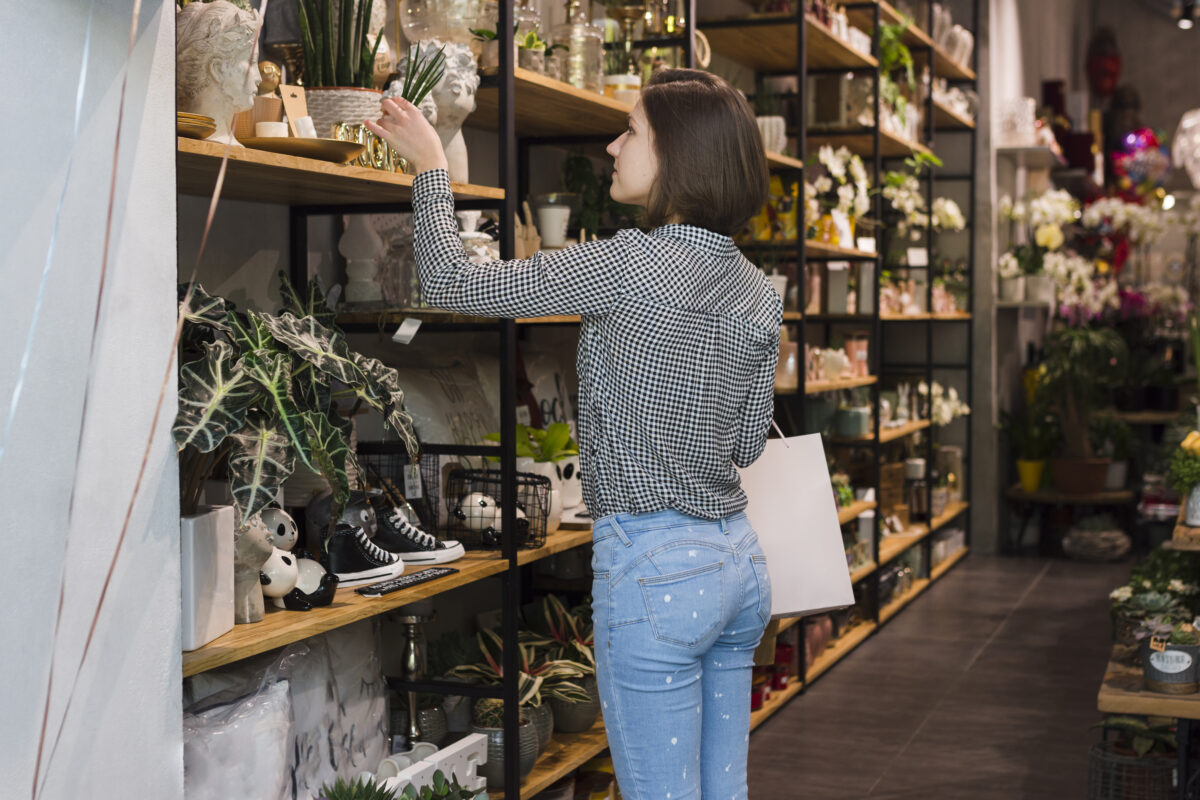
2025 Home Décor Shopping Made Easy: Expert Buying Guides for Every Style